
AI datacenters, fleet electrification, and reshoring are driving electricity demand to levels the grid wasn’t built to handle. At the same time, extreme weather and aging infrastructure are increasing outage risk and volatility in energy costs. Energy has shifted from a back-of-house facilities decision to a C-suite priority tied directly to revenue protection, profitability, and the ability to seize new growth. In this environment, energy strategy is business strategy.
Protecting Revenue with Energy Resiliency
When power fails, revenue stops. In retail, outages translate immediately into lost transactions, spoiled inventory, and customer churn. In manufacturing, even sub-hour disruptions can scrap work-in-progress, damage equipment, and ripple through supply chains for days. Hospitals, logistics hubs, food storage, and data-driven operations face similar exposure—where downtime is not just costly but mission-critical.
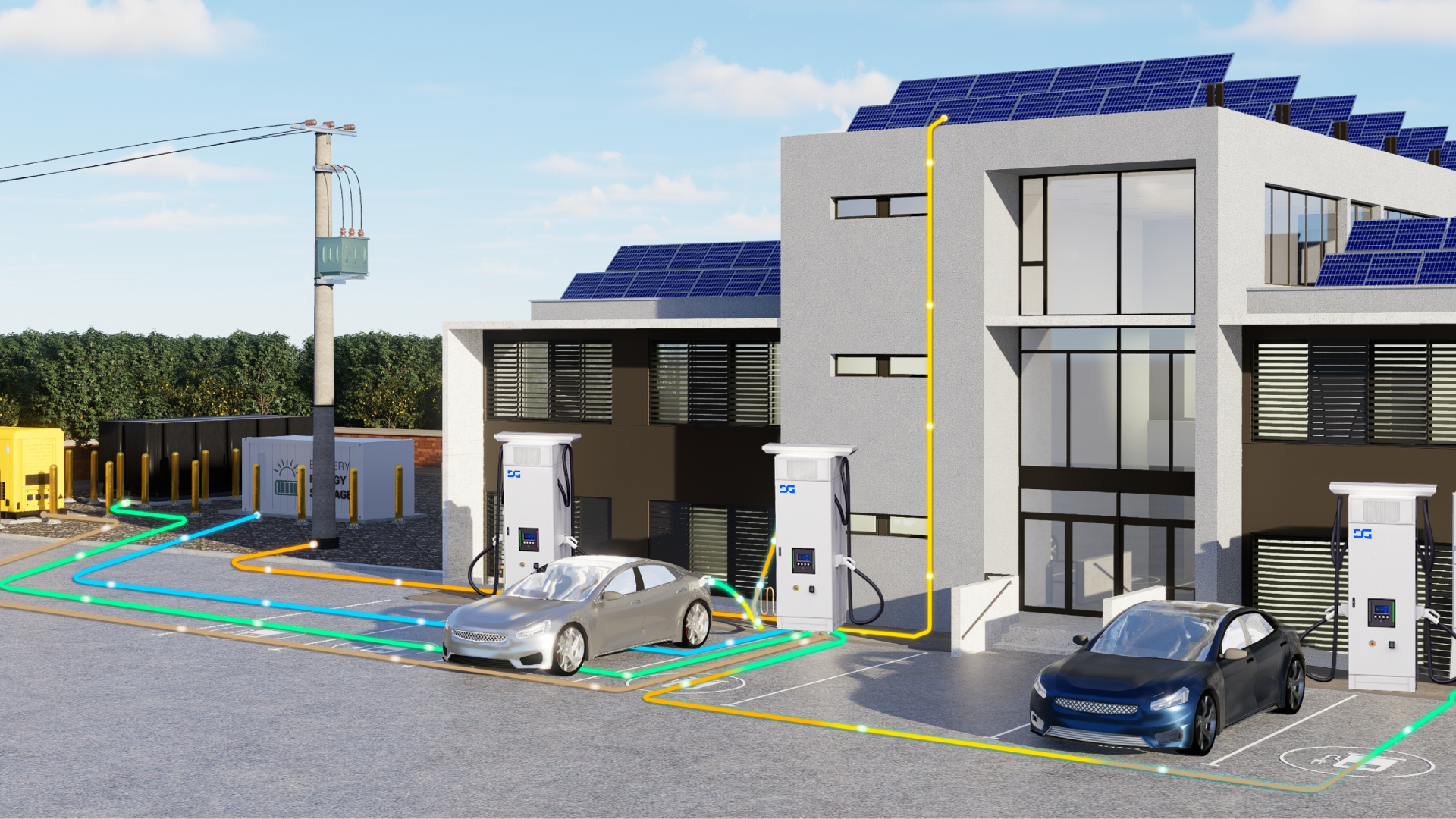
A modern resiliency strategy goes beyond a standby generator. Leading operators combine:
On-site generation (solar, fuel cells, generators) for diversified supply that isn’t weather- or grid-dependent. Battery energy storage for instantaneous ride-through, peak-shaving, black-start capability, and load shaping.
Programmable controls & EMS to prioritize critical loads, island when needed, and orchestrate sources/loads in real time. Segmented and tiered load design (critical, essential, deferrable) with pre-planned curtailment to extend uptime. Operational readiness (testing, drills, spares, fuel and parts logistics) and cyber/physical security measures that keep assets available when the grid is stressed.
The objective is straightforward: convert grid risk into business continuity. Companies that can maintain operations during broader system stress protect revenue, brand trust, and contractual performance.
Discover how DG Matrix's innovative power infrastructure solutions can transform your operations.
Contact Us