Expert perspectives on AI data center power, grid modernization, fleet electrification, and the technologies reshaping mission-critical infrastructure.
Get the latest news, event invitations, and exclusive insights delivered directly to your inbox.
For press releases, interviews, media kits, or collaboration opportunities, our communications team is here to help.
Financial Strategy for AI-Ready Power Infrastructure Peter Sopher, Chief Financial Officer at DG Matrix, shares his perspective on the rapid transformation of energy infrastructure driven by artificial intelligence, electrification, and digital innovation. He explains how financial strategy, technology investment, and infrastructure modernization work together to support the commercialization of next-generation power solutions, including the Interport™ multi-port solid-state transformer platform. Scaling Interport™ Multi-Port Solid-State Transformer (SST) Commercialization The article explores how AI data centers, grid modernization, and distributed energy systems are creating unprecedented demand for intelligent power infrastructure. Peter Sopher discusses the importance of scalable business models, strategic partnerships, and long-term investment in technologies that enable faster deployment, greater energy efficiency, and resilient power delivery for modern enterprises. Why AI Infrastructure Growth Requires Strategic Power Investment As organizations invest in AI infrastructure and electrification, financial leadership plays a critical role in accelerating innovation. This article highlights how DG Matrix combines technology leadership with strategic financial planning to support sustainable growth and deliver intelligent energy infrastructure for the AI era. Tags Peter Sopher CFO AI Data Centers Electrification Interport Multi-Port Solid-State Transformer (SST) Energy Infrastructure Financial Strategy Strategic Partnerships Infrastructure Modernization Software-Defined Power
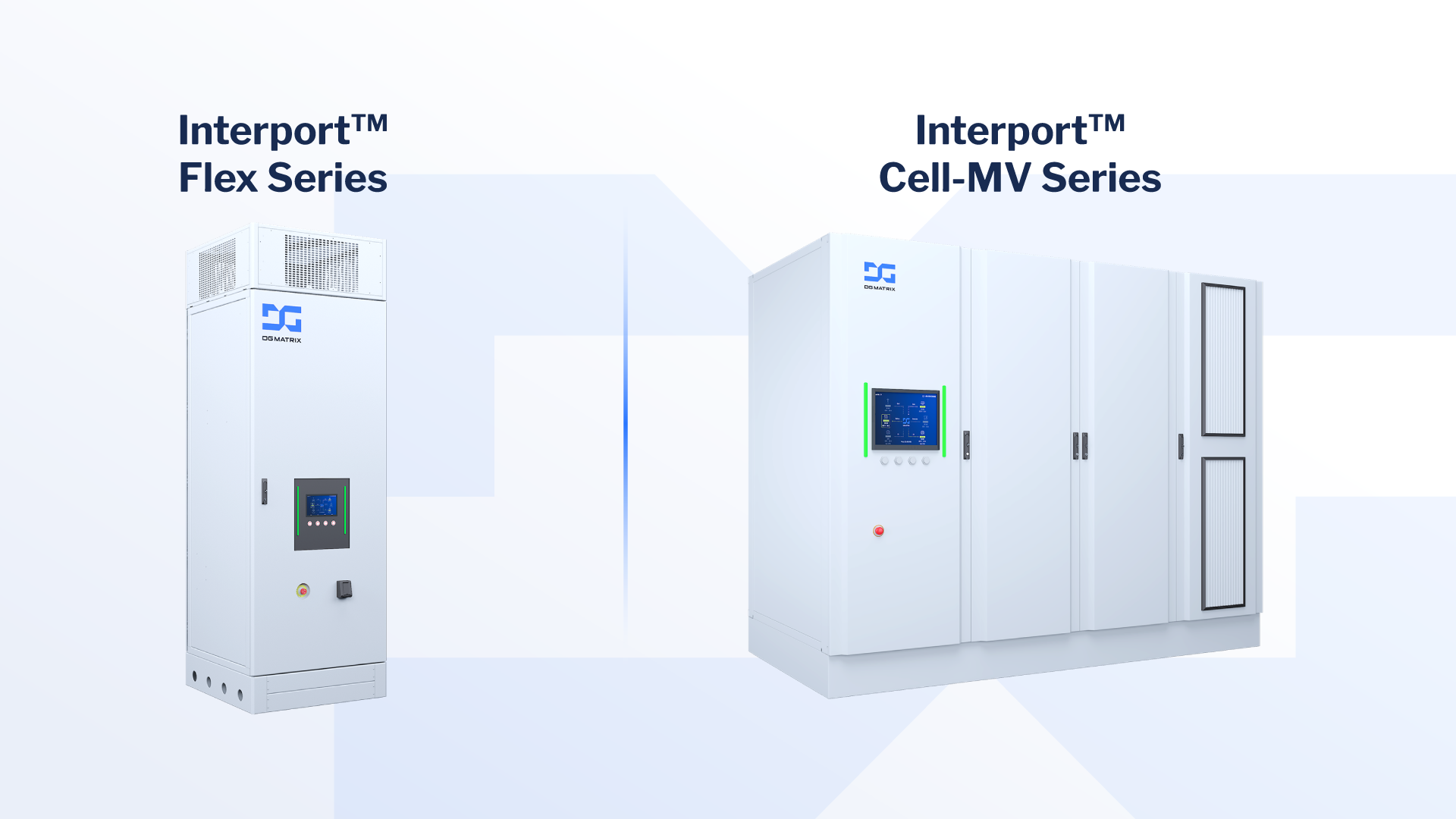
Why Solid-State Transformers Are Finally Ready for Scale Solid-state transformers (SSTs) have long been viewed as a promising technology for modernizing electrical infrastructure. This article explains why advancements in power electronics, semiconductor technology, and growing demand for AI infrastructure have finally created the conditions for commercial deployment of multi-port solid-state transformers. Interport™ Multi-Port SST for AI Data Centers, DERs, and Fleet Electrification The article examines the evolution of solid-state transformer technology and the factors driving widespread adoption, including AI data center growth, grid modernization, distributed energy resources, and fleet electrification. It also explains how the Interport™ platform delivers software-defined power management, intelligent energy routing, and faster infrastructure deployment compared with traditional transformer architectures. Commercializing Software-Defined Power for Next-Generation Energy Systems As global electricity demand continues to increase, utilities and enterprises require more flexible, efficient, and intelligent power systems. The commercialization of solid-state transformers represents a significant milestone in building scalable energy infrastructure capable of supporting the next generation of AI computing and electrification. Tags Solid-State Transformer (SST) Multi-Port Solid-State Transformer Interport AI Data Centers Power Electronics Semiconductor Technology Grid Modernization Distributed Energy Resources (DERs) Fleet Electrification Software-Defined Power
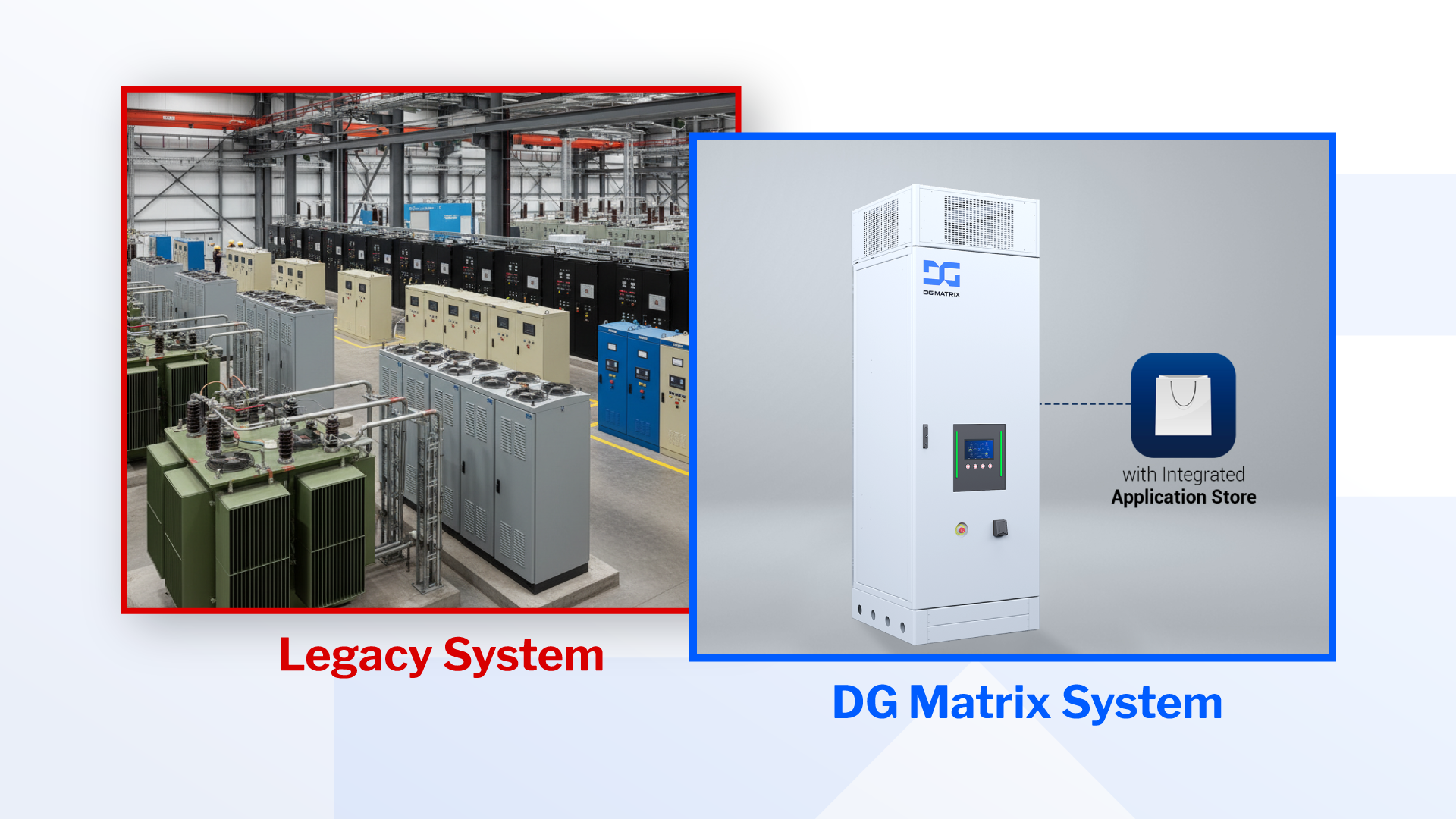
From One-Off Electrical Projects to a Programmable Power Platform Traditional power infrastructure is often designed as a collection of standalone components built for a single project. This article introduces the concept of a programmable power operating system that standardizes energy infrastructure through intelligent hardware and software-defined control. Interport™ Integration of Grid Power, Battery Storage, Renewables, and DERs The article explains how the Interport™ platform transforms multiple power devices into a unified, software-controlled energy platform capable of integrating grid power, battery storage, renewable energy, and distributed energy resources. This modular architecture reduces deployment complexity while allowing organizations to adapt as energy requirements evolve. Standardizing Energy Infrastructure for AI Data Centers and Industrial Power Programmable power infrastructure enables faster deployment, lower operating costs, and greater flexibility than traditional one-off electrical systems. This approach helps organizations modernize their energy infrastructure while supporting AI data centers, industrial facilities, and commercial electrification projects. Tags Power Operating System Programmable Power Software-Defined Energy Infrastructure Interport Grid Power Battery Storage Renewable Energy Distributed Energy Resources (DERs) AI Data Centers Modular Energy Systems
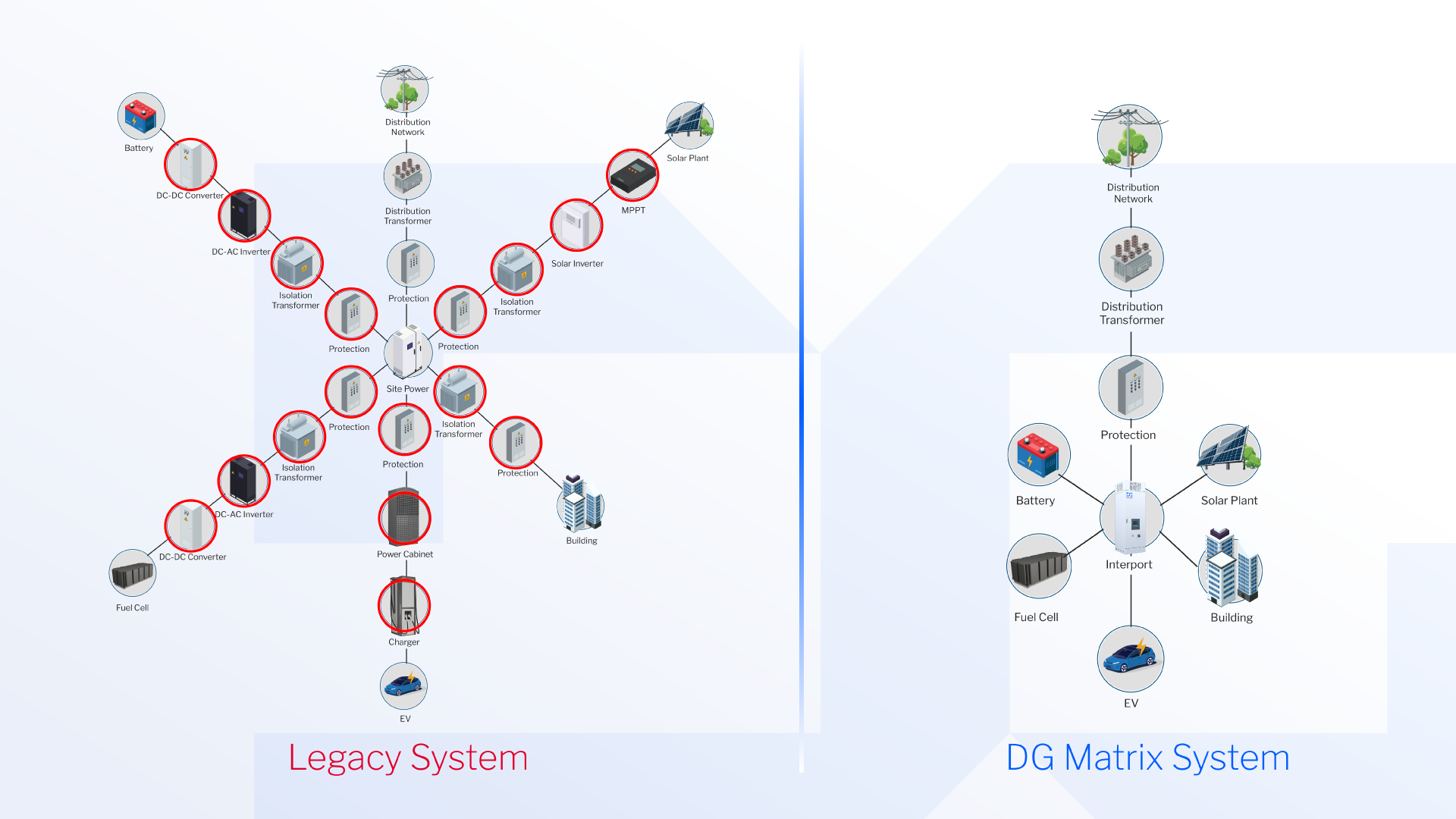
Building a Platform for Energy Infrastructure, Not a Single-Use Product This article explores how DG Matrix applies the principles of software platforms to energy infrastructure. Instead of building custom electrical systems for every project, the company has developed the Interport™ platform to support multiple applications through a standardized, software-defined architecture. Programmable Power Systems for AI Data Centers, Microgrids, EV Charging, and DERs Using the App Store analogy, the article explains how programmable power systems can replace multiple traditional electrical devices with a single intelligent platform. Organizations can deploy the same infrastructure across AI data centers, microgrids, EV charging, and distributed energy projects while adapting functionality through software rather than replacing hardware. Why Platform-Based Energy Infrastructure Improves Scalability and Flexibility Platform-based energy infrastructure improves scalability, simplifies deployment, and supports future innovation. By applying software principles to power systems, DG Matrix enables customers to build flexible energy ecosystems capable of evolving alongside advances in AI, electrification, and digital infrastructure. Tags Energy Platform App Store Model for Energy Interport Software-Defined Power Programmable Power Systems AI Data Centers Microgrids EV Charging Distributed Energy Resources (DERs) Energy Ecosystem
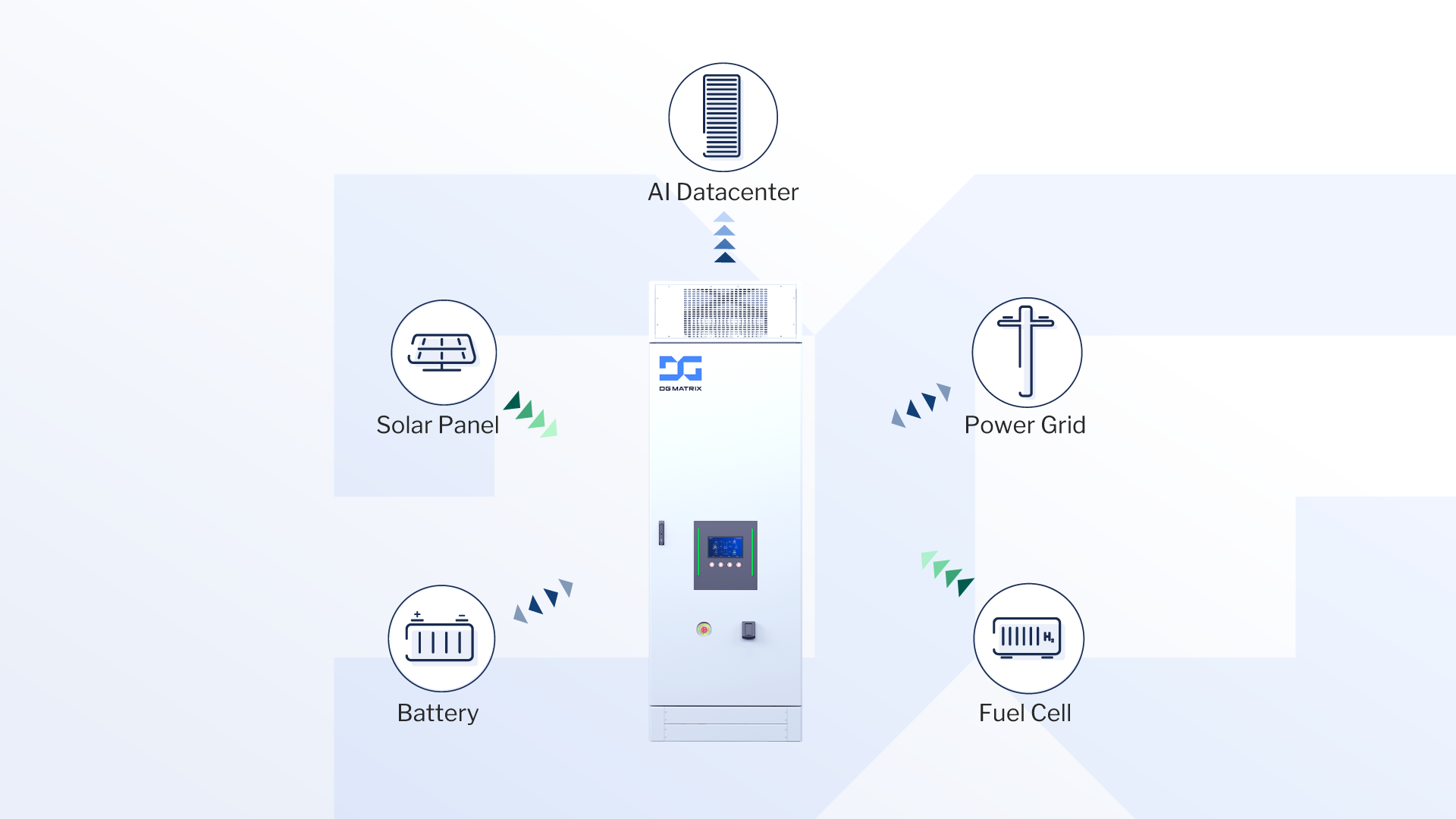
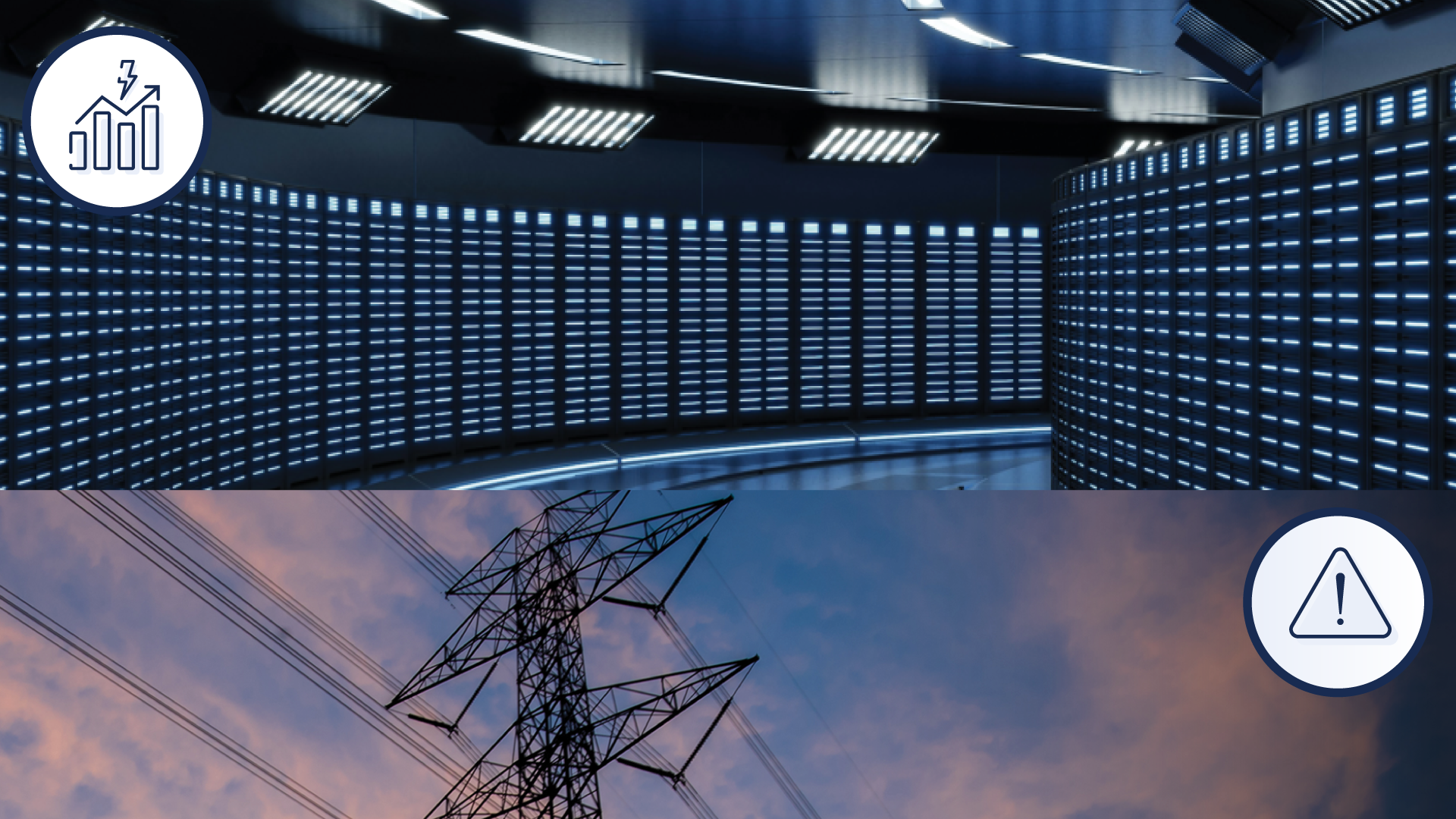
AI Data Center Growth and the Power Infrastructure Bottleneck Artificial intelligence is driving an unprecedented increase in demand for data center capacity, creating new challenges for electrical infrastructure. This article explains how DG Matrix addresses these challenges by accelerating power deployment and supporting scalable AI-ready energy systems. Interport™ SST for Behind-the-Meter Power and High-Density Distribution The article discusses the limitations of conventional grid infrastructure, utility interconnection timelines, and traditional electrical architectures. It explains how the Interport™ multi-port solid-state transformer platform enables behind-the-meter power, software-defined energy management, and high-density power distribution to reduce deployment delays and improve operational efficiency. Reducing Time-to-Power with AI-Ready Software-Defined Energy Systems Power availability has become one of the biggest constraints on AI growth. Faster, more intelligent energy infrastructure enables organizations to deploy AI data centers more efficiently while supporting long-term scalability, energy resilience, and sustainable digital transformation. Tags AI Data Centers AI Infrastructure Time-to-Power Behind-the-Meter Power Interport Multi-Port Solid-State Transformer (SST) High-Density Power Distribution Grid Constraints Software-Defined Energy Energy Resilience
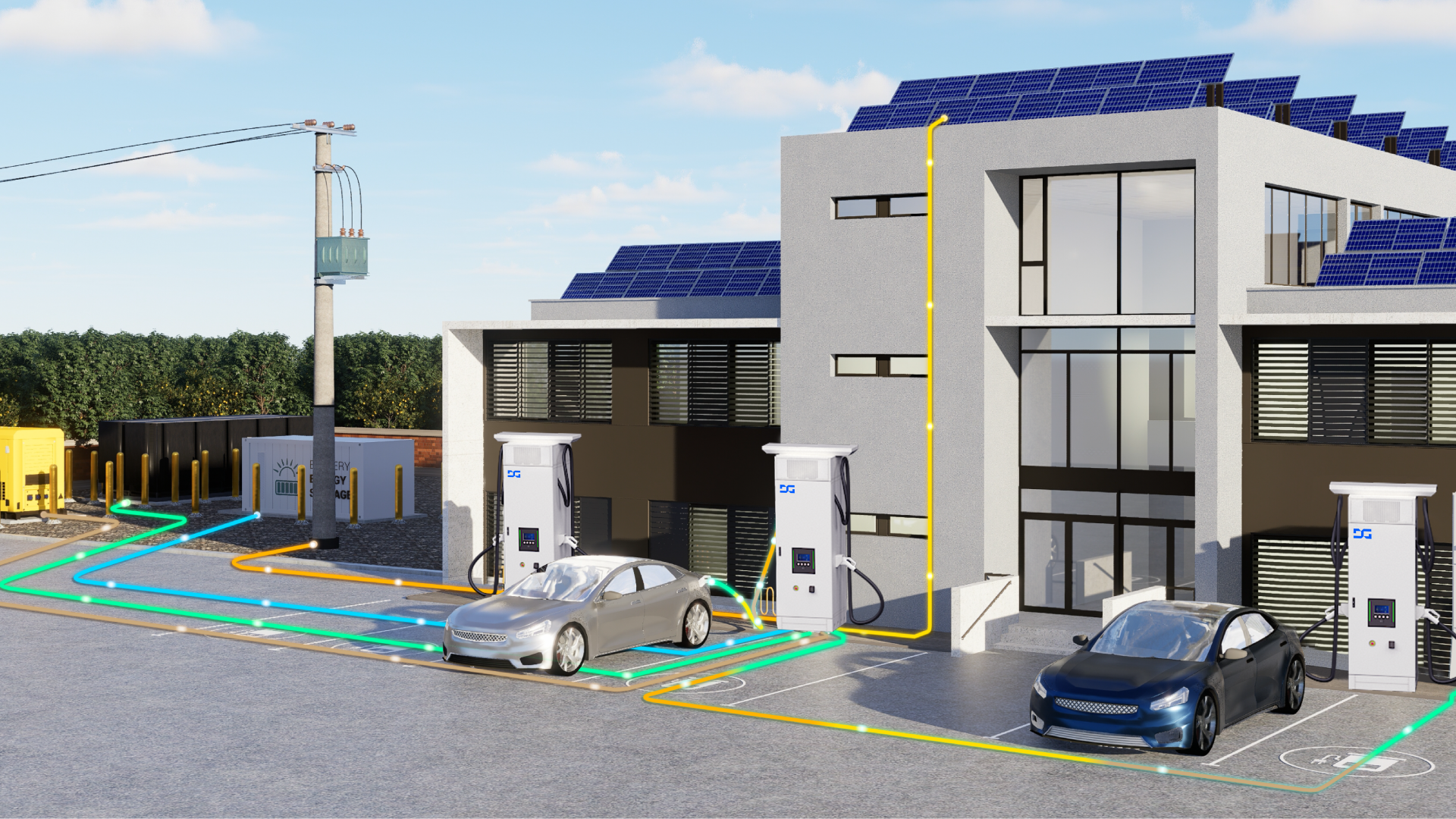
Why Energy Availability Is Now a Strategic Business Priority Energy has become a strategic business priority rather than simply an operational expense. This article explores how organizations must align their energy strategy with business objectives to support AI infrastructure, digital transformation, and long-term growth. As electricity demand continues to rise, companies that invest in resilient and intelligent energy systems gain a competitive advantage. Interport™ Integration of Grid Power, DERs, Battery Storage, and Renewables The article explains how energy availability, infrastructure scalability, and software-defined power directly influence business continuity, operational efficiency, and expansion plans. It highlights the role of the DG Matrix Interport™ multi-port solid-state transformer platform in integrating grid power, distributed energy resources, battery storage, and renewable energy into a flexible, intelligent energy ecosystem. Turning Energy Infrastructure into a Competitive Advantage Organizations investing in AI, manufacturing, logistics, and commercial operations require energy strategies that evolve alongside business needs. By treating energy as a strategic asset rather than a utility expense, businesses can accelerate innovation, improve resilience, and reduce long-term infrastructure costs while preparing for the future of electrification. Tags Energy Strategy Business Strategy AI Infrastructure Electrification Interport Multi-Port Solid-State Transformer (SST) Distributed Energy Resources (DERs) Battery Storage Renewable Energy Energy Resilience Business Continuity
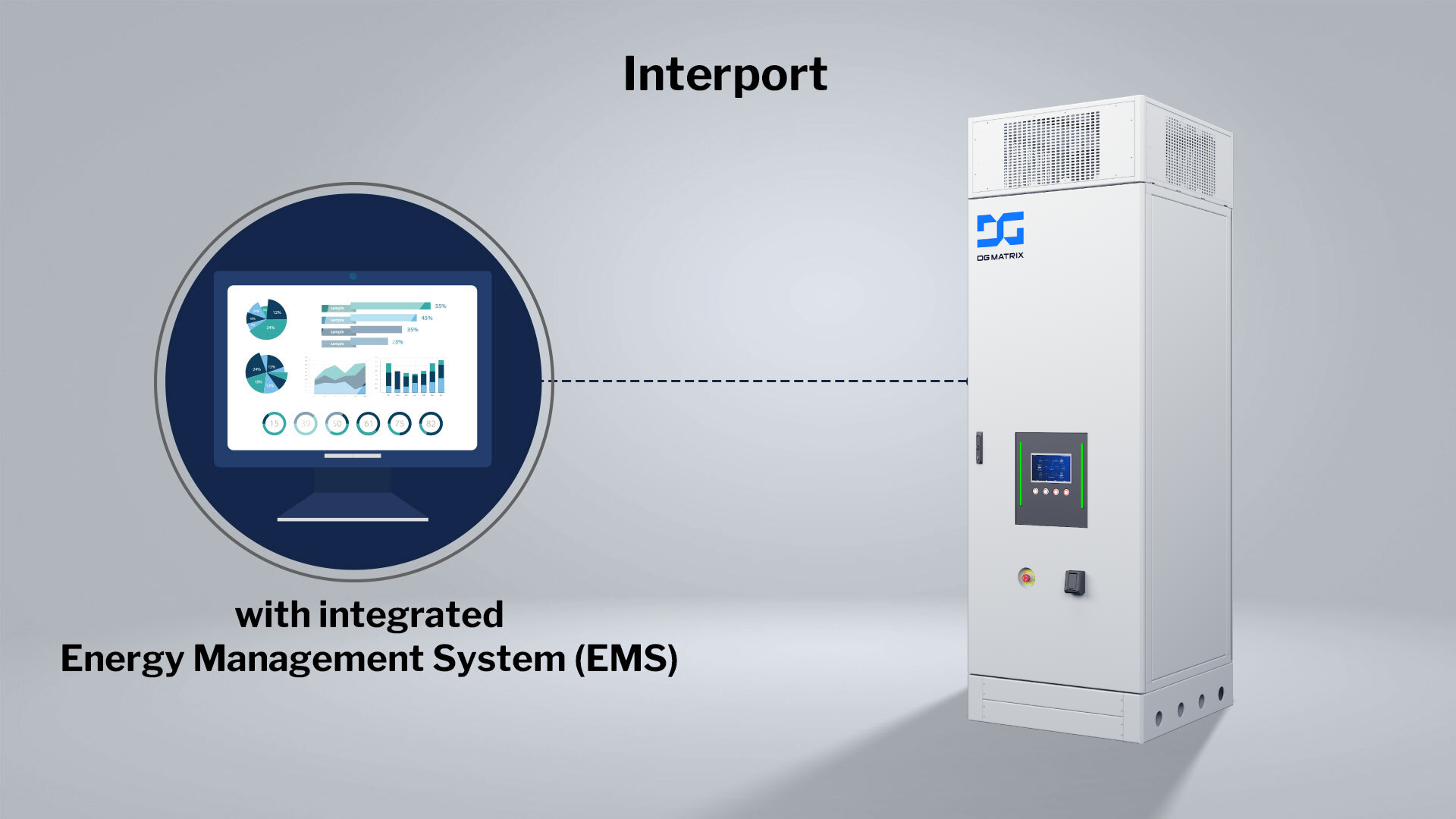
Why Energy OEMs Need Interoperable, Software-First Interfaces The energy industry is undergoing a transformation as software-defined infrastructure replaces traditional hardware-centric systems. This article examines why original equipment manufacturers (OEMs) need a modern interface that enables intelligent communication, interoperability, and software-driven energy management across increasingly complex power systems. Interport™ Platform for Utility, Renewable, Battery, EV, and AI Data Center Integration Traditional electrical equipment often operates as isolated components with limited flexibility. The article explains how programmable platforms like the DG Matrix Interport™ create a unified interface that simplifies integration between utilities, renewable energy sources, battery storage, EV charging infrastructure, and AI data centers. This software-first approach enables faster deployment, easier upgrades, and improved operational visibility. Improving Energy System Visibility, Upgrades, and Long-Term Performance Future-ready energy infrastructure depends on interoperability and intelligent control rather than isolated hardware devices. Modern interfaces allow OEMs, utilities, and enterprise customers to deploy scalable energy systems that adapt to evolving technologies while improving efficiency, reliability, and long-term performance. Tags Energy OEMs Software-Defined Infrastructure Interoperability Interport Programmable Energy Platform Utilities Renewable Energy Battery Storage EV Charging AI Data Centers Energy Management
Why Distributed Energy Is the Future of Grid Capacity Growing demand from artificial intelligence, electrification, and digital infrastructure is placing unprecedented pressure on electrical grids worldwide. This article explores how distributed energy resources can unlock additional grid capacity while improving resilience and accelerating infrastructure deployment. BESS, Microgrids, and Intelligent Power Routing for AI and Electrification The article discusses the increasing role of distributed generation, battery energy storage systems (BESS), microgrids, and intelligent power routing in supporting future electricity demand. The DG Matrix Interport™ platform enables seamless integration of multiple AC and DC energy sources, helping organizations optimize energy flows while reducing dependence on large-scale centralized infrastructure. Interport™ Integration of AC and DC Energy Sources for Grid Flexibility Meeting future electricity demand will require more than expanding traditional utility infrastructure. Distributed energy provides a practical path toward greater grid flexibility, faster deployment, and improved energy resilience, supporting AI data centers, industrial facilities, commercial campuses, and electrified transportation networks. Tags Distributed Energy Resources (DERs) Grid Capacity Battery Energy Storage Systems (BESS) Microgrids Intelligent Power Routing Interport AC and DC Power AI Data Centers Grid Flexibility Energy Resilience
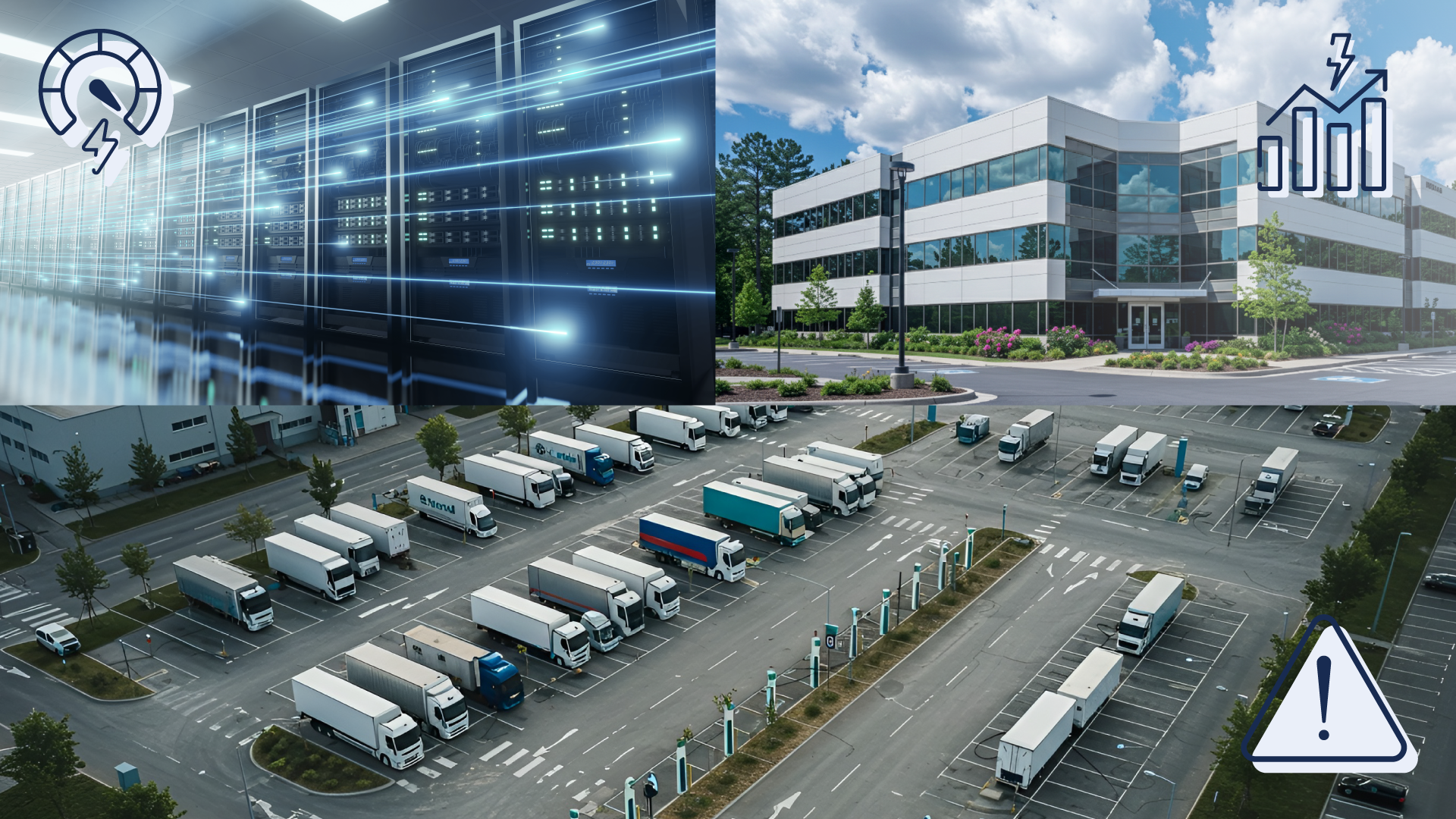
Connecting Power Demand and Deployment Speed with Bridge Power One of the greatest challenges facing AI infrastructure and electrification projects is the growing gap between power demand and infrastructure availability. This article explores how bridge power solutions help organizations deploy critical operations while permanent utility upgrades are being completed. Modular Energy Systems with Distributed Generation, Battery Storage, and Interport™ The article explains how modular energy systems, distributed generation, battery storage, and intelligent power conversion enable temporary yet scalable energy solutions. The DG Matrix Interport™ platform supports rapid deployment by integrating multiple energy sources into a unified, software-defined architecture that delivers reliable power during infrastructure expansion. Reducing Time-to-Power for AI Data Centers and Industrial Facilities Reducing time-to-power has become a critical success factor for AI data centers, commercial developments, and industrial facilities. Bridge power solutions enable organizations to begin operations sooner, reduce project delays, and maintain business continuity while transitioning to permanent energy infrastructure. Tags Bridge Power Time-to-Power AI Infrastructure AI Data Centers Modular Energy Systems Distributed Generation Battery Storage Interport Software-Defined Power Utility Interconnection Business Continuity
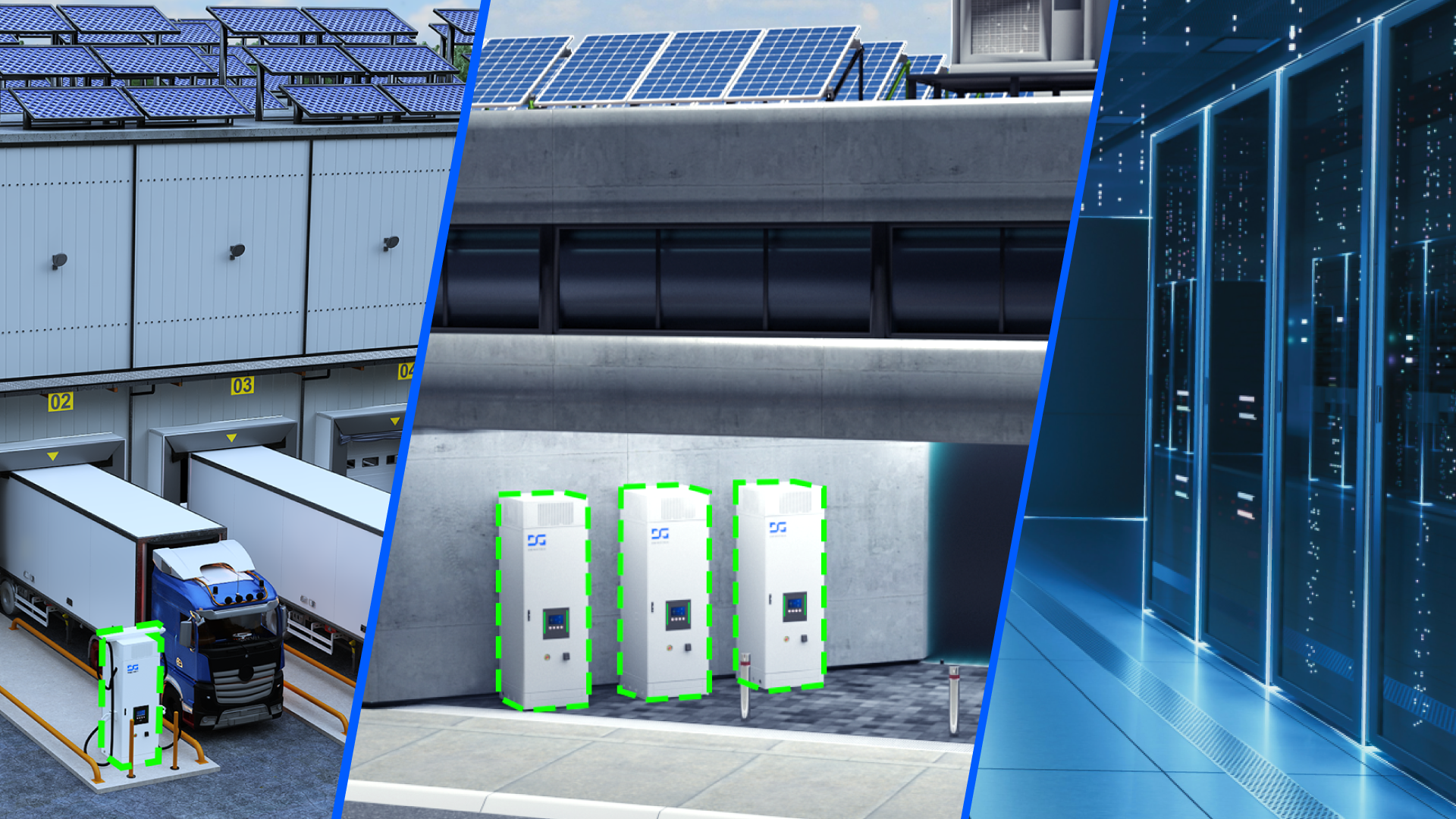
How Software-Defined Power Gives EPCs a Faster Energy Infrastructure Foundation Engineering, Procurement, and Construction (EPC) firms play a critical role in delivering modern energy infrastructure, but growing demand for AI data centers, electrification, and distributed energy is reshaping project requirements. This article explores how the DG Matrix Interport™ platform helps EPCs simplify complex power system designs, accelerate project delivery, and build scalable energy infrastructure that meets the evolving needs of customers. Consolidating Power Conversion, BESS, Renewables, EV Charging, and Grid Integration The article explains how conventional electrical infrastructure often requires multiple standalone components, resulting in longer engineering cycles, increased installation complexity, and higher project costs. By consolidating power conversion, intelligent energy routing, and integration of grid power, battery energy storage systems (BESS), renewable energy, and EV charging into a single software-defined platform, Interport™ enables EPCs to reduce design complexity while improving flexibility and deployment speed. This standardized approach also helps simplify commissioning and supports future expansion without requiring major infrastructure redesigns. Reducing EPC Project Complexity for Resilient, Future-Ready Power Systems As AI infrastructure, grid modernization, and commercial electrification projects continue to grow in scale and complexity, EPC firms need technologies that reduce project risk while accelerating time to deployment. The DG Matrix software-defined power architecture provides EPCs with a smarter foundation for delivering resilient, efficient, and future-ready energy systems. By streamlining project execution and enabling flexible integration of emerging energy technologies, EPCs can improve customer outcomes, shorten delivery timelines, and support the transition to intelligent energy infrastructure. Tags EPCs Engineering Procurement and Construction Interport Software-Defined Power AI Data Centers Electrification Distributed Energy Battery Energy Storage Systems (BESS) Renewable Energy EV Charging Grid Integration
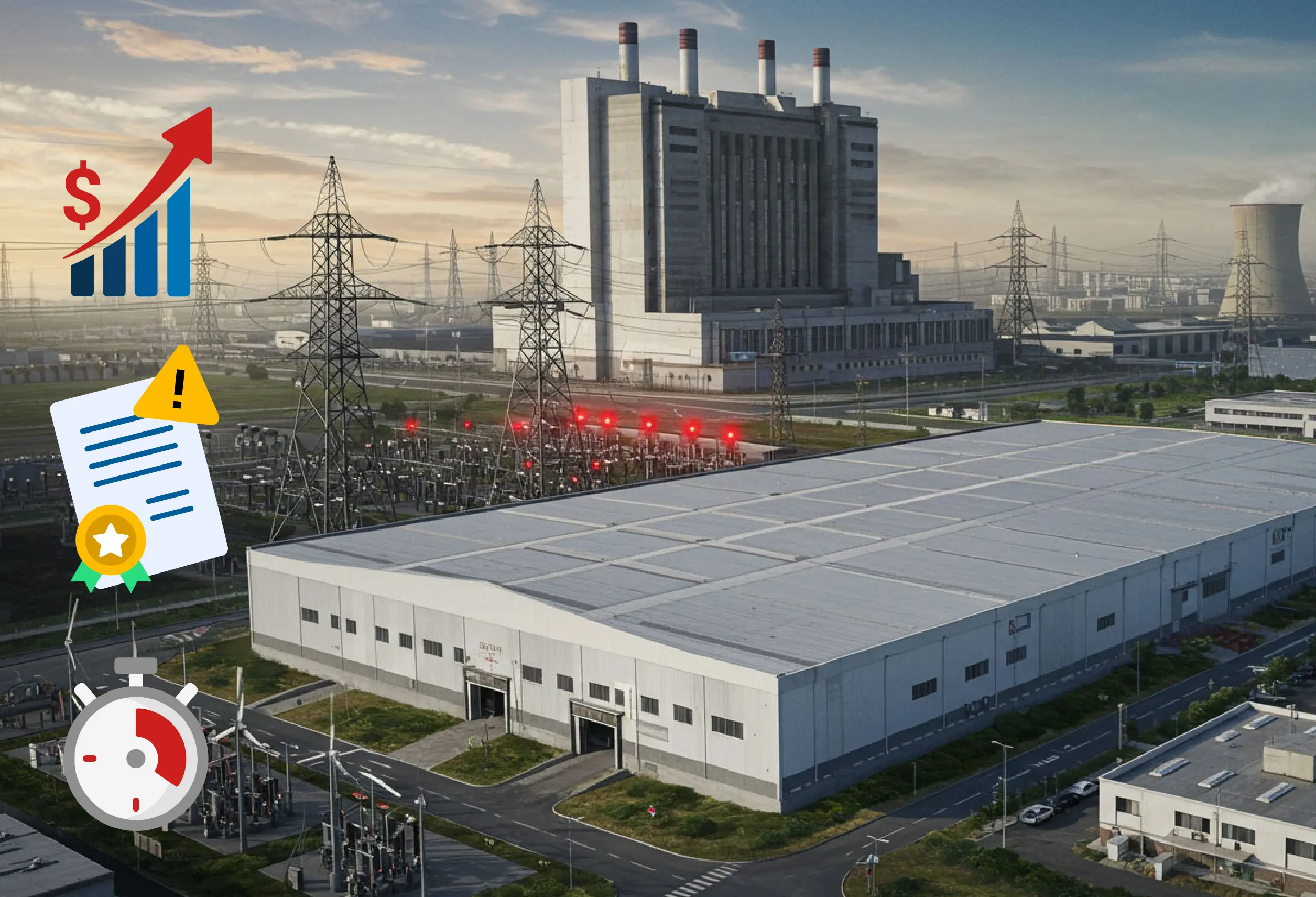
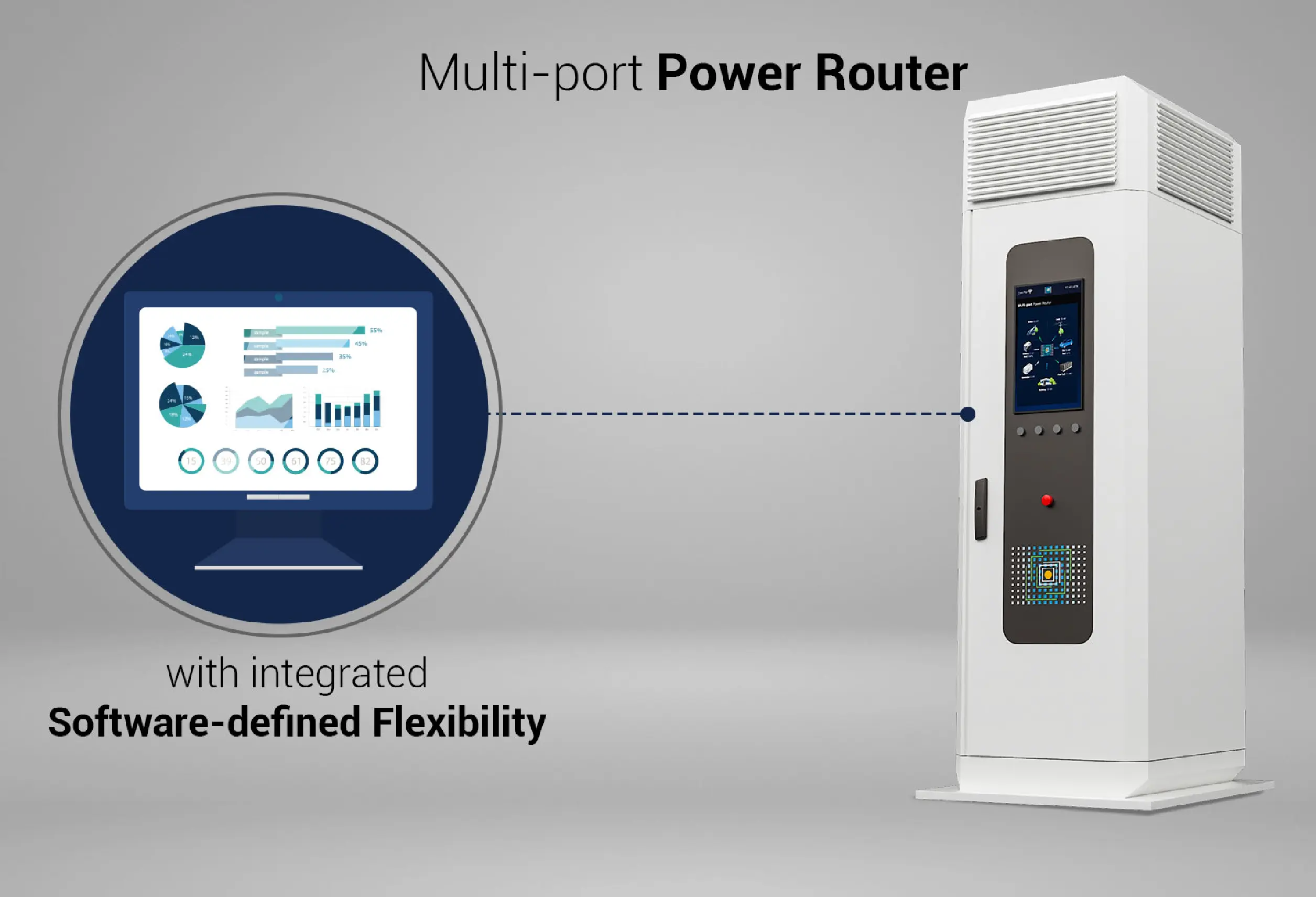
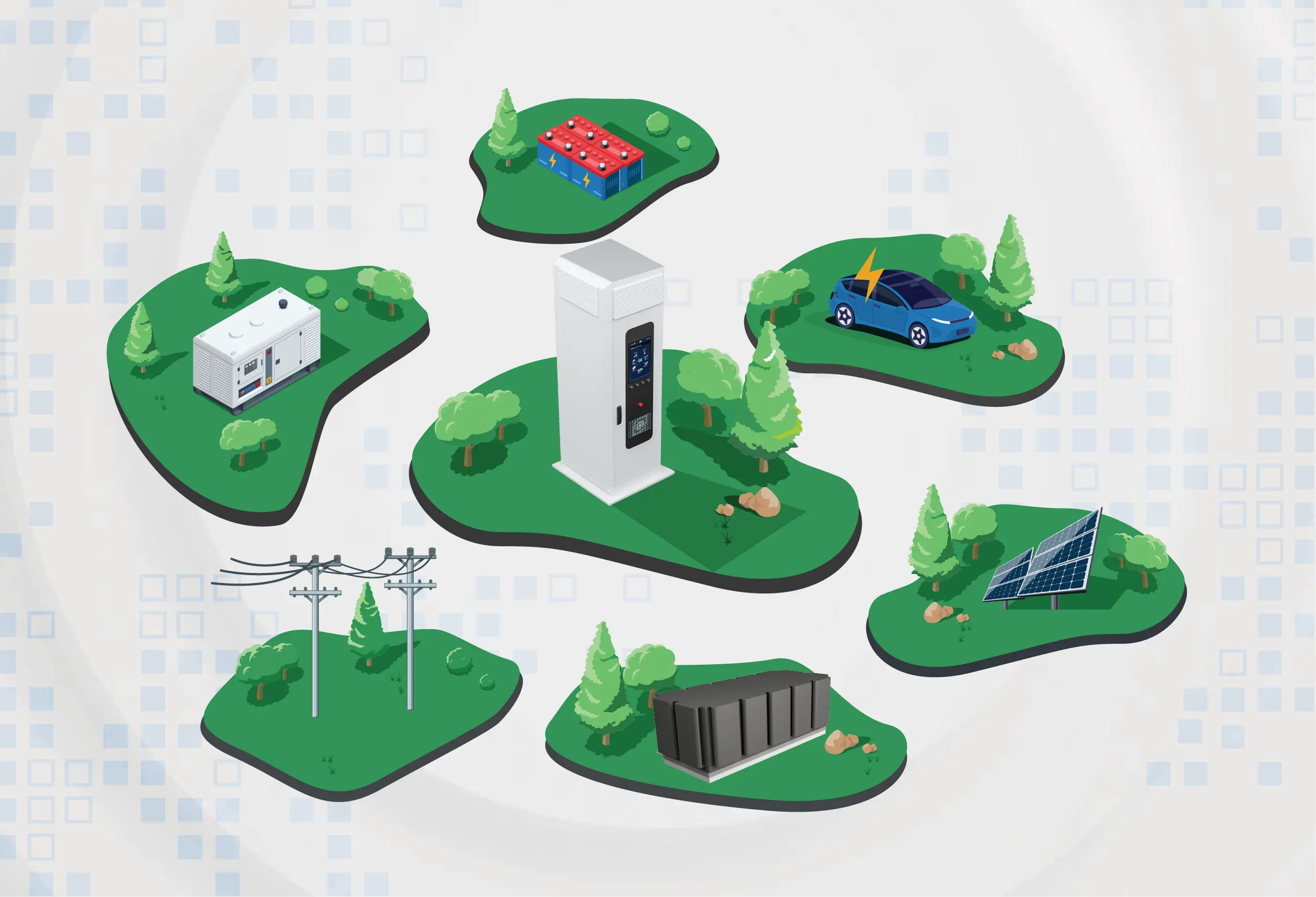
The Next Phase of Electrification Industries worldwide are shifting to electric operations in facilities, data centers, and logistics. The constraint is not only demand—it is speed to power, scale, and adaptability. Traditional centralized infrastructure that takes decades to build cannot meet today’s timelines. Artificial intelligence (AI) data centers demand huge amounts of energy on short notice, and factories are shifting to all-electric processes. The path forward is modular, distributed, and programmable power at the edge—right where it is needed. Why Centralized Models Fall Short Legacy models depend on long permitting cycles, utility interconnection queues, and major transmission projects. These take years, while businesses need to energize in months. Upgrades to substations, feeders, and lines can stretch deployments to 24–60 months. Fixed, centralized designs struggle to adapt when demand shifts or new technologies arrive. Capacity is often stranded upstream, while load centers face bottlenecks—raising cost and risk. A Better Model: Modular, Programmable, and Distributed Power Distributed systems reverse the equation. Pre-engineered blocks, placed near the load, energize sites faster and reduce dependence on upstream upgrades. Local capacity improves resiliency during grid stress or outages. Modular hardware scales one block at a time and helps avoid large one-way capital bets. The next terawatt of useful capacity comes from intelligent systems at the edge—not wires alone. The Platform Behind Distributed Power DG Matrix builds this approach on a multi-port, solid-state transformer (SST) foundation. Energy/Power Router consolidates many conversion stages into one programmable platform that connects grid, solar, storage, generation, electric vehicle (EV) charging, and critical loads through configurable ports. Software activates and evolves functions over time, including dynamic power sharing, demand-charge mitigation, time-of-use optimization, grid-forming operation, and seamless islanding. Together, these capabilities turn each site into a controllable node of a broader power operating system.
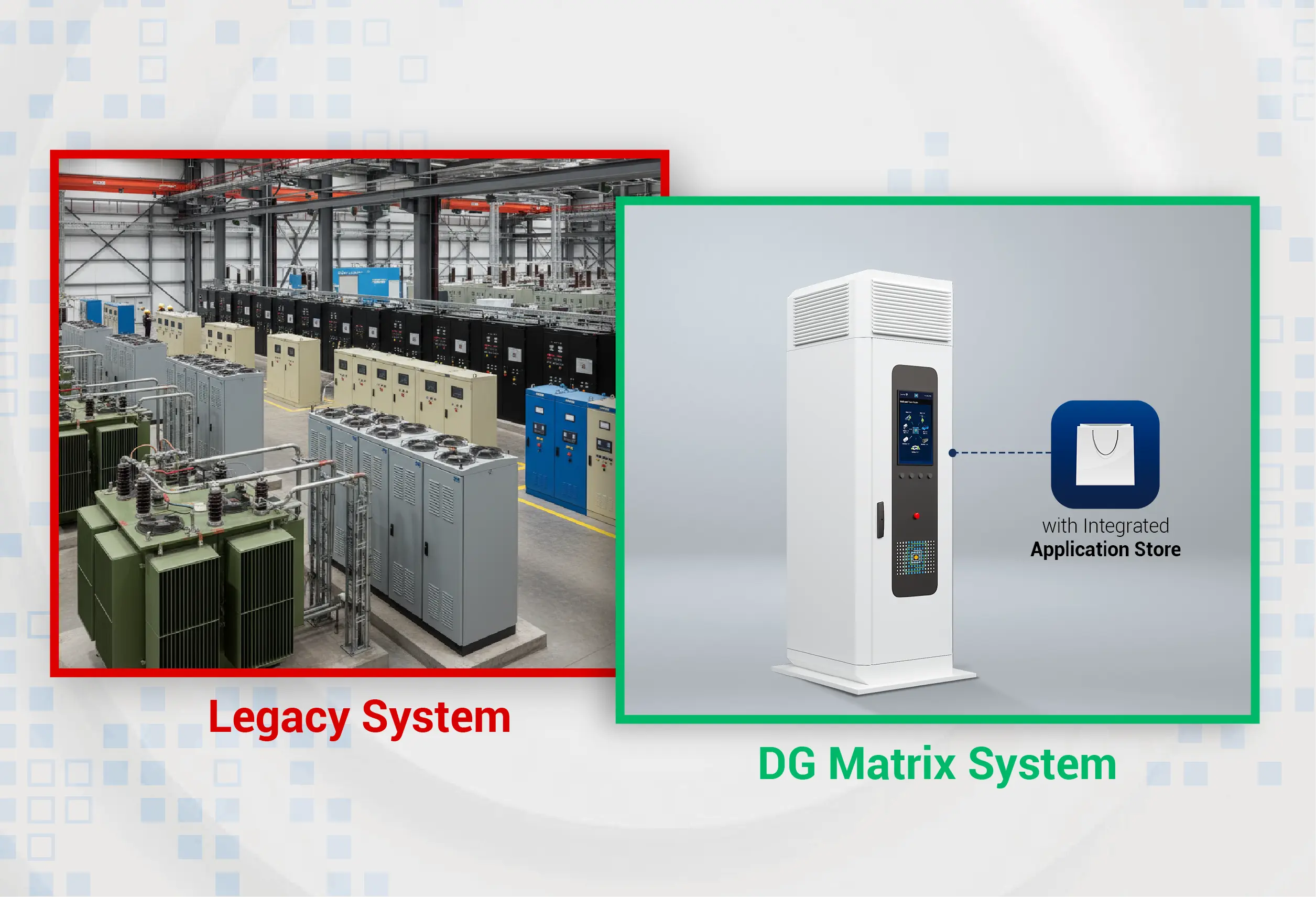
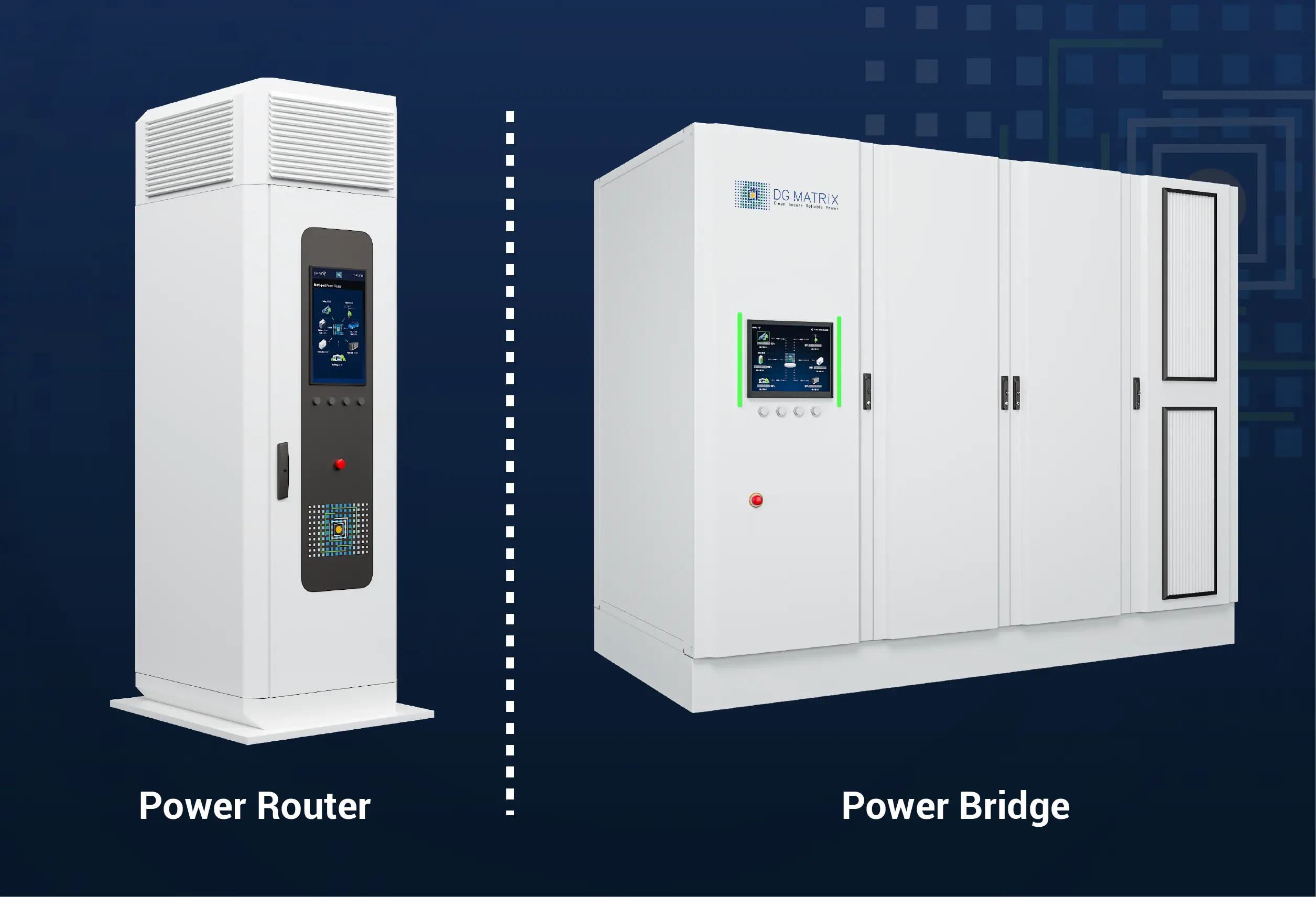
Power projects are often built as rigid, one-off stacks of transformers, rectifiers, switchgear, uninterruptible power supply (UPS) systems, and controls—unable to keep pace with AI-era demand. A better model is a power operating system: standardized hardware with software-defined adaptability that deploys quickly, evolves over time, and transforms distributed energy resources (DERs) into a controllable, revenue-generating fleet. DG Matrix drives this shift—“not just a product, a platform”—anchored in a multi-port solid-state transformer (SST). Definition of a Power Operating System A “Power Operating System” combines three layers: A Scalable System Architecture: One platform spans multiple use cases—electric vehicle (EV) hubs, buildings, microgrids, and especially AI-data centers—so teams can standardize designs, processes, and spares globally. A Software Layer: Features like dynamic-power sharing, demand-charge mitigation, time-of-use (TOU) optimization, and grid services are activated and evolved in software—the “App Store” model for energy. Value grows after installation as new functions roll out. A Universal Power Engine: The DG Matrix Energy/Power Router is an SST that natively aggregates multiple alternating current (AC) and direct current (DC) sources and loads in a single device, with bi-directional, grid-forming and grid-following capabilities, with galvanic isolation and programmable ports. This consolidation collapses many discrete boxes into one controllable platform. From Projects to Standardized Solutions The bottleneck is no longer graphics processing units (GPUs) but rather grid upgrades that take years. DG Matrix solves this by delivering modular, behind-the-meter capacity—integrating on-site sources, storage, and load—to avoid upstream upgrades and cut timelines from years to months. DG Matrix packages this as a data center-ready stack: Energy/Power Router: the site’s “power computer,” orchestrating grid, solar, fuel cells, gensets, and mission-critical loads.Power Bridge: brings medium-voltage to the rack to cut conversion steps and free white space. Conclusion The future of electrification—and AI-data-center power in particular—won’t be won by stacking more boxes. It will be won by standardized, software-defined power platforms that deploy quickly, evolve continuously, and turn edge assets into a coordinated, monetizable fleet. That’s what DG Matrix means by a power operating system—and why moving from one-off projects to a programmable platform is the decisive advantage in the AI decade.
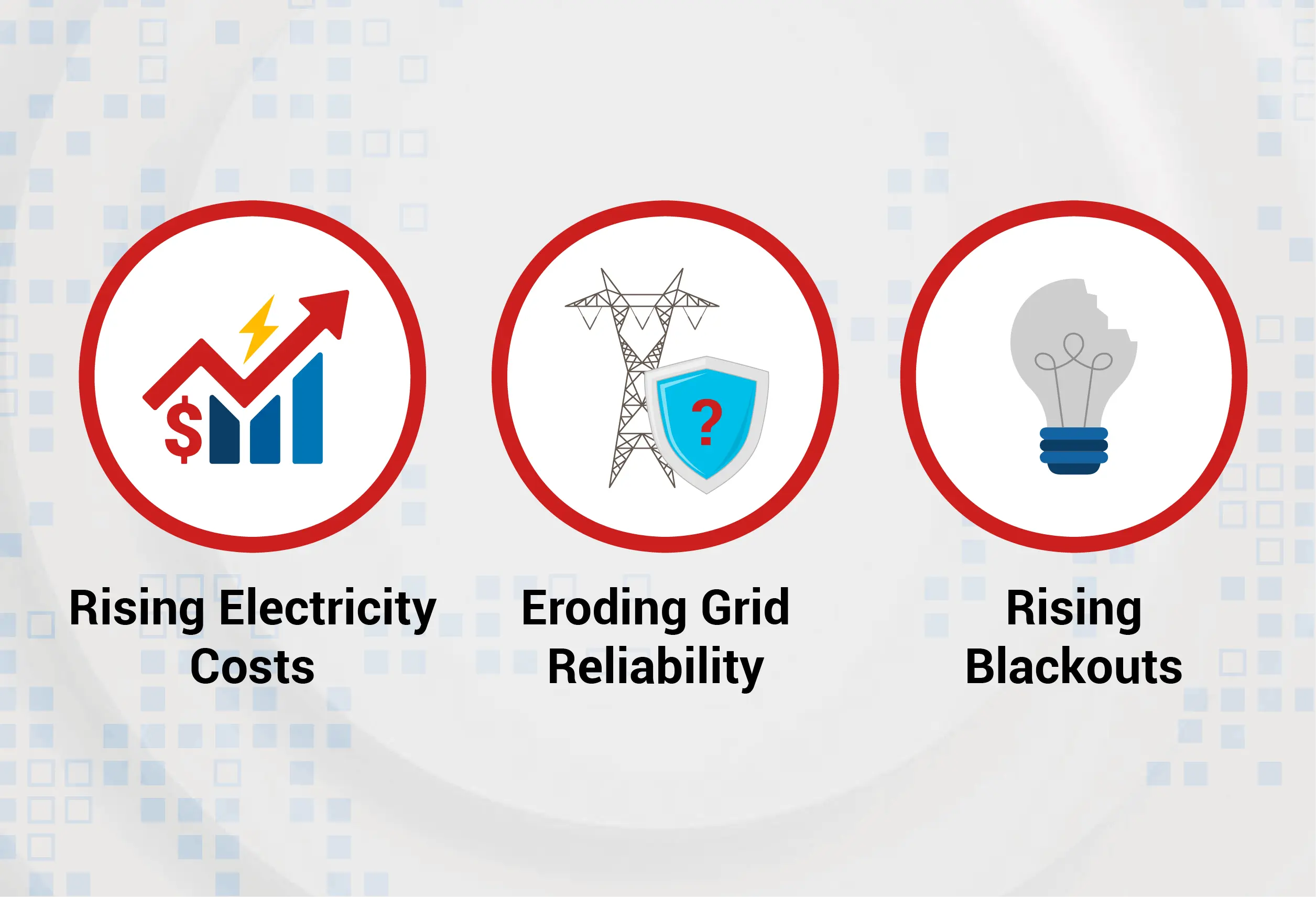
Utility rates are climbing at a record pace—with some markets seeing electricity costs rise by more than 30% in just the past few years. At the same time, grid reliability is eroding. According to Department of Energy (DOE) and North American Electric Reliability Corporation (NERC) data, blackouts in North America are projected to increase 100-X by 2030. For commercial and industrial (C&I) companies, this is no longer just a facilities issue. Energy has become a C-suite priority—directly tied to revenue protection, profitability, and growth. Clean Secure Reliable Power Building Your Energy Strategy: Own vs. Outsource? Utility rates are climbing at a record pace—with some markets seeing electricity costs rise by more than 30% in just the past few years. At the same time, grid reliability is eroding. According to Department of Energy (DOE) and North American Electric Reliability Corporation (NERC) data, blackouts in North America are projected to increase 100-X by 2030. Rising Electricity Costs Eroding Grid Reliability The central question is: Should your company own and operate its energy infrastructure, or outsource it through a power purchase agreement (PPA)? Both models can reduce costs, improve resiliency, and advance sustainability goals—but the right choice depends on your objectives, capital strategy, and internal resources. Understanding Your Objectives Every energy strategy begins with clarity on why it matters for your business. ® 2025 DG Matrix, Inc. All rights reserved. Rising Blackouts For some, energy is primarily a cost line item — something to be reduced wherever possible. In this case, a flexible outsourcing model may suffice. For others, however, energy is a critical competitive advantage: ESG Revenue Protection: Outages that halt retail sales, idle production lines, or spoil inventory aren’t just inconvenient — they can cost millions.For these businesses, resiliency is non-negotiable
AI datacenters, fleet electrification, and reshoring are driving electricity demand to levels the grid wasn’t built to handle. At the same time, extreme weather and aging infrastructure are increasing outage risk and volatility in energy costs. Energy has shifted from a back-of-house facilities decision to a C-suite priority tied directly to revenue protection, profitability, and the ability to seize new growth. In this environment, energy strategy is business strategy. Protecting Revenue with Energy Resiliency When power fails, revenue stops. In retail, outages translate immediately into lost transactions, spoiled inventory, and customer churn. In manufacturing, even sub-hour disruptions can scrap work-in-progress, damage equipment, and ripple through supply chains for days. Hospitals, logistics hubs, food storage, and data-driven operations face similar exposure—where downtime is not just costly but mission-critical A modern resiliency strategy goes beyond a standby generator. Leading operators combine: Protecting Revenue with Energy Resiliency On-site generation (solar, fuel cells, generators) for diversified supply that isn’t weather- or grid-dependent. Battery energy storage for instantaneous ride-through, peak-shaving, black-start capability, and load shaping Programmable controls & EMS to prioritize critical loads, island when needed, and orchestrate sources/loads in real time. Segmented and tiered load design (critical, essential, deferrable) with pre-planned curtailment to extend uptime. Operational readiness (testing, drills, spares, fuel and parts logistics) and cyber/physical security measures that keep assets available when the grid is stressed.
For over a century, the utility grid has stood as one of the greatest engineering achievements in human history—a vast, interconnected network delivering power to nearly every corner of society. But as electrification and digitalization surge ahead, we’re entering a new phase—one where the opportunity isn’t just to expand the grid, but to transform how we think about building capacity. The next terawatt of grid capacity will not come solely from centralized infrastructure. It will come from distributed, intelligent, and modular systems located at the edge — where demand is highest, and where the opportunity is greatest. A Terawatt of Demand—Faster Than Ever Before From AI datacenters requesting gigawatts of capacity to the electrification of fleets, factories, and buildings, the pace and scale of new demand are unprecedented. Utilities are stepping up—but timelines for major infrastructure projects are often measured in years, sometimes even decades. Meanwhile, developers, operators, and communities are looking to energize sites quickly. The opportunity lies in complementing existing utility infrastructure with modular, distributed capacity that can be deployed rapidly and scaled dynamically. This isn’t about replacing the grid—it’s about unlocking new ways to deliver value alongside it. Distributed Energy at the Edge: Capacity Where It Counts The power grid of the future will not be defined solely by central plants and transmission lines—it will be increasingly defined by what happens at the edge. By co-locating generation, storage, and advanced power control technologies like solid-state transformers closer to load centers, we can: Alleviate upstream transmission constraints Accelerate time-to-power for new loads Provide site-level flexibility to balance energy needs in real time Edge-based capacity reduces pressure on the backbone of the grid while creating faster pathways to energize the projects driving economic growth.
The grid is under pressure like never before. AI datacenters are requesting gigawatts of power. EV fleets and building electrification are creating unprecedented new loads. Meanwhile, utilities are being asked to deliver more power, more quickly, with the same physical infrastructure. This isn’t just a strain on capacity. It’s a test of agility. The challenge? Meeting surging demand while maintaining reliability, affordability, and operational control. The solution? Partnering with innovators who can augment the grid—not bypass it. Clean Secure Reliable Power Powering the Future, Together: How DG Matrix Partners with Utilities to Drive the Future of AI and Electrification The grid is under pressure like never before. AI datacenters are requesting gigawatts of power. EV fleets and building electrification are creating unprecedented new loads. Meanwhile, utilities are being asked to deliver more power, more quickly, with the same physical infrastructure. This isn’t just a strain on capacity. It’s a test of agility. The challenge? Meeting surging demand while maintaining reliability, affordability, and operational control. At DG Matrix, we work closely with utility partners to deliver the speed and scale needed to meet AI and electrification demands. Our Power Router platform is designed to act as an extension of the utility’s toolbox: helping accelerate large-load interconnections, unlock capacity within existing infrastructure, and deliver programmable, resilient power for mission-critical applications. Accelerating Large-Load Interconnections Utilities are facing record-breaking interconnection requests—and timelines aren’t keeping up. Traditional infrastructure upgrades, such as substation expansions or transmission buildouts, often take two to five years. That timeline doesn’t work when data centers and EV fleets need power in months, not years. DG Matrix helps compress the timeline. Our programmable Power Router acts as an intelligent node between grid and customer, enabling large-load sites to safely and reliably interconnect without waiting on upstream upgrades. By deploying behind the meter, Power Routers can: Dynamically manage power draw to avoid system shock Respond to utility signals for demand limiting or curtailment Support ramp-up strategies that align with utility capacity planning For utilities, this enables faster service to high-growth customers. For customers, it means speed to power—without compromising grid safety or operational integrity.
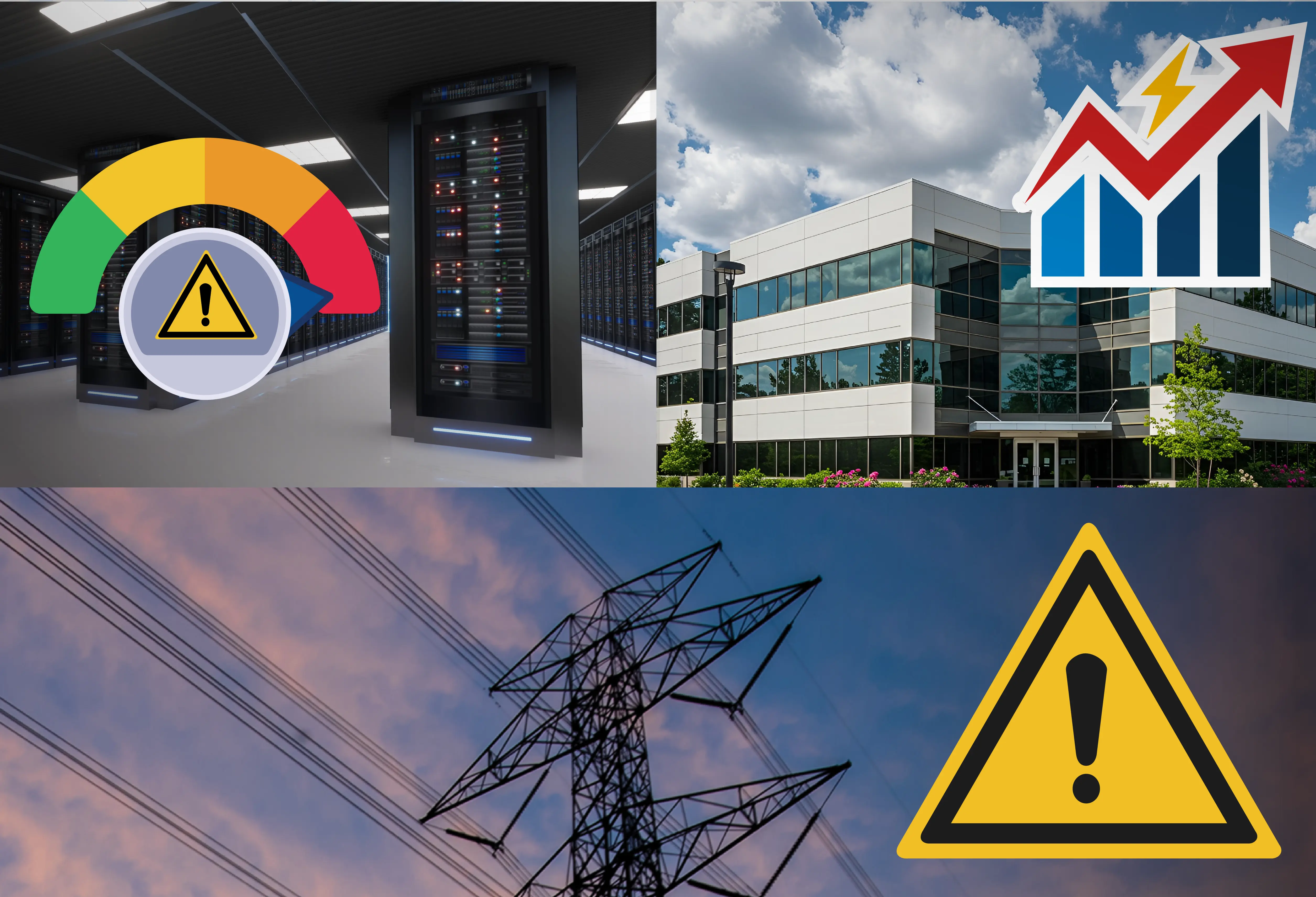
For years, the conversation around energy infrastructure has focused on how to build more —more transmission lines, more substations, more generation. But what if the real opportunity isn’t in building more, but in unlocking what already exists? The truth is, the grid’s biggest challenge isn’t just a lack of capacity. It’s a lack of utilization . Gigawatts of potential are stranded at the edge—behind the meter, inside buildings, and across distributed assets that remain invisible to the grid. As electrification and AI drive exponential energy demand, we’re entering a new era of grid planning. An era where speed, flexibility, and software-defined infrastructure matter more than traditional expansion timelines. And the most powerful tool in this new playbook? Virtual Power Plants (VPPs) made possible by intelligent edge platforms like the Power Router from DG Matrix. The Grid’s Bottleneck Isn’t Infrastructure — It’s Rigidity From a distance, the U.S. grid looks maxed out. New AI datacenters are requesting gigawatts of power. EV charging hubs are stressing local substations. And interconnection queues are backed up for years. But zoom in, and the story is different. A vast amount of capacity already exists. It’s just uncoordinated, underutilized, and locked behind outdated infrastructure . Take a typical commercial site. It might have solar, batteries, and smart building loads—but none of it is configured to support the broader grid. Even worse, it often operates in a silo, without visibility, standardization, or dispatchability. This isn’t just a technical problem—it’s a business problem. As energy demand becomes a constraint on economic growth, stranded capacity is becoming a multi-billion-dollar missed opportunity. What VPPs Unlock: A New Operating Model for the Grid Virtual Power Plants (VPPs) are software platforms that aggregate distributed energy resources (DERs) like solar, storage, EVs, and flexible loads into a single, dispatchable entity. When properly orchestrated, VPPs can: · Shift loads to off-peak hours · Balance grid frequency and voltage · Respond to market signals in real time · Operate independently during outages · Deliver resilience and savings for customers In essence, VPPs turn passive energy consumers into active grid participants. But here’s the catch: you can’t run a VPP without edge infrastructure that’s intelligent, secure, and programmable. That’s where DG Matrix comes in. The Power Router: Turning the Edge into a Grid Asset DG Matrix’s Power Router is a fundamentally new category of power infrastructure. It combines a complex architecture of power infrastructure into a single, software-defined solution . It works natively across both AC and DC, across multiple energy sources and loads, and enables real-time energy control with unmatched granularity. Here’s how the Power Router supercharges VPP deployment: · Edge Intelligence: Every unit makes local decisions based on real-time site conditions, market signals, and grid needs. · Multi-Port Flexibility: It seamlessly routes energy between solar, storage, the grid, loads, and more—no external conversion needed. · Standardized + Secure: Instead of bespoke integration, Power Routers are plug-and-play and designed to scale. · Software-Defined Functions: Customers can reconfigure energy behavior without changing hardware—critical for evolving sites. By deploying Power Routers across commercial, industrial, and datacenter sites, we create a network of programmable nodes —a distributed fabric of flexible, high-value energy infrastructure ready to support the grid. 100+ GW of Capacity, Hiding in Plain Sight According to DOE, RMI, and others, the U.S. could unlock between 80 to 200 GW of effective capacity by scaling VPPs. That’s more than 10% of peak load—and it could be achieved faster and more affordably than any major generation or transmission buildout. With the right edge hardware and software stack: · Distributed assets become visible and controllable · New capacity is delivered without massive infrastructure upgrades · Customers monetize assets they already own · Grid operators gain new levers for balancing and resiliency This isn’t science fiction. It’s already happening—with DG Matrix at the center of it. Conclusion: The Future of the Grid Starts at the Edge In an era of accelerating demand and intensifying constraints, the grid needs more than just new capacity—it needs new intelligence . By turning the edge into an orchestrated, responsive, and resilient layer of infrastructure, we can deliver the flexibility needed to support AI, electrification, and economic growth—all without waiting years for traditional upgrades. The DG Matrix Power Router isn’t just a product—it’s a platform. A building block for a new kind of grid. One that’s decentralized, agile, and designed to scale. Speed. Flexibility. Intelligence. That’s how we unlock the invisible grid. And that’s the future DG Matrix is building—one Power Router at a time.
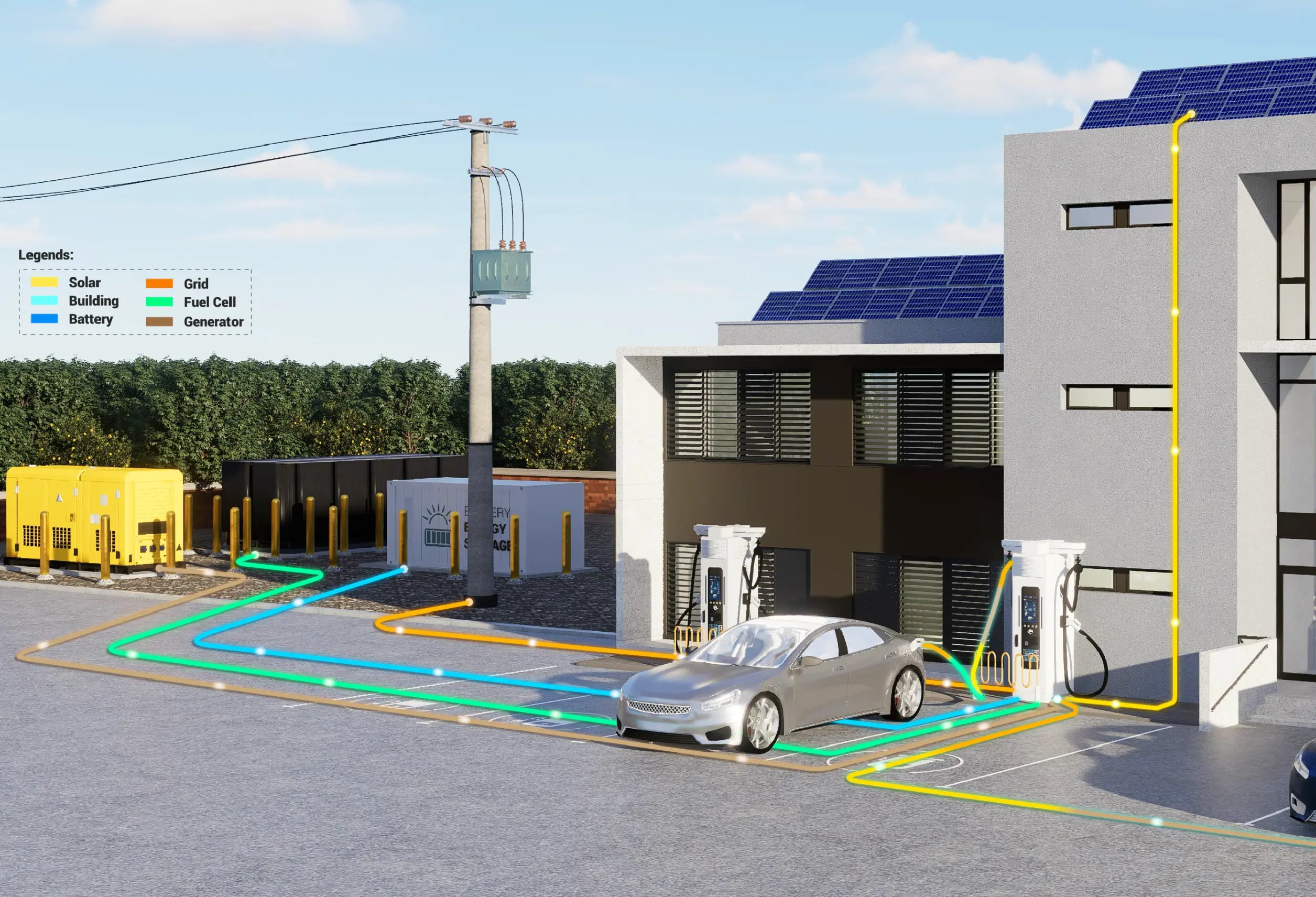
For years, the conversation around energy infrastructure has focused on how to build more—more transmission lines, more substations, more generation. But what if the real opportunity isn’t in building more, but in unlocking what already exists? The truth is, the grid’s biggest challenge isn’t just a lack of capacity. It’s a lack of utilization. Gigawatts of potential are stranded at the edge—behind the meter, inside buildings, and across distributed assets that remain invisible to the grid. As electrification and AI drive exponential energy demand, we’re entering a new era of grid planning. An era where speed, flexibility, and software-defined infrastructure matter more than traditional expansion timelines. And the most powerful tool in this new playbook? Virtual power plants (VPPs), made possible by intelligent edge platforms like the Power Router from DG Matrix. The Grid’s Bottleneck Isn’t Infrastructure — It’s Rigidity From a distance, the U.S. grid looks maxed out. New AI datacenters are requesting gigawatts of power. EV charging hubs are stressing local substations. And interconnection queues are backed up for years. But zoom in, and the story is different. A vast amount of capacity already exists. It’s just uncoordinated, underutilized, and locked behind outdated infrastructure. Take a typical commercial site: it might have solar, batteries, and smart building loads—but none of it is configured to support the broader grid. Even worse, it often operates in a silo, without visibility, standardization, or dispatchability. This isn’t just a technical problem—it’s a business problem. As energy demand becomes a constraint on economic growth, stranded capacity is becoming a multi-billion-dollar missed opportunity. What VPPs Unlock: A New Operating Model for the Grid Virtual Power Plants (VPPs) are software platforms that aggregate distributed energy resources (DERs)—like solar, storage, EVs, and flexible loads—into a single, dispatchable entity. When properly orchestrated, VPPs can: Shift loads to off-peak hours Balance grid frequency and voltage Respond to market signals in real time Operate independently during outages Deliver resilience and savings for customers In essence, VPPs turn passive energy consumers into active grid participants. But here’s the catch: you can’t run a VPP without edge infrastructure that is intelligent, secure, and programmable. That’s where DG Matrix comes in.
