
Expert perspectives on AI data center power, grid modernization, fleet electrification, and the technologies reshaping mission-critical infrastructure.
Get the latest news, event invitations, and exclusive insights delivered directly to your inbox.
For press releases, interviews, media kits, or collaboration opportunities, our communications team is here to help.
Financial Strategy for AI-Ready Power Infrastructure Peter Sopher, Chief Financial Officer at DG Matrix, shares his perspective on the rapid transformation of energy infrastructure driven by artificial intelligence, electrification, and digital innovation. He explains how financial strategy, technology investment, and infrastructure modernization work together to support the commercialization of next-generation power solutions, including the Interport™ multi-port solid-state transformer platform. Scaling Interport™ Multi-Port Solid-State Transformer (SST) Commercialization The article explores how AI data centers, grid modernization, and distributed energy systems are creating unprecedented demand for intelligent power infrastructure. Peter Sopher discusses the importance of scalable business models, strategic partnerships, and long-term investment in technologies that enable faster deployment, greater energy efficiency, and resilient power delivery for modern enterprises. Why AI Infrastructure Growth Requires Strategic Power Investment As organizations invest in AI infrastructure and electrification, financial leadership plays a critical role in accelerating innovation. This article highlights how DG Matrix combines technology leadership with strategic financial planning to support sustainable growth and deliver intelligent energy infrastructure for the AI era. Tags Peter Sopher CFO AI Data Centers Electrification Interport Multi-Port Solid-State Transformer (SST) Energy Infrastructure Financial Strategy Strategic Partnerships Infrastructure Modernization Software-Defined Power
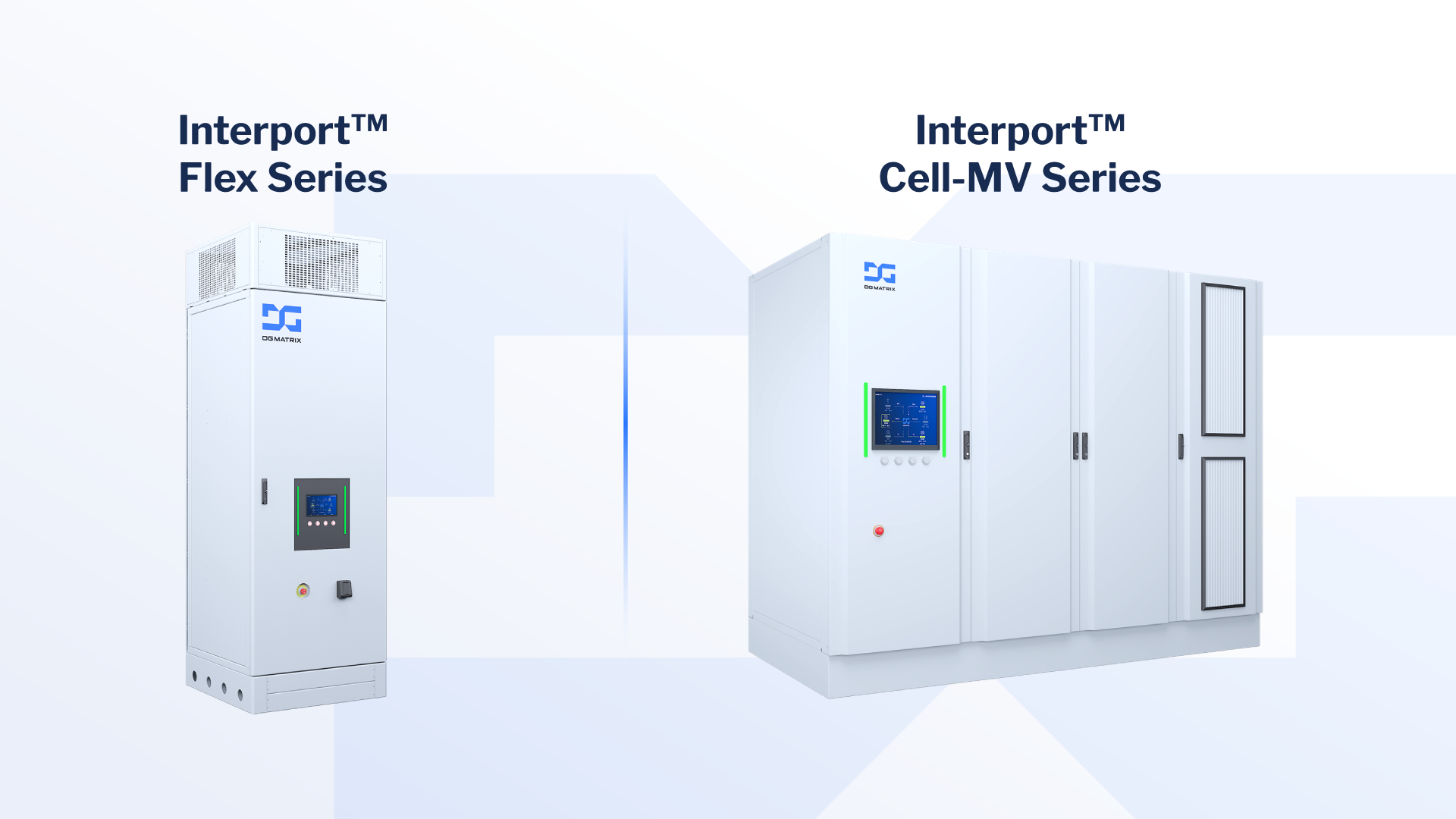
Why Solid-State Transformers Are Finally Ready for Scale Solid-state transformers (SSTs) have long been viewed as a promising technology for modernizing electrical infrastructure. This article explains why advancements in power electronics, semiconductor technology, and growing demand for AI infrastructure have finally created the conditions for commercial deployment of multi-port solid-state transformers. Interport™ Multi-Port SST for AI Data Centers, DERs, and Fleet Electrification The article examines the evolution of solid-state transformer technology and the factors driving widespread adoption, including AI data center growth, grid modernization, distributed energy resources, and fleet electrification. It also explains how the Interport™ platform delivers software-defined power management, intelligent energy routing, and faster infrastructure deployment compared with traditional transformer architectures. Commercializing Software-Defined Power for Next-Generation Energy Systems As global electricity demand continues to increase, utilities and enterprises require more flexible, efficient, and intelligent power systems. The commercialization of solid-state transformers represents a significant milestone in building scalable energy infrastructure capable of supporting the next generation of AI computing and electrification. Tags Solid-State Transformer (SST) Multi-Port Solid-State Transformer Interport AI Data Centers Power Electronics Semiconductor Technology Grid Modernization Distributed Energy Resources (DERs) Fleet Electrification Software-Defined Power
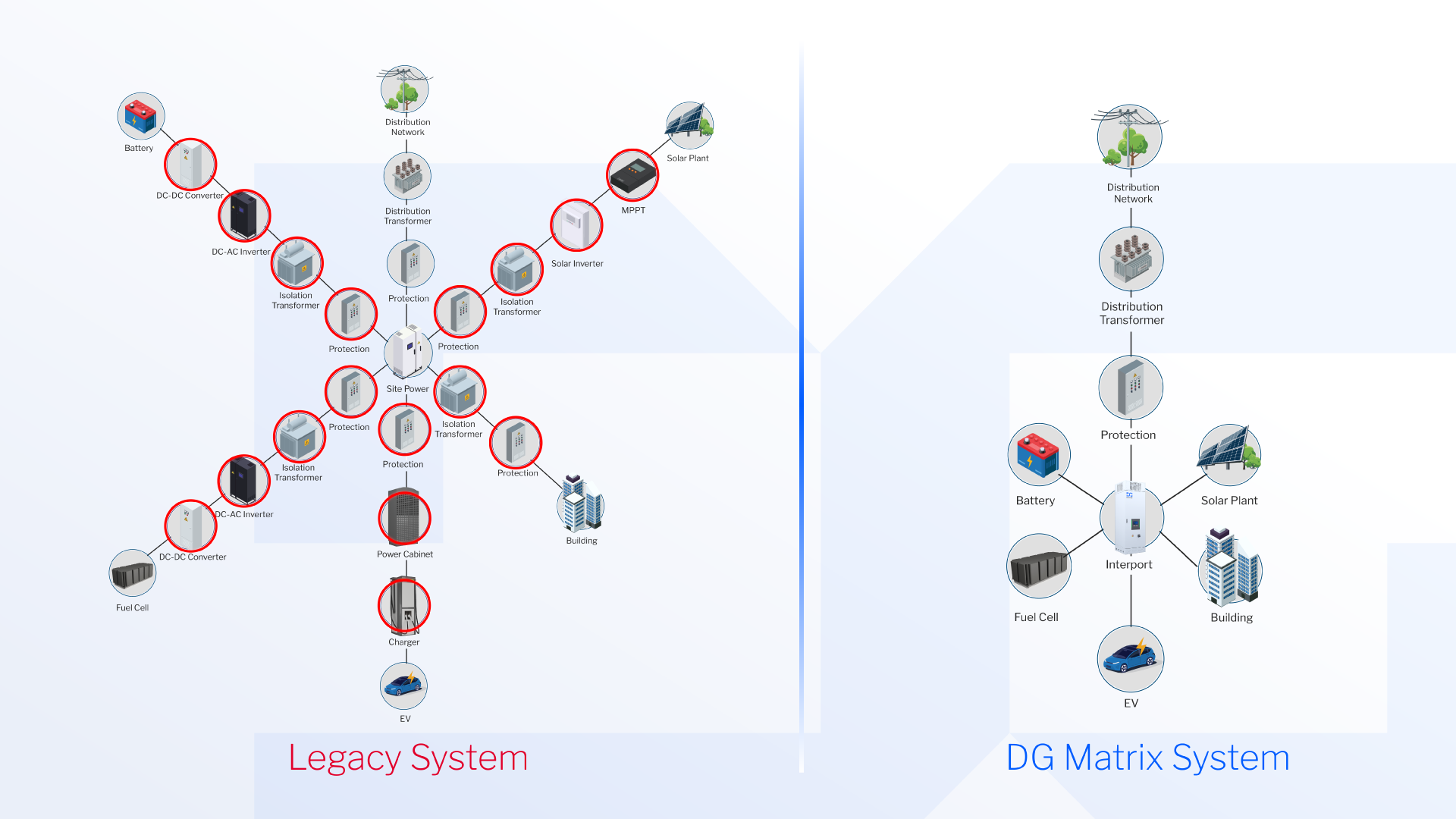
From One-Off Electrical Projects to a Programmable Power Platform Traditional power infrastructure is often designed as a collection of standalone components built for a single project. This article introduces the concept of a programmable power operating system that standardizes energy infrastructure through intelligent hardware and software-defined control. Interport™ Integration of Grid Power, Battery Storage, Renewables, and DERs The article explains how the Interport™ platform transforms multiple power devices into a unified, software-controlled energy platform capable of integrating grid power, battery storage, renewable energy, and distributed energy resources. This modular architecture reduces deployment complexity while allowing organizations to adapt as energy requirements evolve. Standardizing Energy Infrastructure for AI Data Centers and Industrial Power Programmable power infrastructure enables faster deployment, lower operating costs, and greater flexibility than traditional one-off electrical systems. This approach helps organizations modernize their energy infrastructure while supporting AI data centers, industrial facilities, and commercial electrification projects. Tags Power Operating System Programmable Power Software-Defined Energy Infrastructure Interport Grid Power Battery Storage Renewable Energy Distributed Energy Resources (DERs) AI Data Centers Modular Energy Systems
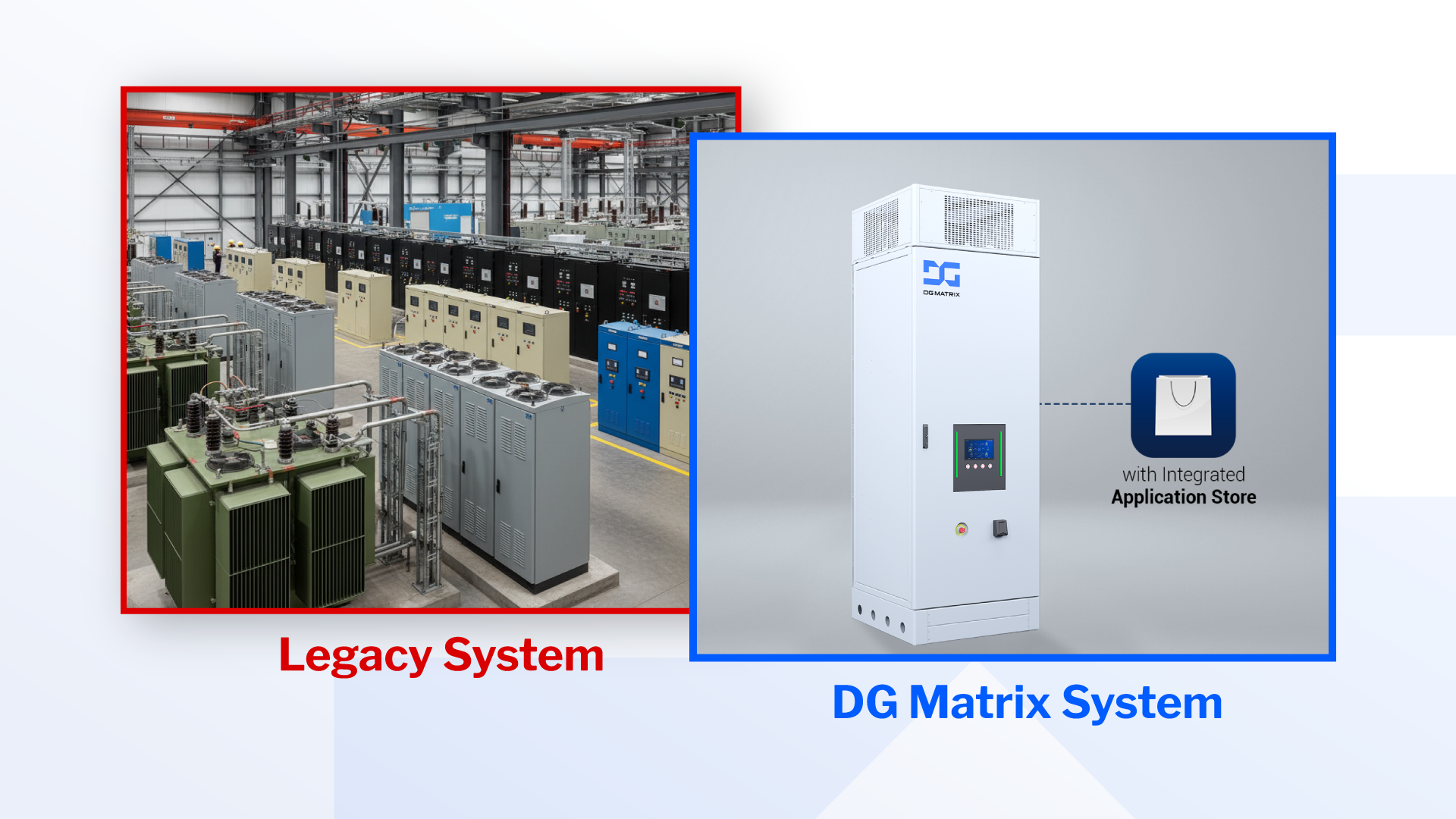
Building a Platform for Energy Infrastructure, Not a Single-Use Product This article explores how DG Matrix applies the principles of software platforms to energy infrastructure. Instead of building custom electrical systems for every project, the company has developed the Interport™ platform to support multiple applications through a standardized, software-defined architecture. Programmable Power Systems for AI Data Centers, Microgrids, EV Charging, and DERs Using the App Store analogy, the article explains how programmable power systems can replace multiple traditional electrical devices with a single intelligent platform. Organizations can deploy the same infrastructure across AI data centers, microgrids, EV charging, and distributed energy projects while adapting functionality through software rather than replacing hardware. Why Platform-Based Energy Infrastructure Improves Scalability and Flexibility Platform-based energy infrastructure improves scalability, simplifies deployment, and supports future innovation. By applying software principles to power systems, DG Matrix enables customers to build flexible energy ecosystems capable of evolving alongside advances in AI, electrification, and digital infrastructure. Tags Energy Platform App Store Model for Energy Interport Software-Defined Power Programmable Power Systems AI Data Centers Microgrids EV Charging Distributed Energy Resources (DERs) Energy Ecosystem
AI Data Center Growth and the Power Infrastructure Bottleneck Artificial intelligence is driving an unprecedented increase in demand for data center capacity, creating new challenges for electrical infrastructure. This article explains how DG Matrix addresses these challenges by accelerating power deployment and supporting scalable AI-ready energy systems. Interport™ SST for Behind-the-Meter Power and High-Density Distribution The article discusses the limitations of conventional grid infrastructure, utility interconnection timelines, and traditional electrical architectures. It explains how the Interport™ multi-port solid-state transformer platform enables behind-the-meter power, software-defined energy management, and high-density power distribution to reduce deployment delays and improve operational efficiency. Reducing Time-to-Power with AI-Ready Software-Defined Energy Systems Power availability has become one of the biggest constraints on AI growth. Faster, more intelligent energy infrastructure enables organizations to deploy AI data centers more efficiently while supporting long-term scalability, energy resilience, and sustainable digital transformation. Tags AI Data Centers AI Infrastructure Time-to-Power Behind-the-Meter Power Interport Multi-Port Solid-State Transformer (SST) High-Density Power Distribution Grid Constraints Software-Defined Energy Energy Resilience
Why Energy Availability Is Now a Strategic Business Priority Energy has become a strategic business priority rather than simply an operational expense. This article explores how organizations must align their energy strategy with business objectives to support AI infrastructure, digital transformation, and long-term growth. As electricity demand continues to rise, companies that invest in resilient and intelligent energy systems gain a competitive advantage. Interport™ Integration of Grid Power, DERs, Battery Storage, and Renewables The article explains how energy availability, infrastructure scalability, and software-defined power directly influence business continuity, operational efficiency, and expansion plans. It highlights the role of the DG Matrix Interport™ multi-port solid-state transformer platform in integrating grid power, distributed energy resources, battery storage, and renewable energy into a flexible, intelligent energy ecosystem. Turning Energy Infrastructure into a Competitive Advantage Organizations investing in AI, manufacturing, logistics, and commercial operations require energy strategies that evolve alongside business needs. By treating energy as a strategic asset rather than a utility expense, businesses can accelerate innovation, improve resilience, and reduce long-term infrastructure costs while preparing for the future of electrification. Tags Energy Strategy Business Strategy AI Infrastructure Electrification Interport Multi-Port Solid-State Transformer (SST) Distributed Energy Resources (DERs) Battery Storage Renewable Energy Energy Resilience Business Continuity
Why Energy OEMs Need Interoperable, Software-First Interfaces The energy industry is undergoing a transformation as software-defined infrastructure replaces traditional hardware-centric systems. This article examines why original equipment manufacturers (OEMs) need a modern interface that enables intelligent communication, interoperability, and software-driven energy management across increasingly complex power systems. Interport™ Platform for Utility, Renewable, Battery, EV, and AI Data Center Integration Traditional electrical equipment often operates as isolated components with limited flexibility. The article explains how programmable platforms like the DG Matrix Interport™ create a unified interface that simplifies integration between utilities, renewable energy sources, battery storage, EV charging infrastructure, and AI data centers. This software-first approach enables faster deployment, easier upgrades, and improved operational visibility. Improving Energy System Visibility, Upgrades, and Long-Term Performance Future-ready energy infrastructure depends on interoperability and intelligent control rather than isolated hardware devices. Modern interfaces allow OEMs, utilities, and enterprise customers to deploy scalable energy systems that adapt to evolving technologies while improving efficiency, reliability, and long-term performance. Tags Energy OEMs Software-Defined Infrastructure Interoperability Interport Programmable Energy Platform Utilities Renewable Energy Battery Storage EV Charging AI Data Centers Energy Management
.png)
Why Distributed Energy Is the Future of Grid Capacity Growing demand from artificial intelligence, electrification, and digital infrastructure is placing unprecedented pressure on electrical grids worldwide. This article explores how distributed energy resources can unlock additional grid capacity while improving resilience and accelerating infrastructure deployment. BESS, Microgrids, and Intelligent Power Routing for AI and Electrification The article discusses the increasing role of distributed generation, battery energy storage systems (BESS), microgrids, and intelligent power routing in supporting future electricity demand. The DG Matrix Interport™ platform enables seamless integration of multiple AC and DC energy sources, helping organizations optimize energy flows while reducing dependence on large-scale centralized infrastructure. Interport™ Integration of AC and DC Energy Sources for Grid Flexibility Meeting future electricity demand will require more than expanding traditional utility infrastructure. Distributed energy provides a practical path toward greater grid flexibility, faster deployment, and improved energy resilience, supporting AI data centers, industrial facilities, commercial campuses, and electrified transportation networks. Tags Distributed Energy Resources (DERs) Grid Capacity Battery Energy Storage Systems (BESS) Microgrids Intelligent Power Routing Interport AC and DC Power AI Data Centers Grid Flexibility Energy Resilience
Connecting Power Demand and Deployment Speed with Bridge Power One of the greatest challenges facing AI infrastructure and electrification projects is the growing gap between power demand and infrastructure availability. This article explores how bridge power solutions help organizations deploy critical operations while permanent utility upgrades are being completed. Modular Energy Systems with Distributed Generation, Battery Storage, and Interport™ The article explains how modular energy systems, distributed generation, battery storage, and intelligent power conversion enable temporary yet scalable energy solutions. The DG Matrix Interport™ platform supports rapid deployment by integrating multiple energy sources into a unified, software-defined architecture that delivers reliable power during infrastructure expansion. Reducing Time-to-Power for AI Data Centers and Industrial Facilities Reducing time-to-power has become a critical success factor for AI data centers, commercial developments, and industrial facilities. Bridge power solutions enable organizations to begin operations sooner, reduce project delays, and maintain business continuity while transitioning to permanent energy infrastructure. Tags Bridge Power Time-to-Power AI Infrastructure AI Data Centers Modular Energy Systems Distributed Generation Battery Storage Interport Software-Defined Power Utility Interconnection Business Continuity
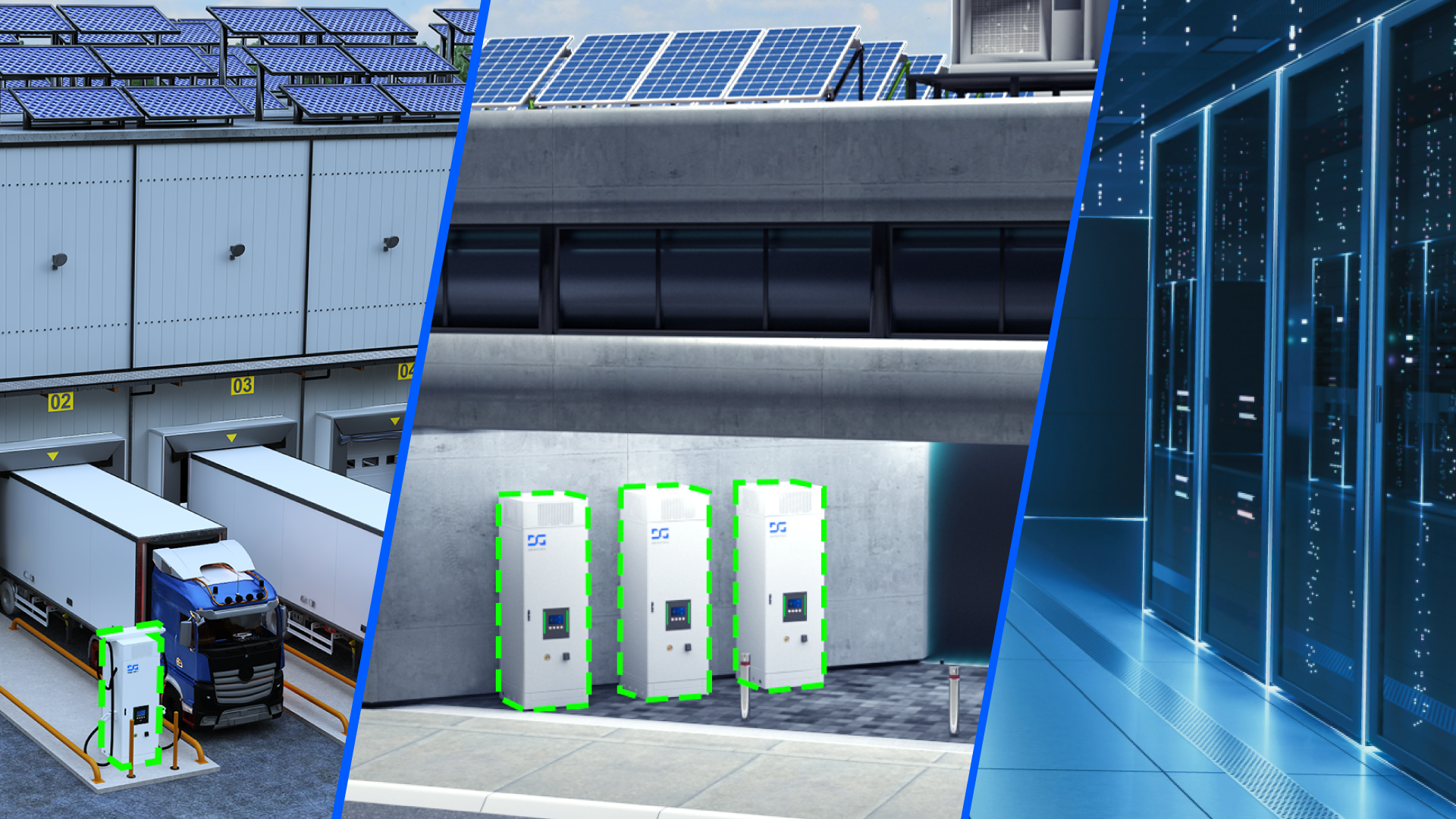
How Software-Defined Power Gives EPCs a Faster Energy Infrastructure Foundation Engineering, Procurement, and Construction (EPC) firms play a critical role in delivering modern energy infrastructure, but growing demand for AI data centers, electrification, and distributed energy is reshaping project requirements. This article explores how the DG Matrix Interport™ platform helps EPCs simplify complex power system designs, accelerate project delivery, and build scalable energy infrastructure that meets the evolving needs of customers. Consolidating Power Conversion, BESS, Renewables, EV Charging, and Grid Integration The article explains how conventional electrical infrastructure often requires multiple standalone components, resulting in longer engineering cycles, increased installation complexity, and higher project costs. By consolidating power conversion, intelligent energy routing, and integration of grid power, battery energy storage systems (BESS), renewable energy, and EV charging into a single software-defined platform, Interport™ enables EPCs to reduce design complexity while improving flexibility and deployment speed. This standardized approach also helps simplify commissioning and supports future expansion without requiring major infrastructure redesigns. Reducing EPC Project Complexity for Resilient, Future-Ready Power Systems As AI infrastructure, grid modernization, and commercial electrification projects continue to grow in scale and complexity, EPC firms need technologies that reduce project risk while accelerating time to deployment. The DG Matrix software-defined power architecture provides EPCs with a smarter foundation for delivering resilient, efficient, and future-ready energy systems. By streamlining project execution and enabling flexible integration of emerging energy technologies, EPCs can improve customer outcomes, shorten delivery timelines, and support the transition to intelligent energy infrastructure. Tags EPCs Engineering Procurement and Construction Interport Software-Defined Power AI Data Centers Electrification Distributed Energy Battery Energy Storage Systems (BESS) Renewable Energy EV Charging Grid Integration
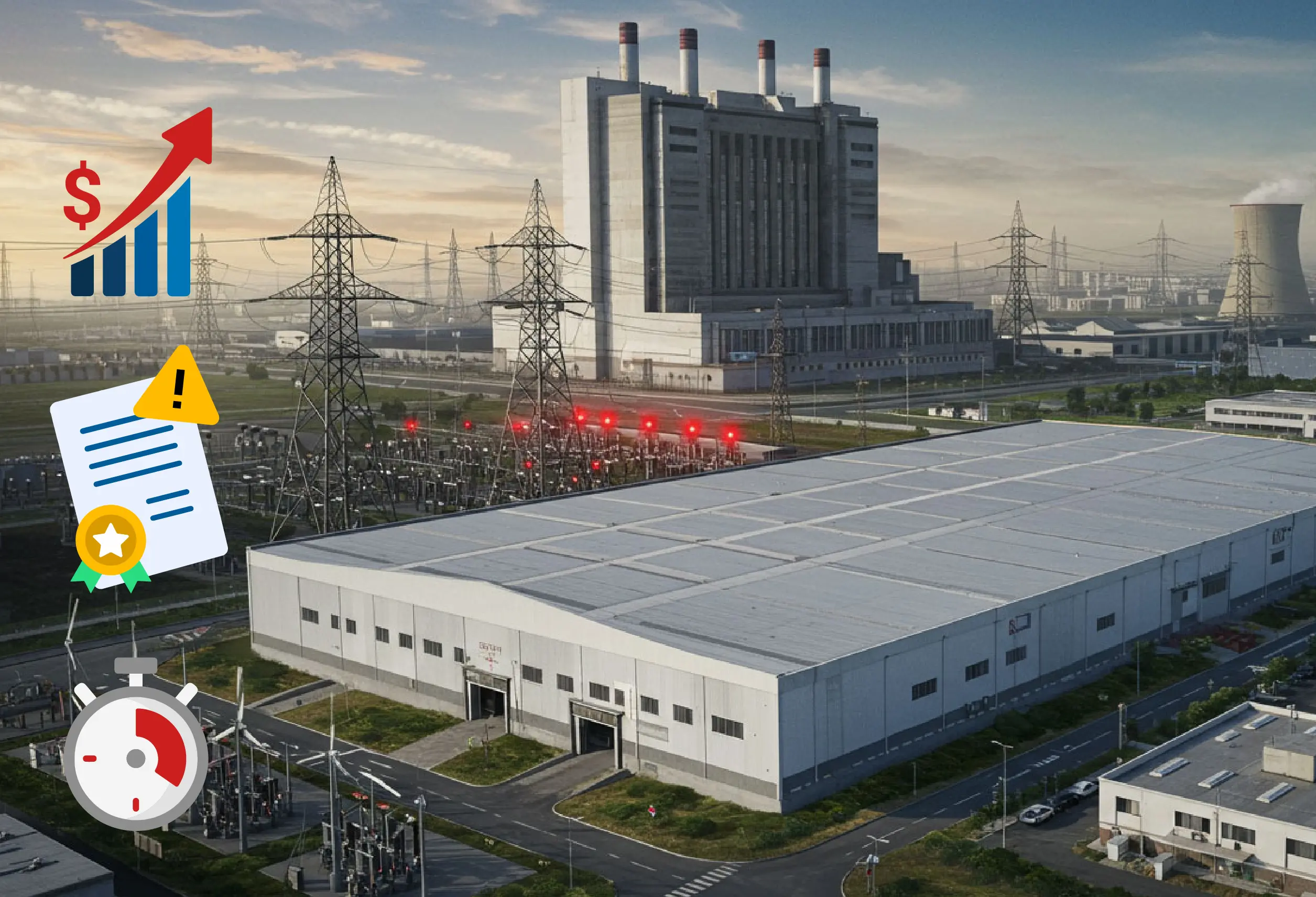
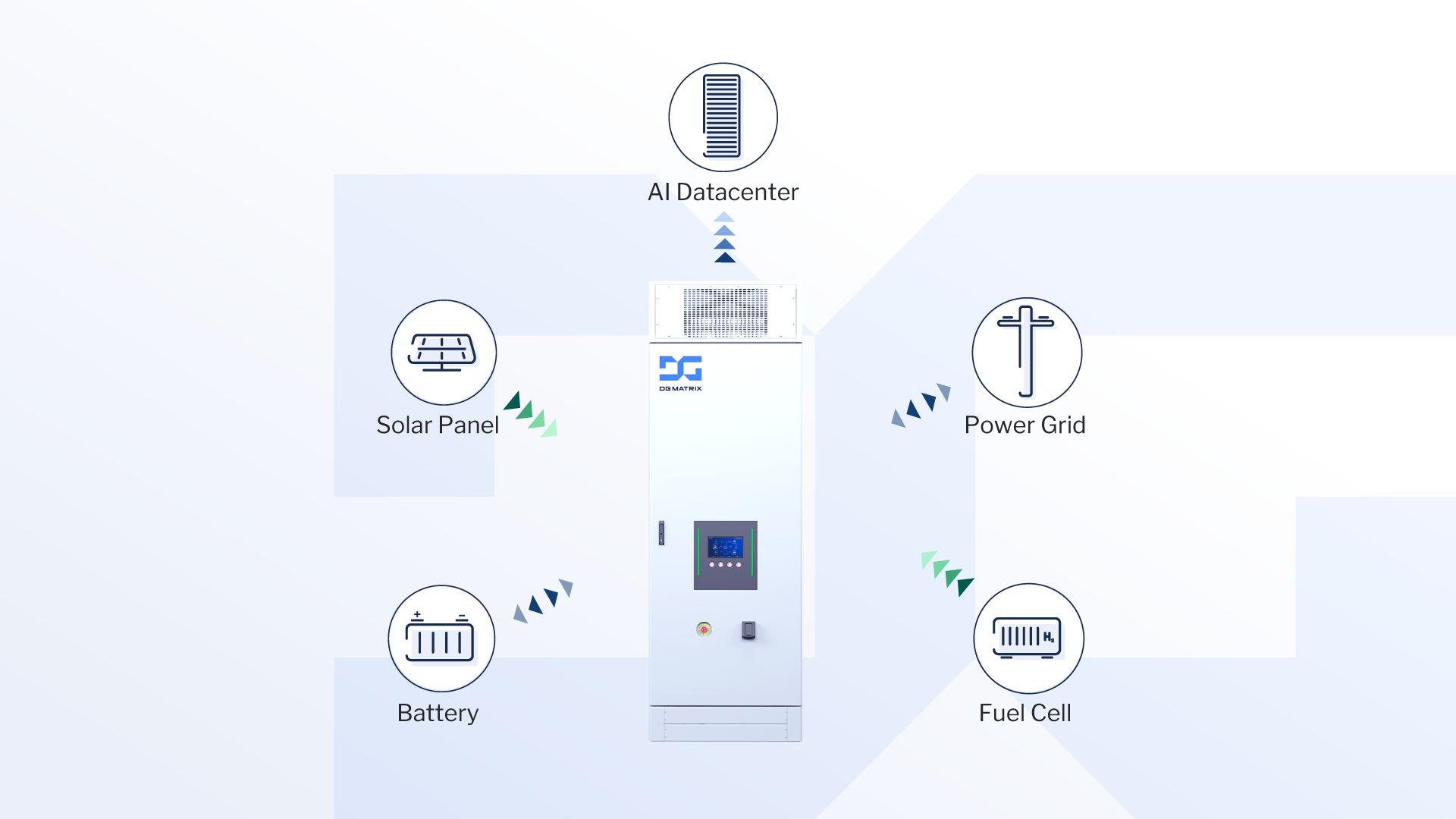
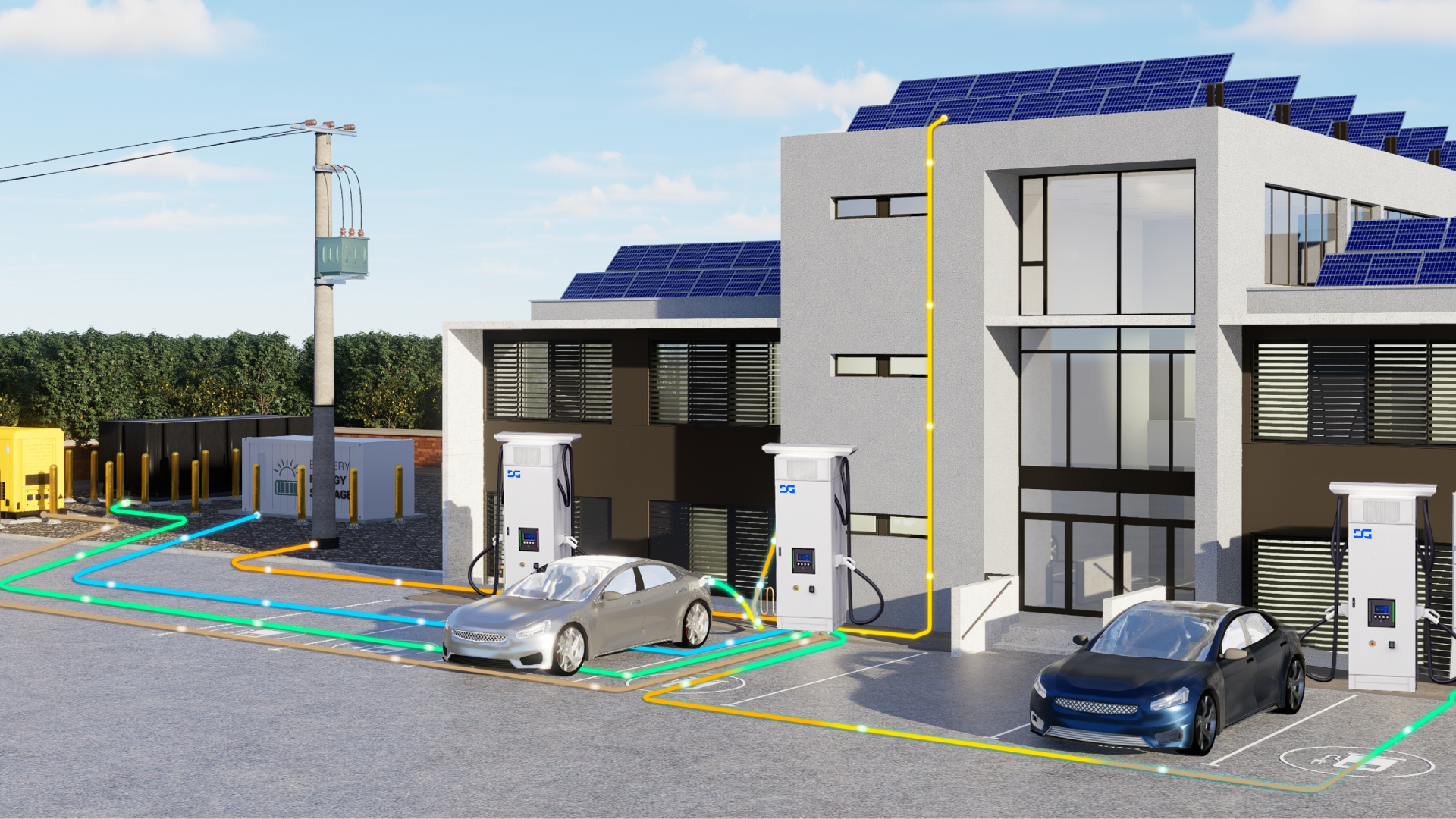
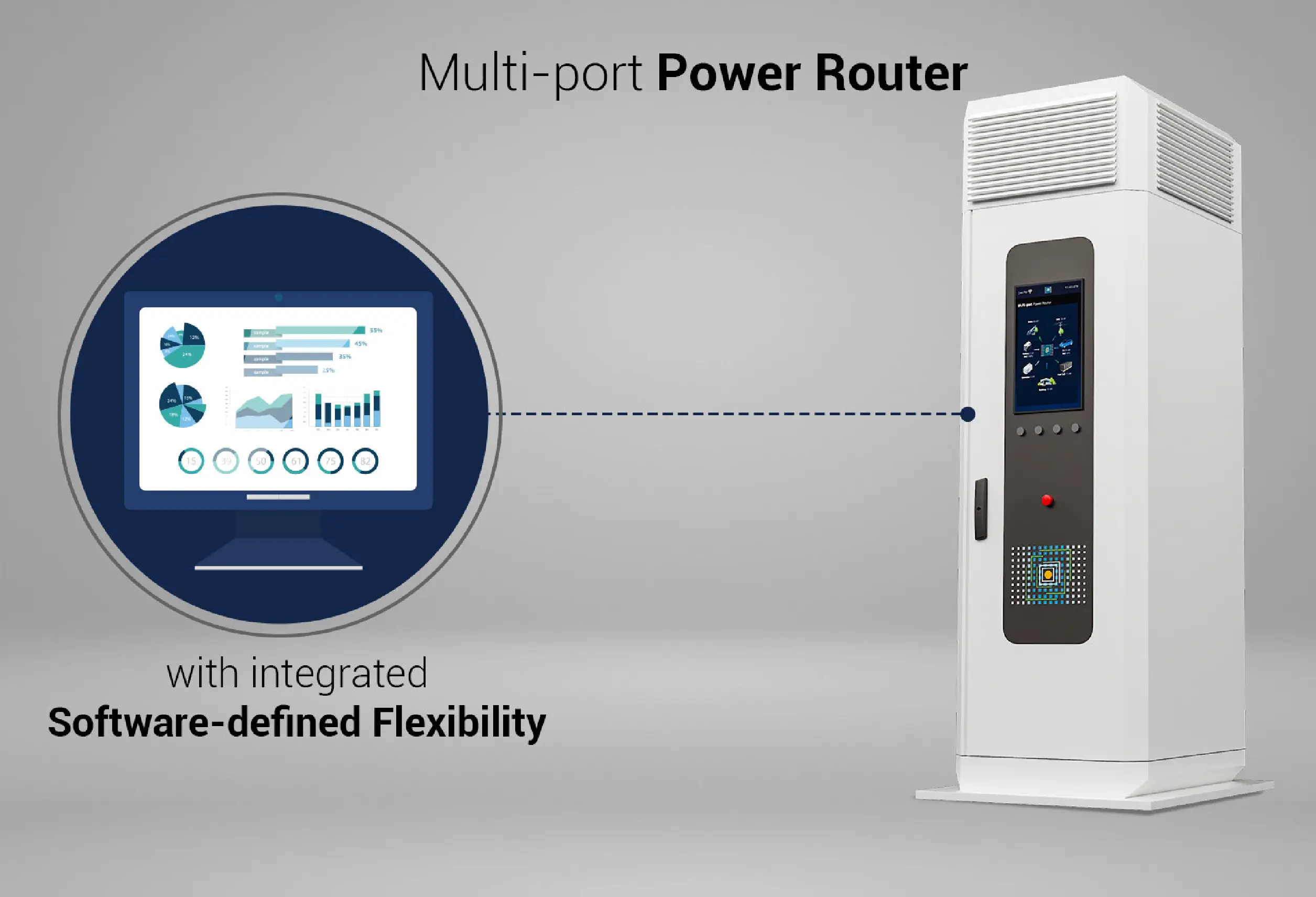
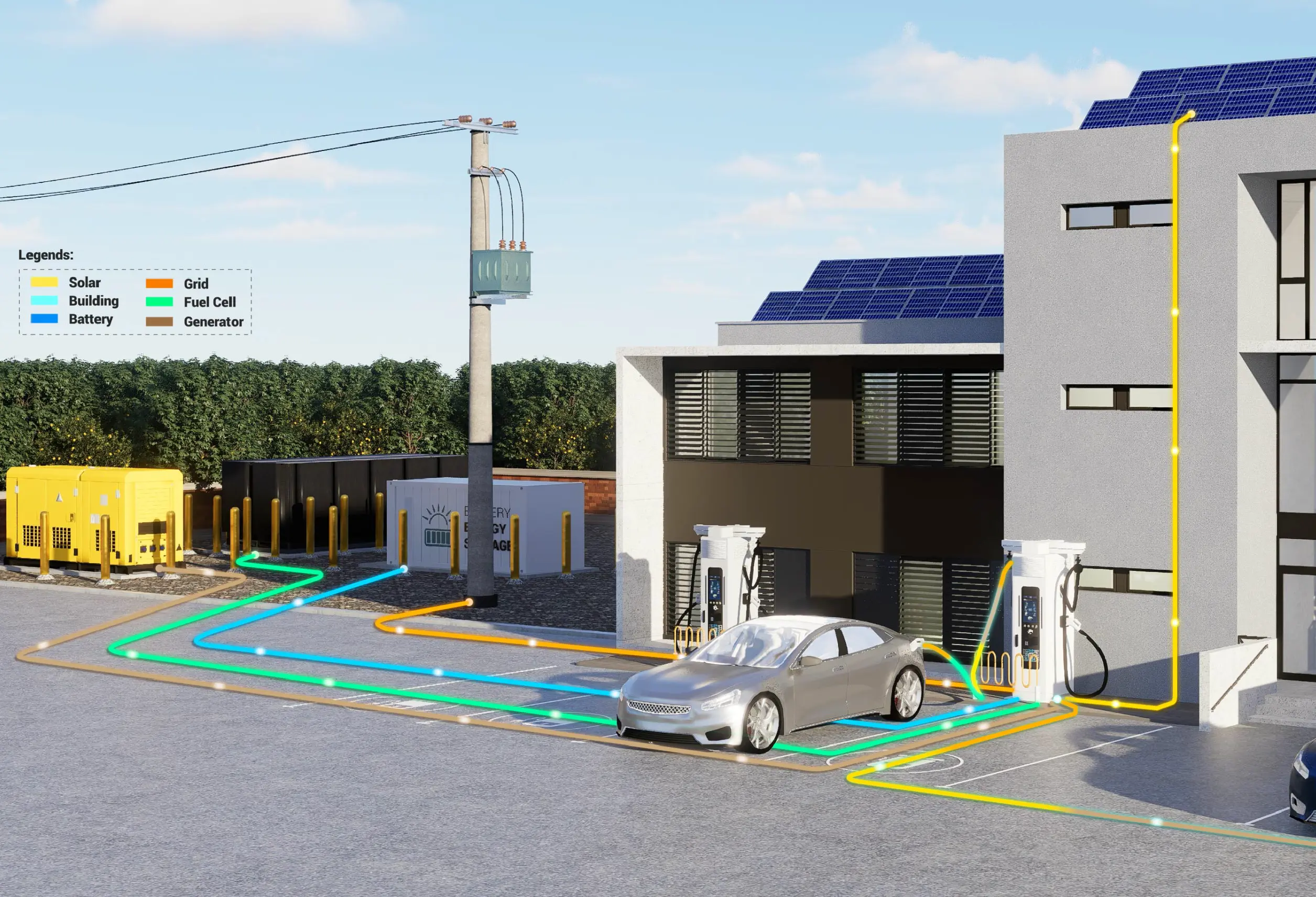
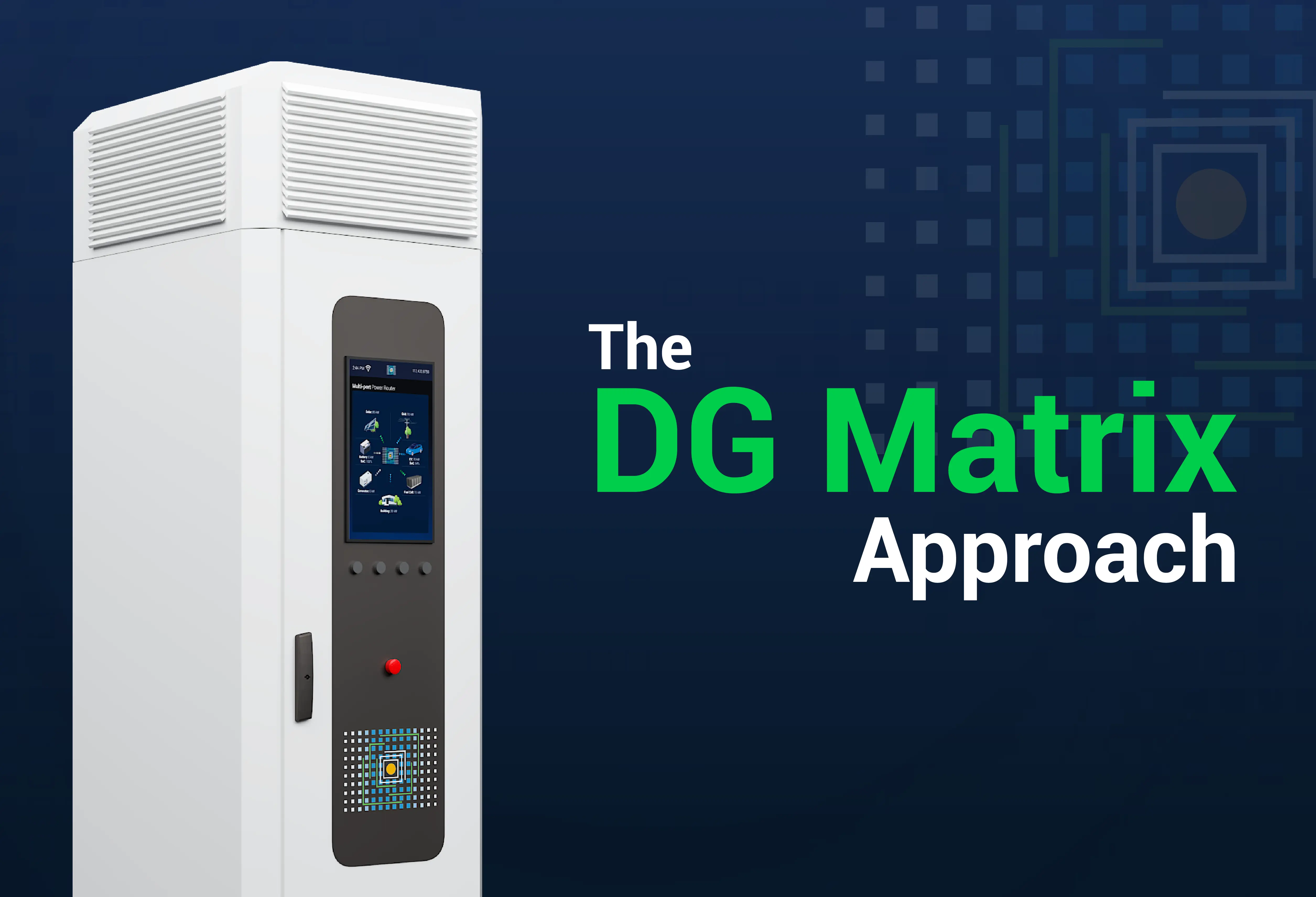
The Next Phase of Electrification Industries worldwide are shifting to electric operations in facilities, data centers, and logistics. The constraint is not only demand—it is speed to power, scale, and adaptability. Traditional centralized infrastructure that takes decades to build cannot meet today’s timelines. Artificial intelligence (AI) data centers demand huge amounts of energy on short notice, and factories are shifting to all-electric processes. The path forward is modular, distributed, and programmable power at the edge—right where it is needed. Why Centralized Models Fall Short Legacy models depend on long permitting cycles, utility interconnection queues, and major transmission projects. These take years, while businesses need to energize in months. Upgrades to substations, feeders, and lines can stretch deployments to 24–60 months. Fixed, centralized designs struggle to adapt when demand shifts or new technologies arrive. Capacity is often stranded upstream, while load centers face bottlenecks—raising cost and risk. A Better Model: Modular, Programmable, and Distributed Power Distributed systems reverse the equation. Pre-engineered blocks, placed near the load, energize sites faster and reduce dependence on upstream upgrades. Local capacity improves resiliency during grid stress or outages. Modular hardware scales one block at a time and helps avoid large one-way capital bets. The next terawatt of useful capacity comes from intelligent systems at the edge—not wires alone. The Platform Behind Distributed Power DG Matrix builds this approach on a multi-port, solid-state transformer (SST) foundation. Energy/Power Router consolidates many conversion stages into one programmable platform that connects grid, solar, storage, generation, electric vehicle (EV) charging, and critical loads through configurable ports. Software activates and evolves functions over time, including dynamic power sharing, demand-charge mitigation, time-of-use optimization, grid-forming operation, and seamless islanding. Together, these capabilities turn each site into a controllable node of a broader power operating system.
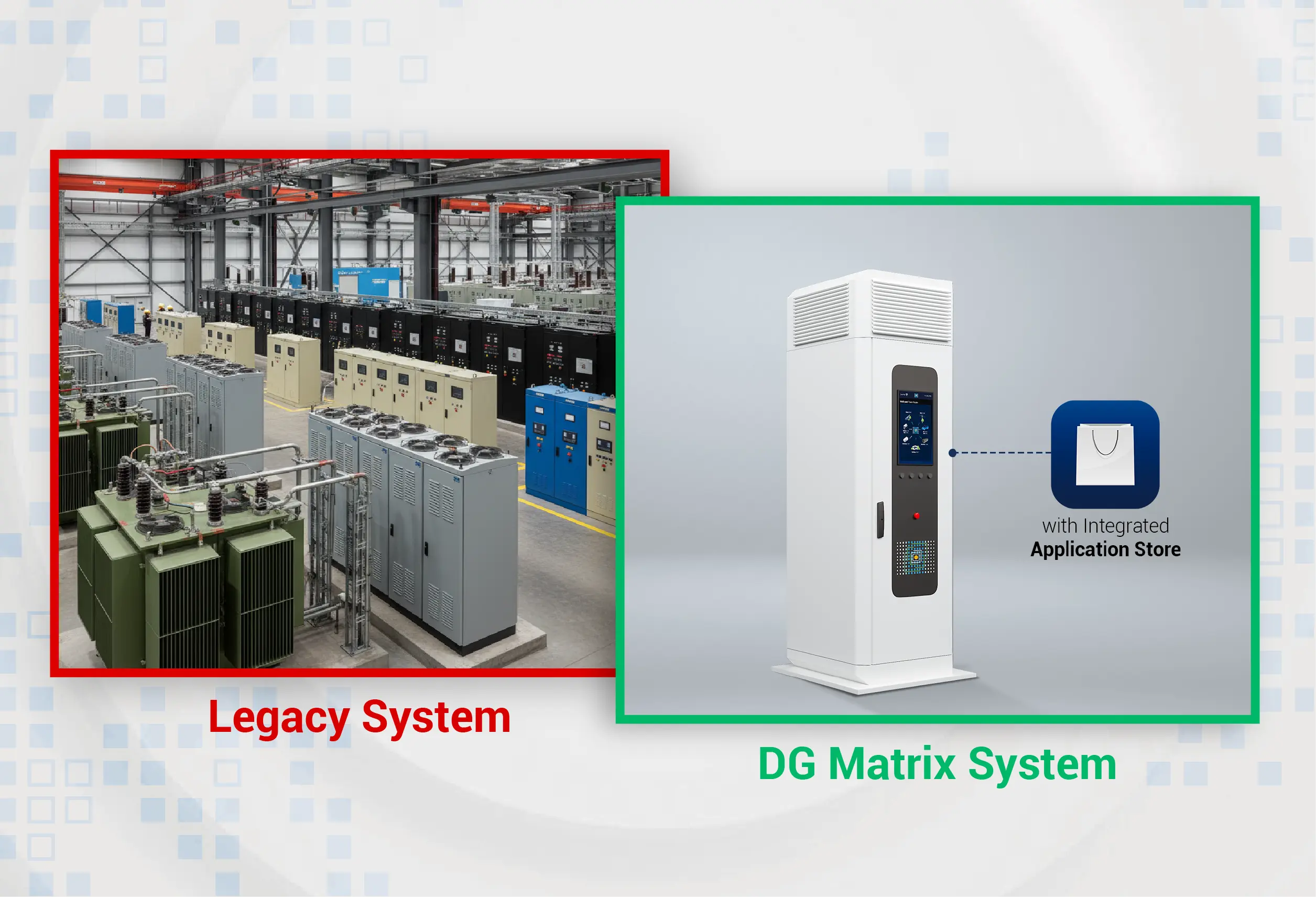
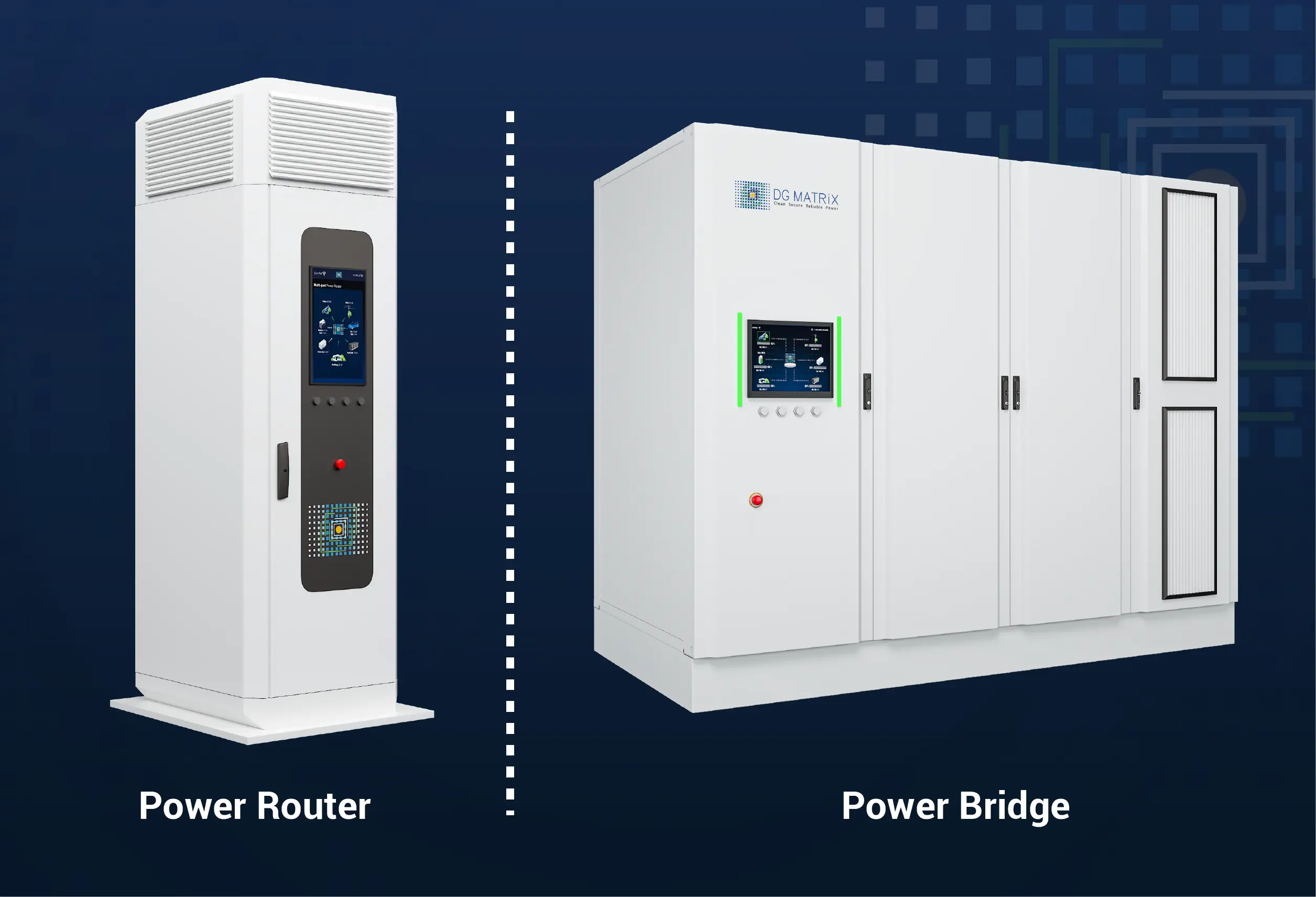
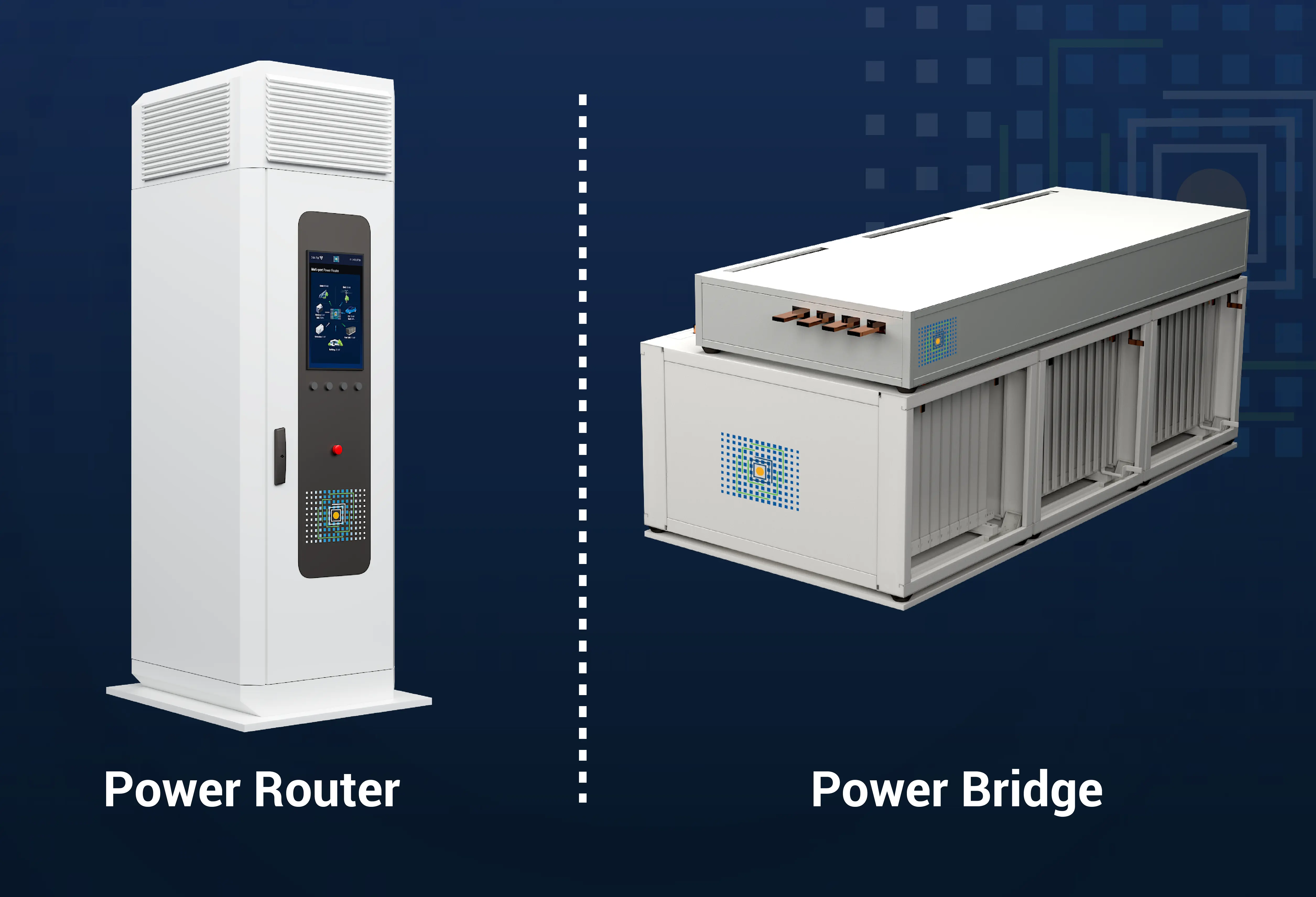
Power projects are often built as rigid, one-off stacks of transformers, rectifiers, switchgear, uninterruptible power supply (UPS) systems, and controls—unable to keep pace with AI-era demand. A better model is a power operating system: standardized hardware with software-defined adaptability that deploys quickly, evolves over time, and transforms distributed energy resources (DERs) into a controllable, revenue-generating fleet. DG Matrix drives this shift—“not just a product, a platform”—anchored in a multi-port solid-state transformer (SST). Definition of a Power Operating System A “Power Operating System” combines three layers: A Scalable System Architecture: One platform spans multiple use cases—electric vehicle (EV) hubs, buildings, microgrids, and especially AI-data centers—so teams can standardize designs, processes, and spares globally. A Software Layer: Features like dynamic-power sharing, demand-charge mitigation, time-of-use (TOU) optimization, and grid services are activated and evolved in software—the “App Store” model for energy. Value grows after installation as new functions roll out. A Universal Power Engine: The DG Matrix Energy/Power Router is an SST that natively aggregates multiple alternating current (AC) and direct current (DC) sources and loads in a single device, with bi-directional, grid-forming and grid-following capabilities, with galvanic isolation and programmable ports. This consolidation collapses many discrete boxes into one controllable platform. From Projects to Standardized Solutions The bottleneck is no longer graphics processing units (GPUs) but rather grid upgrades that take years. DG Matrix solves this by delivering modular, behind-the-meter capacity—integrating on-site sources, storage, and load—to avoid upstream upgrades and cut timelines from years to months. DG Matrix packages this as a data center-ready stack: Energy/Power Router: the site’s “power computer,” orchestrating grid, solar, fuel cells, gensets, and mission-critical loads.Power Bridge: brings medium-voltage to the rack to cut conversion steps and free white space. Conclusion The future of electrification—and AI-data-center power in particular—won’t be won by stacking more boxes. It will be won by standardized, software-defined power platforms that deploy quickly, evolve continuously, and turn edge assets into a coordinated, monetizable fleet. That’s what DG Matrix means by a power operating system—and why moving from one-off projects to a programmable platform is the decisive advantage in the AI decade.
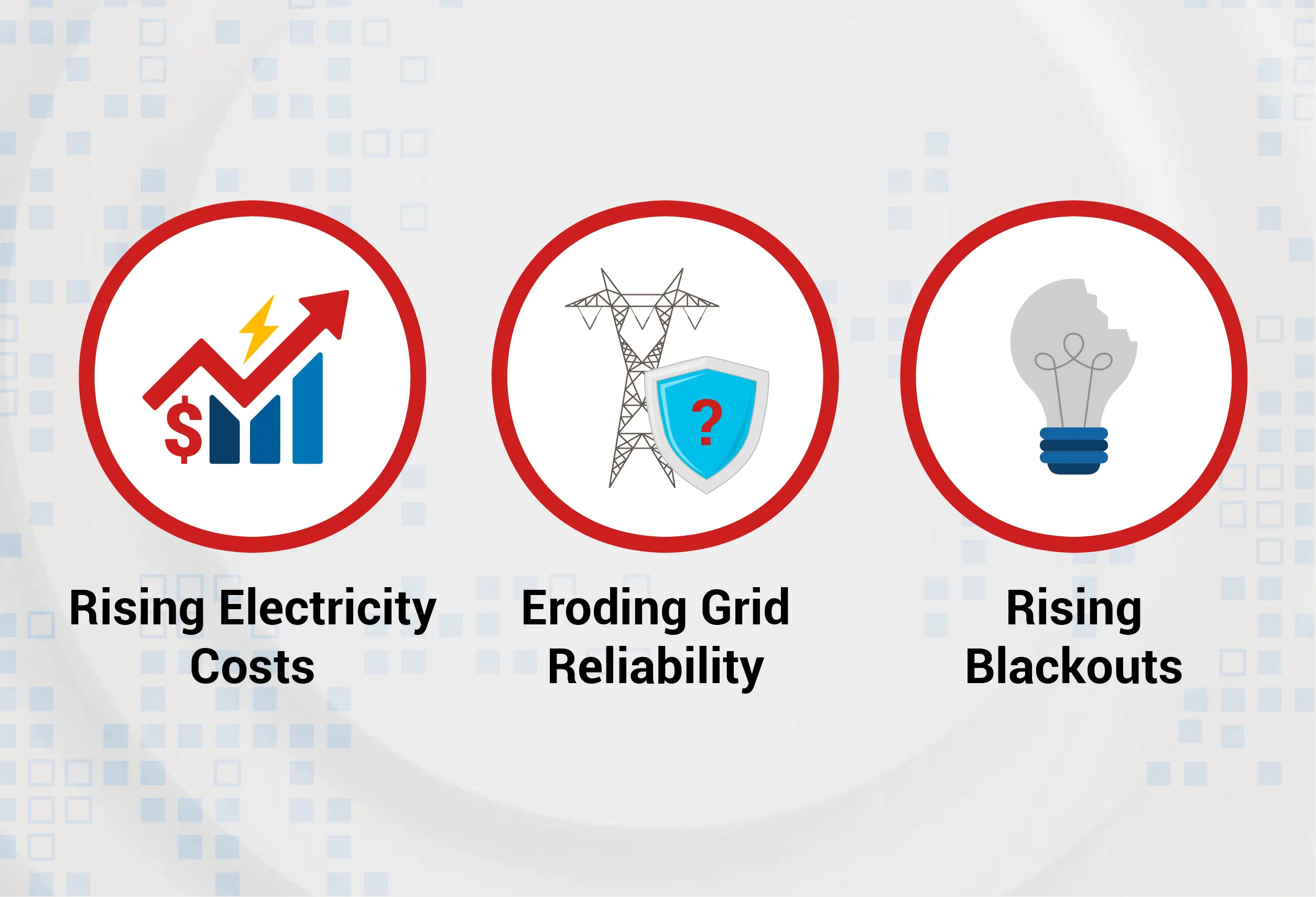
Utility rates are climbing at a record pace—with some markets seeing electricity costs rise by more than 30% in just the past few years. At the same time, grid reliability is eroding. According to Department of Energy (DOE) and North American Electric Reliability Corporation (NERC) data, blackouts in North America are projected to increase 100-X by 2030. For commercial and industrial (C&I) companies, this is no longer just a facilities issue. Energy has become a C-suite priority—directly tied to revenue protection, profitability, and growth. Clean Secure Reliable Power Building Your Energy Strategy: Own vs. Outsource? Utility rates are climbing at a record pace—with some markets seeing electricity costs rise by more than 30% in just the past few years. At the same time, grid reliability is eroding. According to Department of Energy (DOE) and North American Electric Reliability Corporation (NERC) data, blackouts in North America are projected to increase 100-X by 2030. Rising Electricity Costs Eroding Grid Reliability The central question is: Should your company own and operate its energy infrastructure, or outsource it through a power purchase agreement (PPA)? Both models can reduce costs, improve resiliency, and advance sustainability goals—but the right choice depends on your objectives, capital strategy, and internal resources. Understanding Your Objectives Every energy strategy begins with clarity on why it matters for your business. ® 2025 DG Matrix, Inc. All rights reserved. Rising Blackouts For some, energy is primarily a cost line item — something to be reduced wherever possible. In this case, a flexible outsourcing model may suffice. For others, however, energy is a critical competitive advantage: ESG Revenue Protection: Outages that halt retail sales, idle production lines, or spoil inventory aren’t just inconvenient — they can cost millions.For these businesses, resiliency is non-negotiable
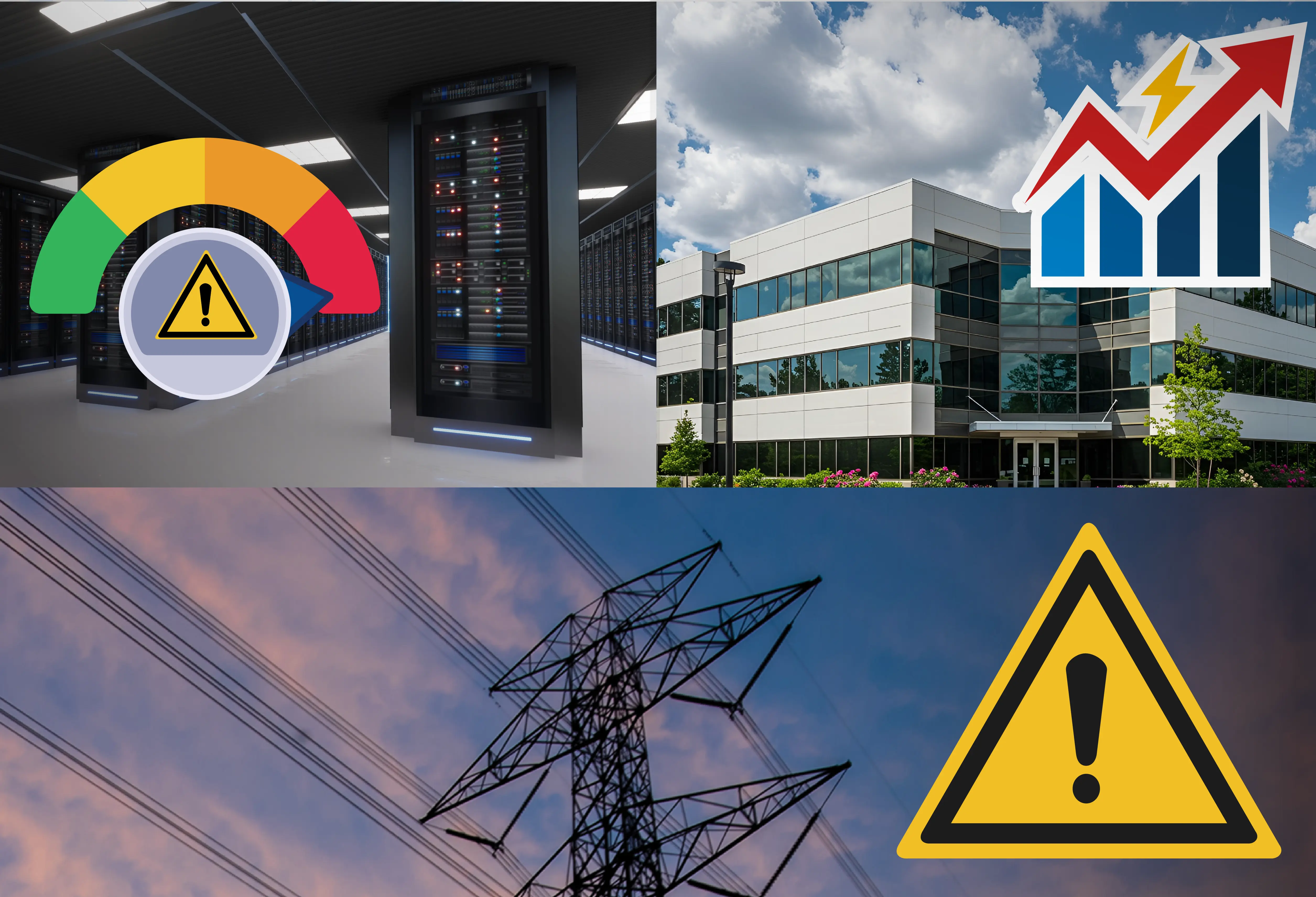
AI datacenters, fleet electrification, and reshoring are driving electricity demand to levels the grid wasn’t built to handle. At the same time, extreme weather and aging infrastructure are increasing outage risk and volatility in energy costs. Energy has shifted from a back-of-house facilities decision to a C-suite priority tied directly to revenue protection, profitability, and the ability to seize new growth. In this environment, energy strategy is business strategy. Protecting Revenue with Energy Resiliency When power fails, revenue stops. In retail, outages translate immediately into lost transactions, spoiled inventory, and customer churn. In manufacturing, even sub-hour disruptions can scrap work-in-progress, damage equipment, and ripple through supply chains for days. Hospitals, logistics hubs, food storage, and data-driven operations face similar exposure—where downtime is not just costly but mission-critical A modern resiliency strategy goes beyond a standby generator. Leading operators combine: Protecting Revenue with Energy Resiliency On-site generation (solar, fuel cells, generators) for diversified supply that isn’t weather- or grid-dependent. Battery energy storage for instantaneous ride-through, peak-shaving, black-start capability, and load shaping Programmable controls & EMS to prioritize critical loads, island when needed, and orchestrate sources/loads in real time. Segmented and tiered load design (critical, essential, deferrable) with pre-planned curtailment to extend uptime. Operational readiness (testing, drills, spares, fuel and parts logistics) and cyber/physical security measures that keep assets available when the grid is stressed.
For over a century, the utility grid has stood as one of the greatest engineering achievements in human history—a vast, interconnected network delivering power to nearly every corner of society. But as electrification and digitalization surge ahead, we’re entering a new phase—one where the opportunity isn’t just to expand the grid, but to transform how we think about building capacity. The next terawatt of grid capacity will not come solely from centralized infrastructure. It will come from distributed, intelligent, and modular systems located at the edge — where demand is highest, and where the opportunity is greatest. A Terawatt of Demand—Faster Than Ever Before From AI datacenters requesting gigawatts of capacity to the electrification of fleets, factories, and buildings, the pace and scale of new demand are unprecedented. Utilities are stepping up—but timelines for major infrastructure projects are often measured in years, sometimes even decades. Meanwhile, developers, operators, and communities are looking to energize sites quickly. The opportunity lies in complementing existing utility infrastructure with modular, distributed capacity that can be deployed rapidly and scaled dynamically. This isn’t about replacing the grid—it’s about unlocking new ways to deliver value alongside it. Distributed Energy at the Edge: Capacity Where It Counts The power grid of the future will not be defined solely by central plants and transmission lines—it will be increasingly defined by what happens at the edge. By co-locating generation, storage, and advanced power control technologies like solid-state transformers closer to load centers, we can: Alleviate upstream transmission constraints Accelerate time-to-power for new loads Provide site-level flexibility to balance energy needs in real time Edge-based capacity reduces pressure on the backbone of the grid while creating faster pathways to energize the projects driving economic growth.

The grid is under pressure like never before. AI datacenters are requesting gigawatts of power. EV fleets and building electrification are creating unprecedented new loads. Meanwhile, utilities are being asked to deliver more power, more quickly, with the same physical infrastructure. This isn’t just a strain on capacity. It’s a test of agility. The challenge? Meeting surging demand while maintaining reliability, affordability, and operational control. The solution? Partnering with innovators who can augment the grid—not bypass it. Clean Secure Reliable Power Powering the Future, Together: How DG Matrix Partners with Utilities to Drive the Future of AI and Electrification The grid is under pressure like never before. AI datacenters are requesting gigawatts of power. EV fleets and building electrification are creating unprecedented new loads. Meanwhile, utilities are being asked to deliver more power, more quickly, with the same physical infrastructure. This isn’t just a strain on capacity. It’s a test of agility. The challenge? Meeting surging demand while maintaining reliability, affordability, and operational control. At DG Matrix, we work closely with utility partners to deliver the speed and scale needed to meet AI and electrification demands. Our Power Router platform is designed to act as an extension of the utility’s toolbox: helping accelerate large-load interconnections, unlock capacity within existing infrastructure, and deliver programmable, resilient power for mission-critical applications. Accelerating Large-Load Interconnections Utilities are facing record-breaking interconnection requests—and timelines aren’t keeping up. Traditional infrastructure upgrades, such as substation expansions or transmission buildouts, often take two to five years. That timeline doesn’t work when data centers and EV fleets need power in months, not years. DG Matrix helps compress the timeline. Our programmable Power Router acts as an intelligent node between grid and customer, enabling large-load sites to safely and reliably interconnect without waiting on upstream upgrades. By deploying behind the meter, Power Routers can: Dynamically manage power draw to avoid system shock Respond to utility signals for demand limiting or curtailment Support ramp-up strategies that align with utility capacity planning For utilities, this enables faster service to high-growth customers. For customers, it means speed to power—without compromising grid safety or operational integrity.
For years, the conversation around energy infrastructure has focused on how to build more —more transmission lines, more substations, more generation. But what if the real opportunity isn’t in building more, but in unlocking what already exists? The truth is, the grid’s biggest challenge isn’t just a lack of capacity. It’s a lack of utilization . Gigawatts of potential are stranded at the edge—behind the meter, inside buildings, and across distributed assets that remain invisible to the grid. As electrification and AI drive exponential energy demand, we’re entering a new era of grid planning. An era where speed, flexibility, and software-defined infrastructure matter more than traditional expansion timelines. And the most powerful tool in this new playbook? Virtual Power Plants (VPPs) made possible by intelligent edge platforms like the Power Router from DG Matrix. The Grid’s Bottleneck Isn’t Infrastructure — It’s Rigidity From a distance, the U.S. grid looks maxed out. New AI datacenters are requesting gigawatts of power. EV charging hubs are stressing local substations. And interconnection queues are backed up for years. But zoom in, and the story is different. A vast amount of capacity already exists. It’s just uncoordinated, underutilized, and locked behind outdated infrastructure . Take a typical commercial site. It might have solar, batteries, and smart building loads—but none of it is configured to support the broader grid. Even worse, it often operates in a silo, without visibility, standardization, or dispatchability. This isn’t just a technical problem—it’s a business problem. As energy demand becomes a constraint on economic growth, stranded capacity is becoming a multi-billion-dollar missed opportunity. What VPPs Unlock: A New Operating Model for the Grid Virtual Power Plants (VPPs) are software platforms that aggregate distributed energy resources (DERs) like solar, storage, EVs, and flexible loads into a single, dispatchable entity. When properly orchestrated, VPPs can: · Shift loads to off-peak hours · Balance grid frequency and voltage · Respond to market signals in real time · Operate independently during outages · Deliver resilience and savings for customers In essence, VPPs turn passive energy consumers into active grid participants. But here’s the catch: you can’t run a VPP without edge infrastructure that’s intelligent, secure, and programmable. That’s where DG Matrix comes in. The Power Router: Turning the Edge into a Grid Asset DG Matrix’s Power Router is a fundamentally new category of power infrastructure. It combines a complex architecture of power infrastructure into a single, software-defined solution . It works natively across both AC and DC, across multiple energy sources and loads, and enables real-time energy control with unmatched granularity. Here’s how the Power Router supercharges VPP deployment: · Edge Intelligence: Every unit makes local decisions based on real-time site conditions, market signals, and grid needs. · Multi-Port Flexibility: It seamlessly routes energy between solar, storage, the grid, loads, and more—no external conversion needed. · Standardized + Secure: Instead of bespoke integration, Power Routers are plug-and-play and designed to scale. · Software-Defined Functions: Customers can reconfigure energy behavior without changing hardware—critical for evolving sites. By deploying Power Routers across commercial, industrial, and datacenter sites, we create a network of programmable nodes —a distributed fabric of flexible, high-value energy infrastructure ready to support the grid. 100+ GW of Capacity, Hiding in Plain Sight According to DOE, RMI, and others, the U.S. could unlock between 80 to 200 GW of effective capacity by scaling VPPs. That’s more than 10% of peak load—and it could be achieved faster and more affordably than any major generation or transmission buildout. With the right edge hardware and software stack: · Distributed assets become visible and controllable · New capacity is delivered without massive infrastructure upgrades · Customers monetize assets they already own · Grid operators gain new levers for balancing and resiliency This isn’t science fiction. It’s already happening—with DG Matrix at the center of it. Conclusion: The Future of the Grid Starts at the Edge In an era of accelerating demand and intensifying constraints, the grid needs more than just new capacity—it needs new intelligence . By turning the edge into an orchestrated, responsive, and resilient layer of infrastructure, we can deliver the flexibility needed to support AI, electrification, and economic growth—all without waiting years for traditional upgrades. The DG Matrix Power Router isn’t just a product—it’s a platform. A building block for a new kind of grid. One that’s decentralized, agile, and designed to scale. Speed. Flexibility. Intelligence. That’s how we unlock the invisible grid. And that’s the future DG Matrix is building—one Power Router at a time.
For years, the conversation around energy infrastructure has focused on how to build more—more transmission lines, more substations, more generation. But what if the real opportunity isn’t in building more, but in unlocking what already exists? The truth is, the grid’s biggest challenge isn’t just a lack of capacity. It’s a lack of utilization. Gigawatts of potential are stranded at the edge—behind the meter, inside buildings, and across distributed assets that remain invisible to the grid. As electrification and AI drive exponential energy demand, we’re entering a new era of grid planning. An era where speed, flexibility, and software-defined infrastructure matter more than traditional expansion timelines. And the most powerful tool in this new playbook? Virtual power plants (VPPs), made possible by intelligent edge platforms like the Power Router from DG Matrix. The Grid’s Bottleneck Isn’t Infrastructure — It’s Rigidity From a distance, the U.S. grid looks maxed out. New AI datacenters are requesting gigawatts of power. EV charging hubs are stressing local substations. And interconnection queues are backed up for years. But zoom in, and the story is different. A vast amount of capacity already exists. It’s just uncoordinated, underutilized, and locked behind outdated infrastructure. Take a typical commercial site: it might have solar, batteries, and smart building loads—but none of it is configured to support the broader grid. Even worse, it often operates in a silo, without visibility, standardization, or dispatchability. This isn’t just a technical problem—it’s a business problem. As energy demand becomes a constraint on economic growth, stranded capacity is becoming a multi-billion-dollar missed opportunity. What VPPs Unlock: A New Operating Model for the Grid Virtual Power Plants (VPPs) are software platforms that aggregate distributed energy resources (DERs)—like solar, storage, EVs, and flexible loads—into a single, dispatchable entity. When properly orchestrated, VPPs can: Shift loads to off-peak hours Balance grid frequency and voltage Respond to market signals in real time Operate independently during outages Deliver resilience and savings for customers In essence, VPPs turn passive energy consumers into active grid participants. But here’s the catch: you can’t run a VPP without edge infrastructure that is intelligent, secure, and programmable. That’s where DG Matrix comes in.
For decades, energy infrastructure was something you planned around—slow, static, and separate from the front lines of business strategy. Not anymore. In today’s economy, access to power is defining which companies scale, which industries lead, and which countries compete. And one metric is becoming more important than ever: speed to power . AI datacenters, fleet electrification, manufacturing reshoring, and more are driving unprecedented demand for energy. In this new energy reality, energizing sites quickly isn’t just an engineering milestone—it’s a growth imperative. The New Urgency for Power We’re entering a phase of global transformation where power availability is emerging as one of the most valuable and constrained resources on earth. AI datacenters are rapidly outpacing grid capacity. Single sites are requesting hundreds of megawatts and even gigawatts. The lead time from identifying a site to deploying racks has compressed to quarters, not years—and yet power often remains the longest pole in the tent. Fleet and building electrification is surging as organizations seek to increase energy reliability while reducing costs. The electrification of warehouses, factories, and commercial buildings—often in densely populated, grid-constrained areas—places major stress on local infrastructure. Retailers and C&I operators are no longer just consuming power—they're generating it, storing it, and managing it on-site. As energy becomes both an input and a lever for competitiveness, access to reliable and cost-effective infrastructure is critical. Across all segments, one thing is clear: the need for power is real and immediate—and businesses are losing time, money, and opportunity waiting for infrastructure to catch up. Where the Bottlenecks Are Every project has two timelines: the one the business wants and the one that today's power systems can deliver. Unfortunately, they almost never match. Utility Interconnection is the single largest bottleneck in most power deployment efforts. In many cases, utilities provide no guaranteed timelines, and delays of 18 to 60 months are common. Interconnection studies alone can take a year. Then comes procurement of substations, transformers, and labor. Meanwhile, the business sits idle. Permitting Complexity adds another layer of friction. Most cities, counties, and utilities operate with outdated permitting models. Behind-the-meter solar, storage, and load flexibility are often viewed as exceptions rather than the default—even though they should be the new norm. Fragmented Infrastructure is the norm, not the exception. Most sites require multiple power conversion, routing, protection, and monitoring devices—all from different vendors. Each component must be permitted, procured, installed, integrated, and tested. This creates a long, complex, failure-prone process that doesn’t scale. Even after the system is online, operators often lack the flexibility to adapt to changing site needs, which leads to stranded assets and underutilized infrastructure. The Business Case for Speed to Power The costs of delay are hard to ignore: · Delayed revenue : For every month a site sits without power, it’s not generating revenue. Every delay is more time for competitors to gain market share. · Escalating CapEx and OpEx : Long timelines create budget uncertainty and force companies to procure interim solutions, such as temporary generators, diesel redundancy, or peak-hour demand charges. · Missed Contracts and Incentives : Infrastructure delays mean missed opportunities to secure long-term agreements with customers. In many cases, deployment speed is the gating factor in winning key strategic deals. Speed to power is more than operational efficiency. It is a business accelerator, a strategic advantage, and a way to increase internal rate of return (IRR) across every site. For infrastructure owners and operators, speed to power is speed to revenue. How Modern Energy Platforms Solve This The future of energy deployment doesn’t look like traditional engineering. It looks like productization. Modern power infrastructure platforms are solving speed-to-power challenges in three key ways: 1. Standardization Instead of custom-building a solution for every site, modern platforms are drop-in ready. Pre-integrated systems with standardized interfaces can reduce permitting time, simplify installation, and compress project timelines from years to months. 2. Behind-the-Meter Aggregation By intelligently coordinating solar, batteries, and flexible loads behind the meter, businesses can avoid or delay utility upgrades. These systems can be installed, energized, and optimized while utility interconnection drags on in the background—or even permanently avoided if grid independence is the goal. 3. Software-Defined Flexibility Programmable platforms allow operators to evolve site functionality over time without re-engineering hardware. Want to shift a site from charging EVs to powering refrigeration or supporting grid services? It’s just a software update. This flexibility is critical because today’s power needs won’t be tomorrow’s. Platforms that can evolve will generate more value over time—and lower total cost of ownership (TCO) across the site’s lifespan. The DG Matrix Approach DG Matrix was founded to meet this exact moment. Our Power Router represents the most advanced solid-state transformer platform ever brought to market—and it’s built to scale. · Integrated, Standardized Architecture : The Power Router consolidates multiple power conversion devices—including transformers, inverters, rectifiers, and switchboards—into a single programmable unit. This eliminates complexity, minimizes points of failure, and streamlines permitting and installation. · Multi-Port Functionality : It’s the world’s first solid-state transformer to manage multiple AC and DC sources and loads simultaneously. This enables real-time control of diverse energy assets—solar, storage, utility, EV charging, and more—all from a single device. · Software-Defined Configuration : The Power Router is programmable at the software layer, allowing customers to reconfigure site functionality on demand. Whether you’re scaling up EV charging, shifting energy management strategies, or enabling advanced grid services, the platform adapts—without physical rework. · Drop-In Deployments : Our productized architecture reduces design time, speeds permitting, simplifies installation, and accelerates commissioning. This allows developers and operators to get energized and revenue-generating faster—even on grid-constrained sites. Across deployments with major enterprise customers, DG Matrix is proving that speed to power isn’t just possible—it’s scalable. Conclusion: Build Faster or Fall Behind We are entering a decade where the fastest companies will win—not just on product or marketing, but on power. Companies that energize faster will generate revenue sooner, close deals more reliably, and scale without infrastructure bottlenecks. The old way of deploying power—customized, slow, fragmented—is incompatible with the pace of today’s markets. The new way is productized, programmable, and fast. That’s the promise of speed to power. And that’s the future DG Matrix is building.
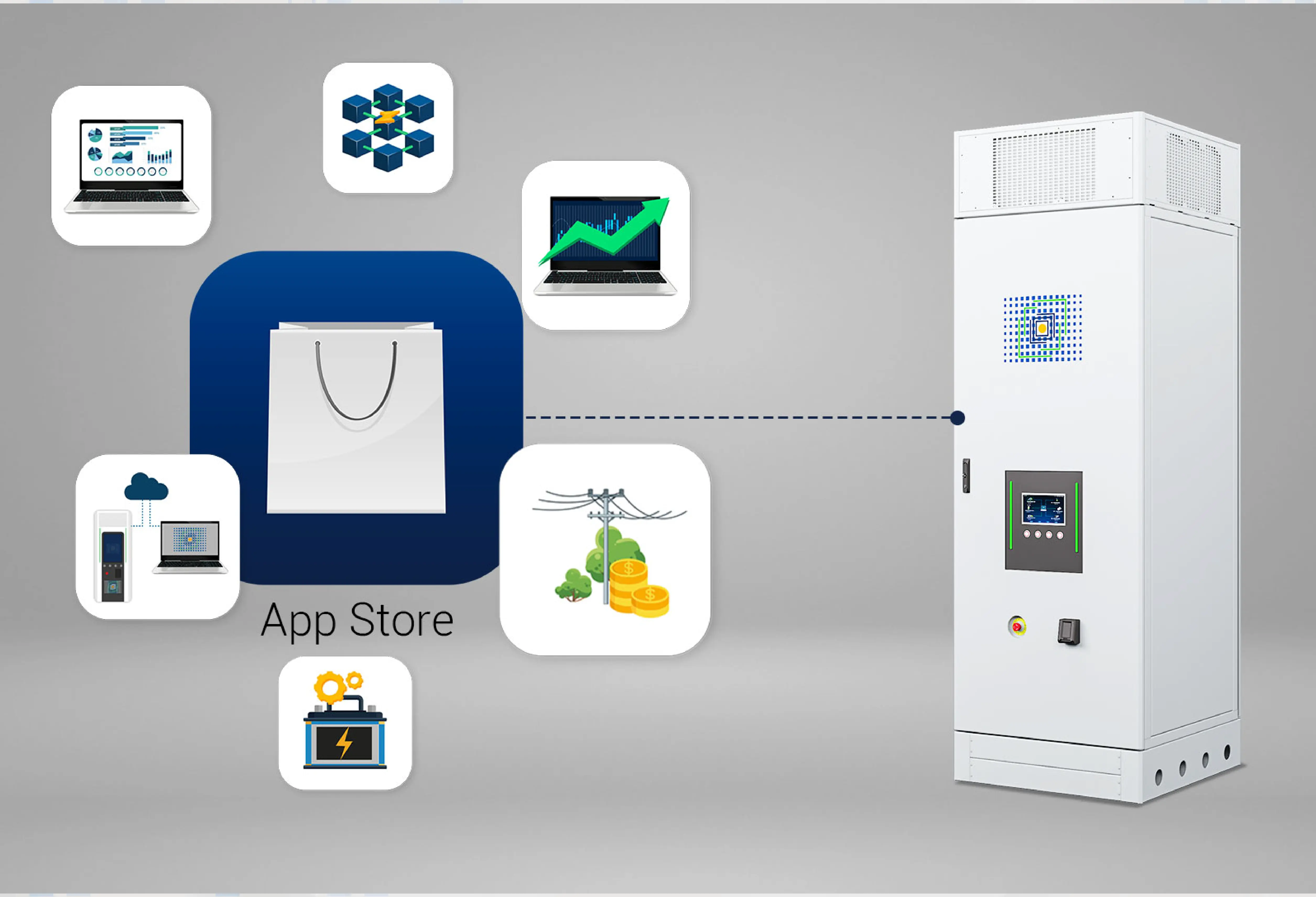
For decades, energy infrastructure has been built the same way: piecemeal, project by project, one bespoke system at a time. Every new datacenter, building electrification project, or EV charging station requires re-engineering, re-permitting, and rebuilding from the ground up. That approach isn’t just slow—it’s unsustainable for a world electrifying at unprecedented speed and fails to meet the energy demands both of today and of the future. At DG Matrix, we believe it’s time for a radically new model. Not just a better product. Not just faster deployment. But a fundamentally different way to build power infrastructure. That model? Think of it like the App Store. From One-Off Projects to a Programmable Platform When the iPhone launched, it wasn’t just a sleek device—it was a standardized hardware platform powered by software. It replaced dozens of standalone products (GPS, camera, music player, etc.) with a single, programmable unit. The App Store turned it into a launchpad for endless applications, unlocking value that Apple—or anyone—couldn’t have imagined at the start. We’re doing the same for power infrastructure. The Power Router is a multi-port solid-state transformer (SST)—a compact, intelligent hardware platform that replaces an entire stack of traditional infrastructure: transformers, switchboards, rectifiers, inverters, control boxes, and more. But its true power lies in the software layer. With programmable control, on-device intelligence, and modular interfaces, the Power Router can be configured like an operating system: → Microgrid today. → EV fleet depot tomorrow. → AI datacenter next week. All on the same hardware. This isn’t just future-proofing—it’s future-building . Flexibility Without the Complexity Legacy power systems force customers to choose between flexibility and simplicity. The Power Router offers both. Through the software layer, we can: · Dynamically allocate and optimize power across AC/DC loads · Re-configure on the fly to add, swap, or remove new sources and loads · Support advanced functions like demand charge mitigation, time-of-use optimization, and flexible load orchestration · Enable secure remote monitoring, diagnostics, and control Want to add a new charger, new energy source, or new site function? No need to rip and replace hardware. Just activate a new function—just like downloading an app. Enabling a Scalable Partner Ecosystem Just like the App Store unlocked a developer ecosystem, the Power Router opens the door for partners to build software-defined energy applications on top of a stable, globally deployable foundation. We’re already working with: · EPCs and system integrators to rapidly roll out pre-engineered deployments · Financing and infrastructure partners to productize the full stack into simple-as-a-service offerings · Software innovators to push the boundaries of energy optimization and grid services This platform unlocks new business models. Faster deployments. Global standardization. And customer value that increases over time—not just at install. This Is How We Scale the Energy Transition Scaling the energy transition isn’t just about building more hardware. It’s about building smarter hardware—and giving it the flexibility to evolve over time. The App Store didn’t win because of the iPhone’s battery or chip. It won because of the model it enabled. We believe the Power Router is that kind of shift. Not just a product. A platform . Not just a transformer. An operating system for the future of power . And just like the App Store, the true potential of this model is only beginning to emerge. DG Matrix is building the hardware foundation for a software-led energy revolution.
AI is growing faster than power can keep up. With hyperscalers and infrastructure developers racing to build the next generation of datacenters designed for AI workloads, the single biggest bottleneck isn’t chips—it’s electricity. New facilities are requesting hundreds of megawatts, even gigawatts. But utilities can’t deliver that kind of power on short timelines. Neither can traditional infrastructure providers. And relying on natural gas turbines or diesel gen-sets isn’t sustainable—or scalable. DG Matrix is solving this problem. By deploying modular, solid-state transformer (SST) platforms that deliver rapid power access, high-density performance, and global standardization, we’re enabling AI datacenters to go live faster, scale more intelligently, and prepare for a volatile energy future. ⚡ Speed to Power: Solving the Grid Bottleneck Permitting delays. Grid upgrades. Utility coordination nightmares. These are the biggest blockers for developers trying to bring AI capacity online. Most grid-tied power solutions require years of infrastructure development—far too slow for the pace of AI growth. DG Matrix solves this by enabling modular, behind-the-meter power delivery. Our systems reduce or eliminate the need for grid upgrades by integrating energy sources, storage, and loads at the site level—behind the utility meter. That means fewer permitting delays, faster installs, and more deployment flexibility. With a programmable, all-in-one power platform, customers can turn multi-year timelines into months. High Power Density and Space Efficiency AI datacenters are pushing the limits of every resource—especially physical space. Traditional power gear like transformers, rectifiers, inverters, and switchgear take up massive amounts of valuable real estate. DG Matrix changes that with a single, compact unit that replaces up to 15 discrete components. This means more racks, more servers, and more revenue—without the need to expand your real estate or infrastructure envelope. Flexible Power Management for Pulse Loads AI workloads aren’t steady—they surge. Large model training and inference cycles cause extreme swings in power demand, often in sub-second bursts. Legacy power systems struggle with these dynamic profiles, leading to inefficiencies, overheating, or worse—failures. DG Matrix provides dynamic, programmable energy routing that handles the pulse power requirements of AI workloads without causing strain on the utility or on other power infrastructure. Our solid-state architecture offers real-time switching, load balancing, and multi-directional flow control for both AC and DC power—keeping infrastructure stable even under volatile compute cycles. The result? Greater uptime, better thermal performance, and more efficient utilization of your grid and on-site assets. Global Standardization: Productizing Power Infrastructure Every datacenter project feels custom. Different utility conditions. Different regulations. Different designs. But hyperscalers want to build once and deploy everywhere. DG Matrix makes that possible. We’ve built a productized energy platform that abstracts away local complexity. It’s one standardized hardware platform, programmable at the software layer, configurable for any site in the world. Like the iPhone transformed digital infrastructure, DG Matrix is transforming physical power infrastructure —turning it from a project into a product. The Future of AI Depends on Power Power is no longer a utility problem—it’s a datacenter strategy. DG Matrix enables hyperscalers and infrastructure providers to move fast, scale efficiently, and operate with resilience. As the global demand for AI continues to surge, those who control power infrastructure will define the next generation of compute. We’re here to make that possible. Let’s power the future—faster.
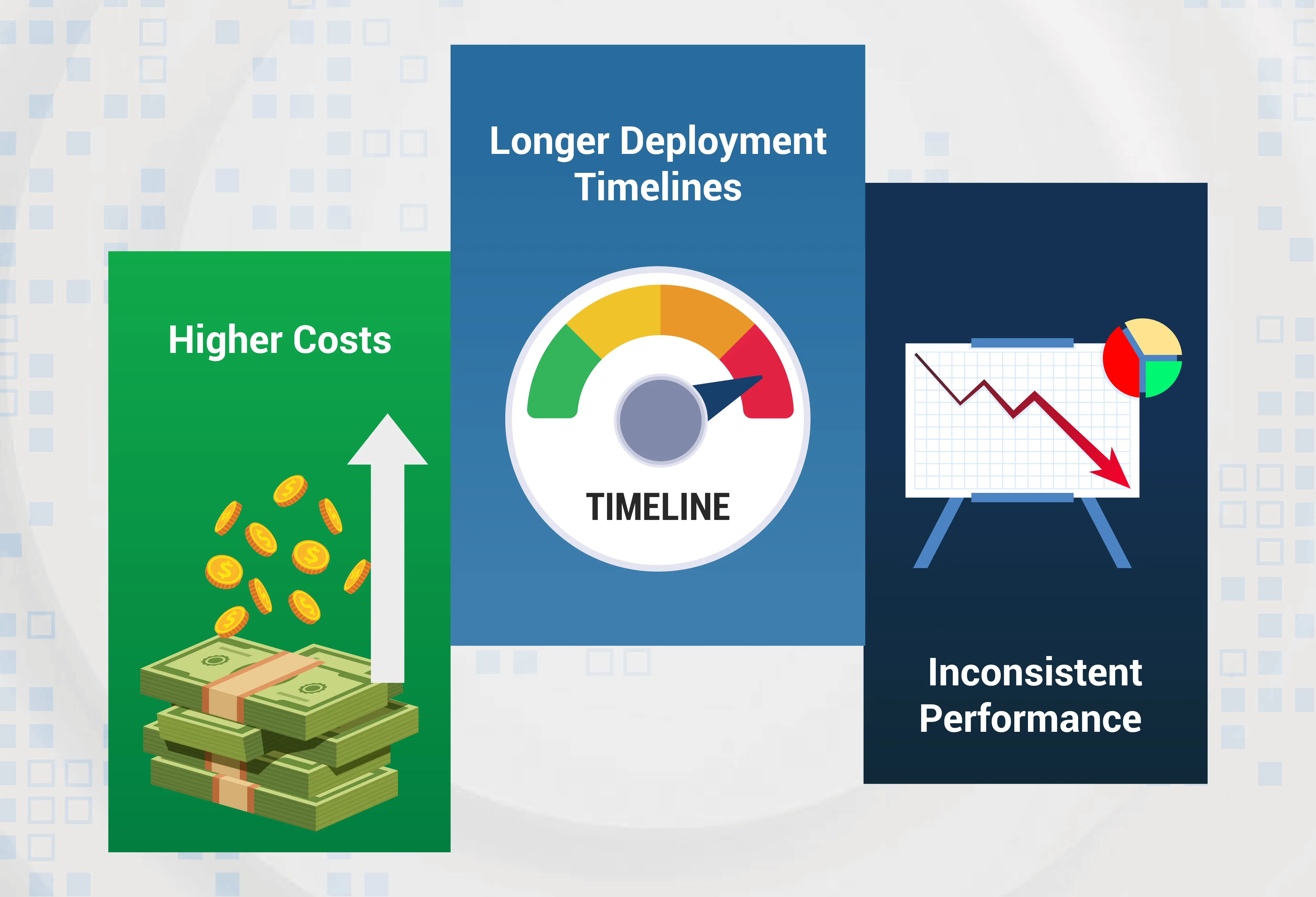
Electrification offers tremendous benefits for enterprise customers—lower energy costs, increased resilience, and major progress toward sustainability goals. Whether you’re operating a retail footprint, a fleet network, or a global portfolio of industrial sites, integrating distributed energy resources (DERs) like solar, battery storage, and EV charging can unlock long-term value and operational efficiency while improving brand visibility. But for companies with hundreds or even thousands of sites, the path to electrification is anything but simple. Every location has its own constraints: different utility interconnection timelines, real estate limitations, permitting requirements, and load profiles. This variability makes it extremely difficult to identify a single, repeatable approach to electrification—and that complexity results in higher costs, longer deployment timelines, and inconsistent performance across the portfolio. Electrification at scale shouldn’t require bespoke engineering for every single site. It needs a new model—one built for repeatability, speed, and global standardization. The Case for Standardization in Enterprise Power Infrastructure For enterprise operators, repeatability is the cornerstone of scale. In retail, logistics, and manufacturing, companies have spent decades optimizing deployment with standardized building systems, control software, and operational procedures. But when it comes to power infrastructure—especially for new electrification use cases—many are still forced to reinvent the wheel at every location. This leads to massive inefficiencies: · Cost overruns from site-specific engineering · Delays caused by non-uniform permitting, procurement, and construction · Performance variability that complicates operations and maintenance To electrify at scale, enterprises need power infrastructure that behaves like a product—not a project. How DG Matrix Enables Global, Scalable Electrification At DG Matrix, we’ve built a solution that does just that. Our Power Router platform is a standardized hardware and software solution designed to integrate multiple energy sources and loads—all in one compact, modular system. This enables a cookie-cutter deployment model across hundreds or thousands of sites. Whether the location is in Texas, Tokyo, or Toronto, the core power infrastructure remains the same—pre-configured, plug-and-play, and ready to scale. Here’s how it works: · One platform for many sources and loads : Grid, solar, battery, generators, building power, and EV charging—all managed by one device. · Modular design : Easily sized and replicated for small sites or large ones. · High efficiency and power density : Supports deployments even in space-constrained environments. · Faster deployment and commissioning : No site-specific redesigns or lengthy integration work required. In short: we turn every site from a custom project into a repeatable rollout, taking a portfolio-wide approach to make seamless scalability a reality. Why It Matters Now As more companies commit to decarbonization and electrification, the ability to deploy energy infrastructure quickly and consistently will be a competitive advantage. Enterprises that rely on traditional, bespoke project models will fall behind—slowed by cost, time, and complexity. Standardization is the key to unlocking scale, and DG Matrix is making that possible.
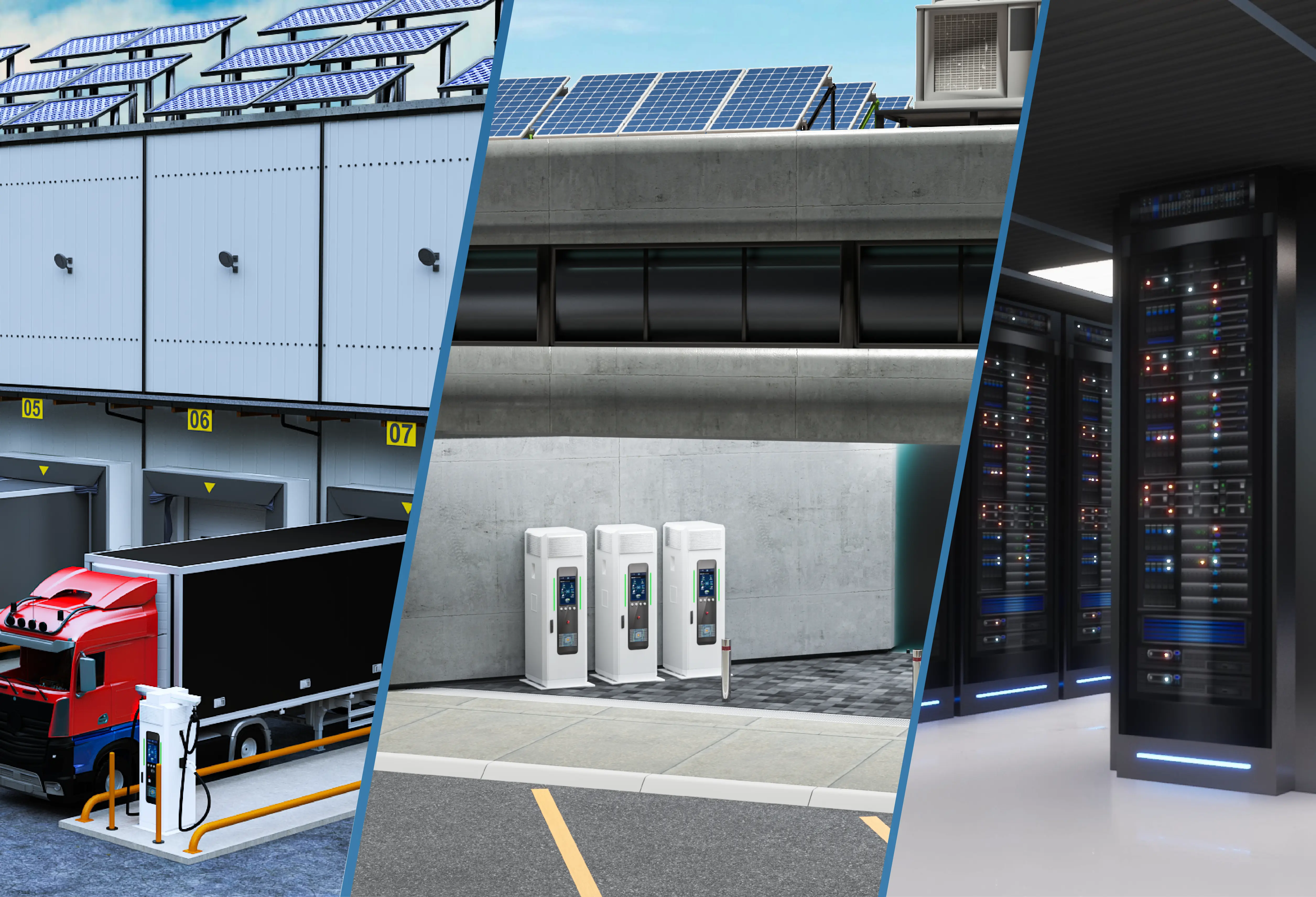
For years, solid-state transformers (SSTs) have been seen as a game-changing technology—always “five years away” but never quite ready for deployment. The promise has been clear: compact, reduced weight, intelligent power systems that deliver higher efficiency, programmable control, and seamless integration of distributed energy. SSTs offer a smart, standardized hardware platform that enables software-like configurability for global deployments in any market. Until now, technical limitations, high component costs, and uncertain market signals kept SSTs in the realm of research and pilot projects. That’s changed. And DG Matrix is the team bringing SSTs to commercialization. Here’s why the timing, technology, and customer value have finally aligned—and why solid-state transformers are ready to reshape the energy landscape. 1.Market Timing: Infrastructure Under Pressure The world’s energy demands are surging, and traditional infrastructure can’t keep up. From AI datacenters demanding gigawatts of power to the electrification of fleets, buildings, and industrial sites, the grid doesn't have the flexibility to deliver in the required timeframe. These trends aren’t speculative; these trends are happening now and accelerating. Legacy infrastructure solutions are too slow, too bulky, and too inflexible to meet the demands of today’s energy transition. Utilities and enterprises alike are looking for solutions that can deploy faster, operate more efficiently, and scale globally. SSTs, once seen as a next-decade technology, are now a this-decade necessity enabling a plug-and-play micro-utility that can be co-located with load centers. And the market is finally ready. 2.Technology Advancements: Silicon Carbide and Beyond Until recently, the components needed for SSTs—like wide-bandgap semiconductors—were too expensive or underdeveloped for commercial use. That’s no longer the case. Silicon carbide (SiC) has transformed what’s possible in power electronics, enabling higher efficiency, higher switching frequencies, and greater power density in compact designs. Combined with advancements in thermal management, digital control systems, and modular packaging, SSTs can now meet the performance and reliability standards required by mission-critical customers. These aren’t just lab wins—they’re production-ready technologies that enable smarter, smaller, and more scalable power platforms. 3.Multi-Port SSTs: More Complexity, More Value Conventional SSTs have historically been single-input, single-output devices—fine for niche applications, but not transformative and limited in the value delivered to the customer. What unlocks true value is a system that can simultaneously manage multiple AC and DC sources and loads, including the grid and renewables, enable dynamic power sharing, and consolidate what used to be 10-20+ discrete components into one programmable platform. DG Matrix is pioneering the ultimate version of the solid-state transformer: the multi-port solid-state transformer, fundamentally changing the game by delivering unprecedented value to the customer. By building the world’s first multi-port solid-state transformer, DG Matrix delivers not just efficiency and power density—but flexibility, simplicity, and significant cost savings with a plug-and-play solution for global applications in AI datacenters and electrification. Better economics. Better outcomes for customers. Better tech. The Time Is Now The convergence of market urgency, component readiness, and a productized platform makes this the decade for SSTs. The vision for SSTs is much broader than hardware; it’s for an app-store-like ecosystem where the hardware provides a foundation for the deployment of near-limitless software capabilities. Think: the iPhone for electrification. With the world’s largest SST engineering team, deep partnerships with global players, and early deployments already underway, we’re setting the standard for what power infrastructure will look like in the age of electrification and AI. The energy future is modular, intelligent, and built on solid-state foundations. DG Matrix is making it real.
As the world rapidly electrifies, businesses are contending with systems that present new opportunities as well as challenges. However, a less-obvious challenge is undermining their efficiency and effectiveness: energy losses. Often overlooked, these losses carry significant hidden costs that impact operations, economics, and sustainability. Understanding and addressing energy losses is crucial for delivering on the promise of clean, reliable, and efficient energy.
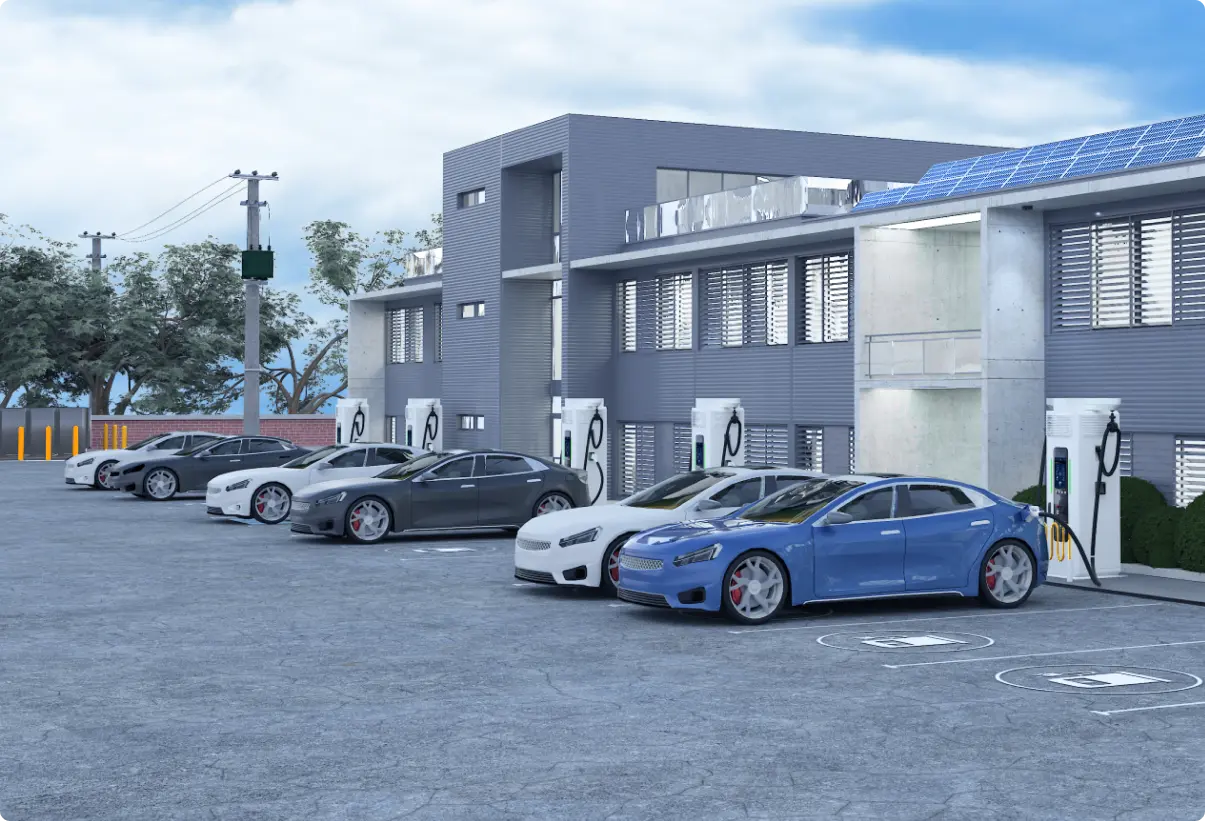
As the world transitions to electric vehicles (EVs), the rise of autonomous vehicles (AVs) presents new challenges and opportunities for EV charging infrastructure. At the intersection of electrification and autonomy lies a crucial theme: maximum uptime. Unlike traditional vehicles with human drivers who require breaks, AVs can operate continuously, limited only by battery capacity and charging infrastructure. To fully realize the potential of autonomous fleets, charging solutions must evolve to meet their unique requirements. Higher-power Charging: Autonomous fleets require higher-power charging solutions to ensure maximum uptime. Because these vehicles operate continuously without driver constraints, minimizing downtime is critical to maintaining fleet efficiency. High-power DC charging capable of delivering 150-200 kW or more enables AVs to recharge rapidly, allowing them to return to operation quickly. This is especially important for applications like logistics and ride-hailing, where time spent idle directly impacts profitability and service quality Ultra-high Utilization Rates: Chargers must also be designed for high reliability and operate without cooldown requirements. Unlike conventional chargers, which may require downtime for cooling after extended use, chargers for AV fleets must function continuously under heavy utilization. Fleet operators depend on infrastructure that can handle consistent, high-power demands without interruption. Any downtime due to charger failures or inefficiencies can lead to cascading delays and disrupt operations across the entire fleet. Flexibility and Efficiency with Dynamic Power Sharing: Flexibility in charging is another critical requirement for autonomous vehicles, which often operate with varying schedules, routes, and energy demands. Charging systems must offer dynamic power sharing, which allows a single unit to distribute power efficiently across multiple vehicles based on need. This ensures that charging infrastructure is utilized to its maximum potential, reducing costs and improving operational flexibility. For example, during peak periods, chargers can prioritize vehicles with urgent energy needs, while slower periods can accommodate less time-sensitive charging. Small Footprint for Urban Areas: Finally, a small deployment footprint is essential for charging infrastructure, particularly in urban environments where space is at a premium. Autonomous fleets, such as ride-hailing vehicles and delivery vans, often operate in dense urban areas where real estate for charging stations is limited. Compact infrastructure solutions enable charging to be deployed in tight spaces without sacrificing performance, making it easier to scale charging networks in cities. Conclusion Autonomous vehicles represent the next frontier in mobility, and their charging needs will redefine the EV infrastructure landscape. To support their unique operational requirements, charging systems must prioritize high power, high uptime, flexibility, and compact design. DG Matrix is actively partnering with autonomous vehicle fleets to address these challenges, offering tailored solutions that solve the most pressing problems in electrification. Together, we’re enabling the continuous, efficient, and sustainable operation of autonomous fleets.

Electrification is transforming the way we power the world, driven by advancements in technology, shifts in policy, and growing demand across industries. As we move into 2025, several key trends are set to shape the trajectory of electrification, from innovations in battery technology to the expansion of distributed energy generation, and even policy changes that will help us deploy faster. These trends are interconnected, amplifying their collective impact and creating opportunities for businesses to lead the charge in enabling sustainable, reliable energy systems.
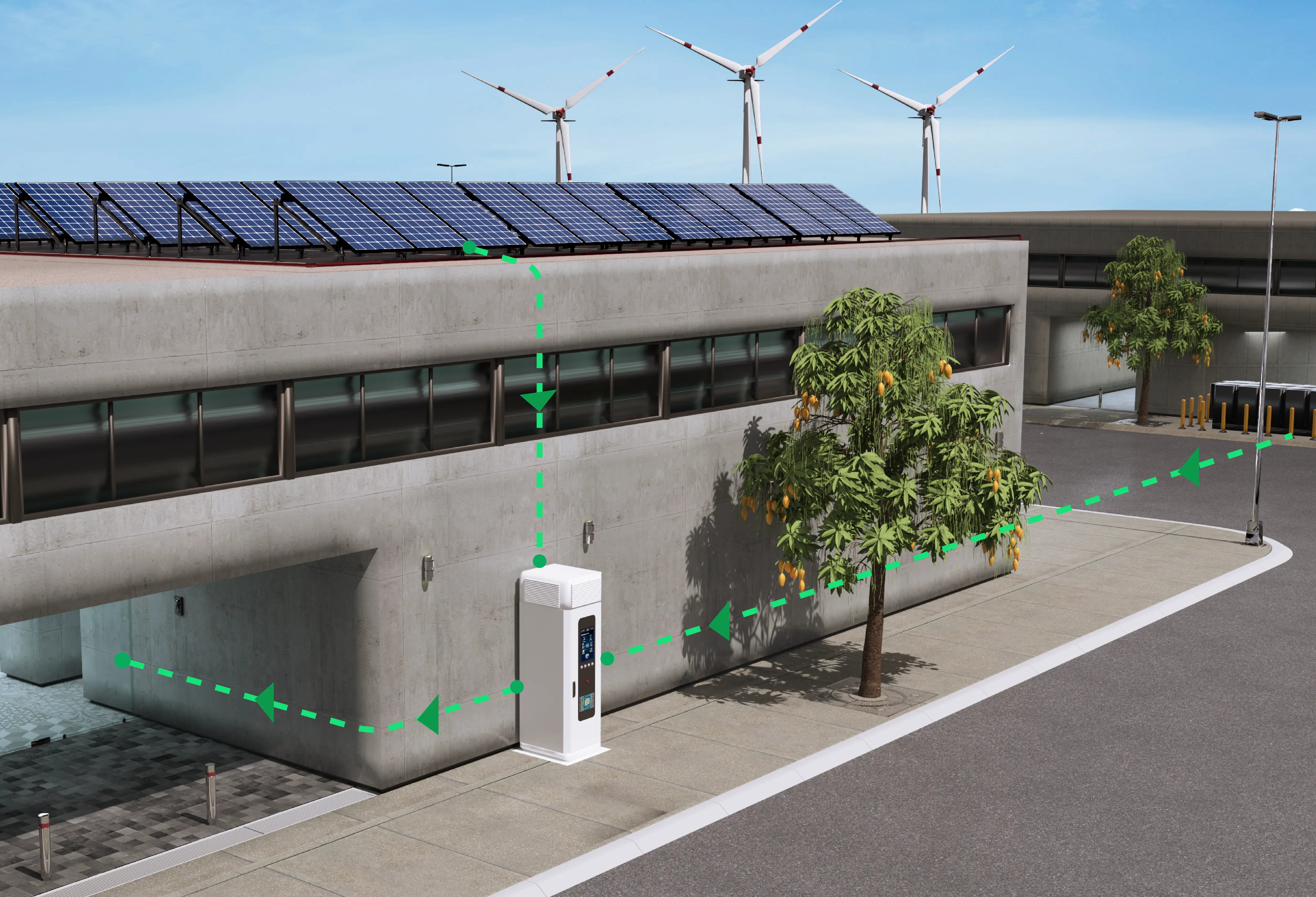
In an increasingly interconnected world, the need for flexible and reliable power has never been more crucial. Traditionally, microgrids have been seen as specialized backup systems—localized energy grids that could operate independently when the main grid experienced outages. However, as grid constraints and utility bills rise, microgrids are now stepping into a new role as not just a backup solution but a core backbone of energy systems. This transformation is driven by several key factors: lower utility bills, increased power without the need for a costly grid upgrade, decarbonization with renewable energy, and greater energy resiliency. This article explores these reasons in-depth and highlights why microgrids are becoming the new standard for power reliability.
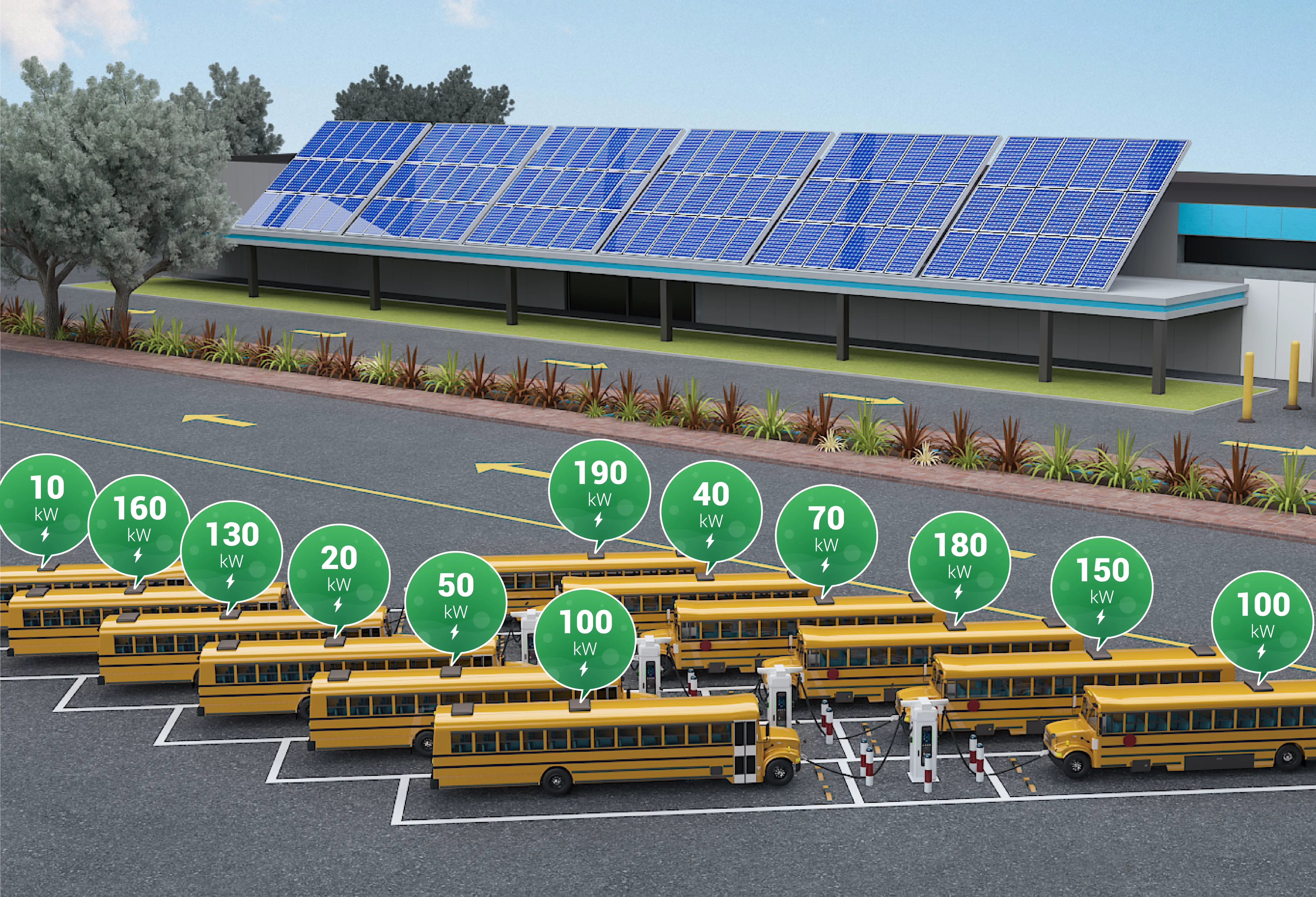
The electrification of school buses presents a powerful opportunity to reduce emissions, improve children’s health, and lower long-term costs for school districts. School buses are particularly well-suited for electrification due to their predictable routes and the ability to charge during off-peak hours. However, achieving scalability requires overcoming several significant challenges, including grid constraints, high initial costs, complex charging and power management, and the lack of standardized solutions. Addressing these barriers necessitates innovative, adaptable approaches that enable school districts to transition seamlessly to electric fleets.
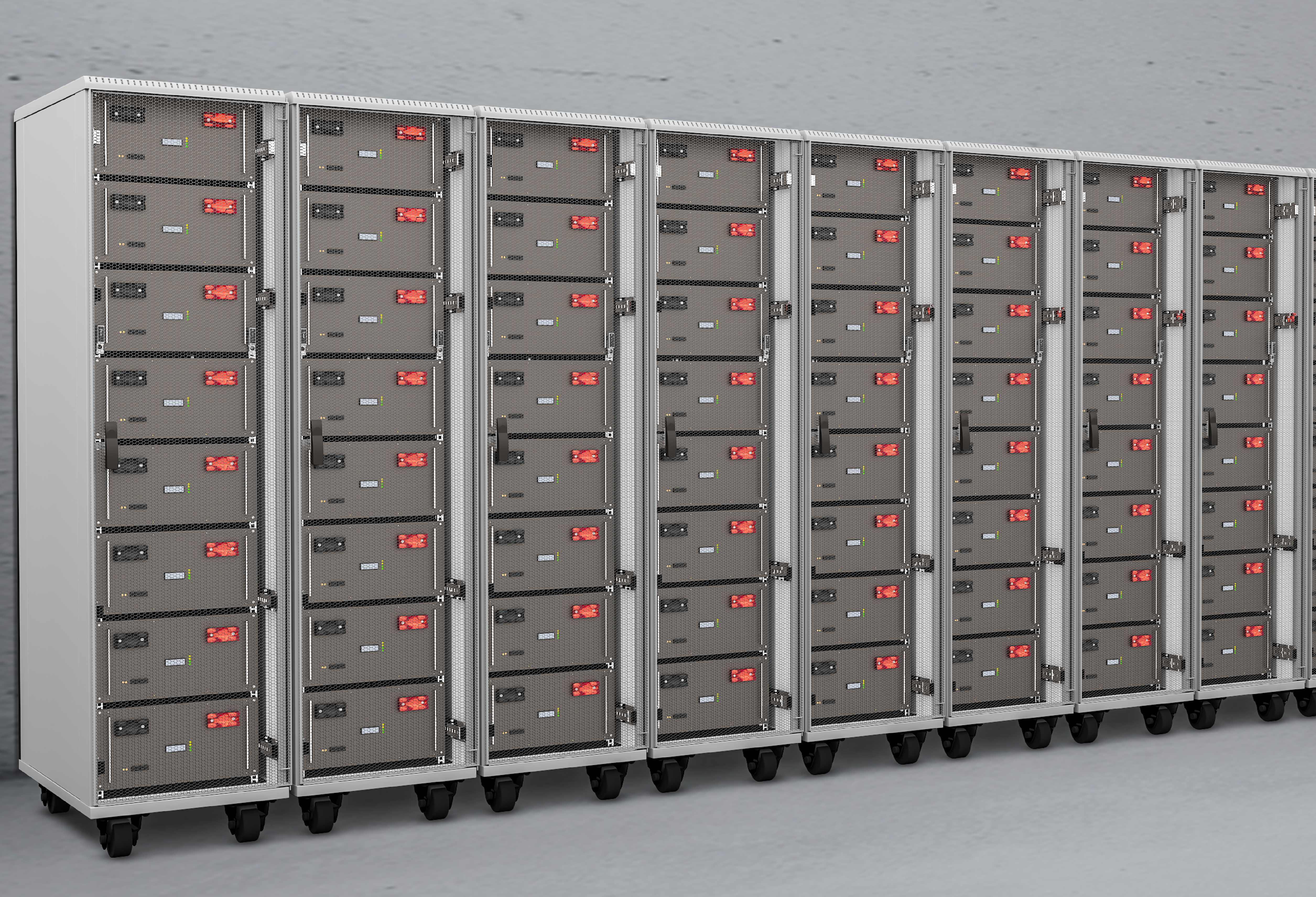
The tragedies caused by Hurricanes Helene and Milton have highlighted the growing vulnerability of energy grids to extreme weather events. In the aftermath of these storms, widespread power outages left millions without electricity for extended periods, underscoring the urgent need for energy resiliency measures. For businesses, power outages have a direct and immediate impact on operations, leading to lost revenue, halted production, and even potential product losses. With rising electricity demand and increasingly unpredictable weather patterns, the frequency and severity of grid outages are expected to increase in the coming years. To maintain operational continuity during such events, businesses must adopt strategies that enhance energy resiliency. This article outlines three key strategies: on-site energy generation, energy storage, and advanced energy management software.
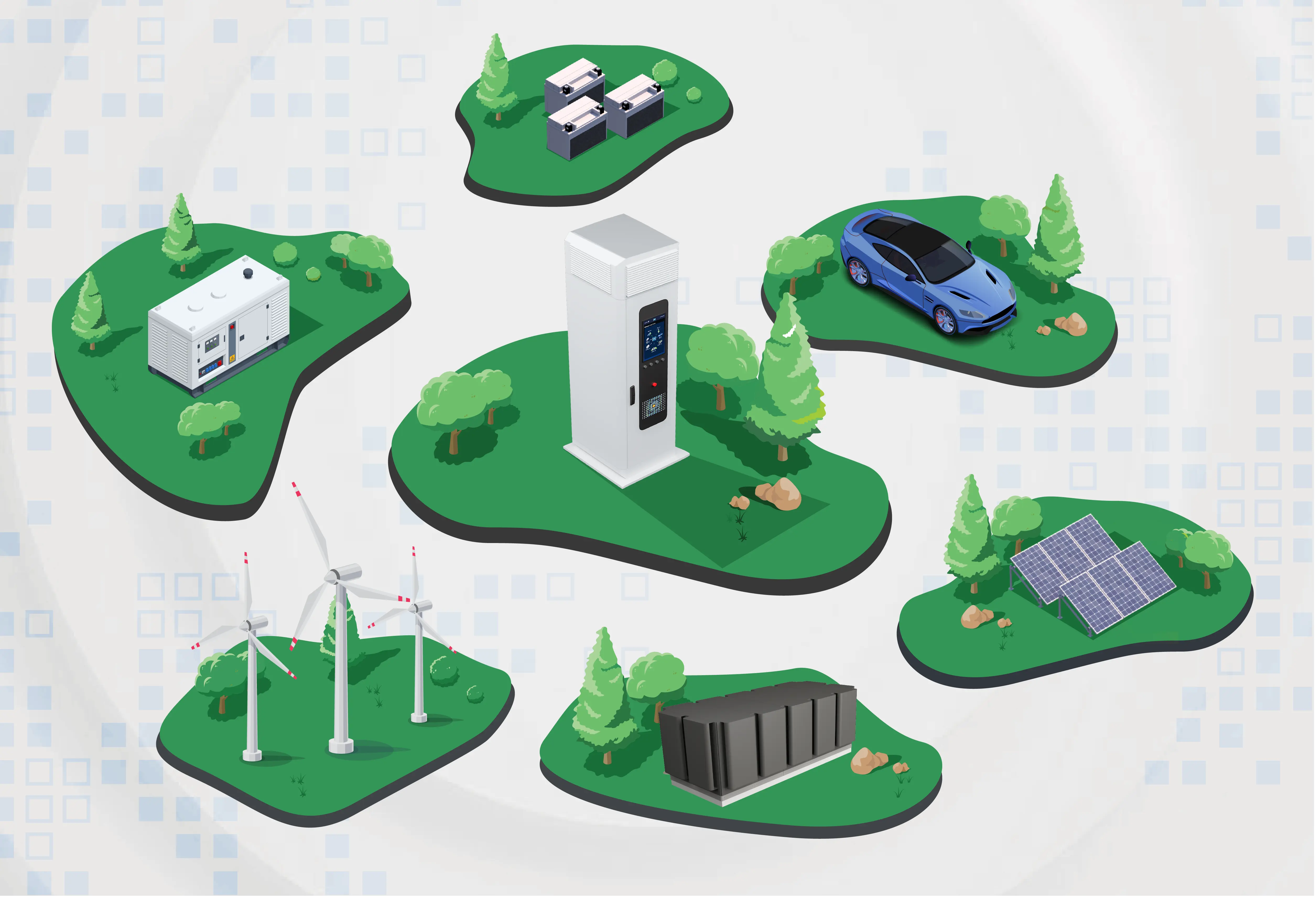
Understanding and Mitigating Demand Charges from Utilities As the world moves towards greater electrification, commercial and industrial (C&I) customers are increasingly grappling with the impact of demand charges on their utility bills. Demand charges are fees that utilities impose based on the highest level of power drawn during a billing period, typically measured in kilowatts (kW). These charges can constitute as much as 50% of a C&I customer’s utility bill, making them a significant financial concern. With the rise of electrification, particularly through the adoption of electric vehicles (EVs) and other energy-intensive technologies, demand charges are expected to increase, further straining the budgets of businesses. In this article, we explore strategies to mitigate demand charges, including the use of energy storage, on-site energy generation, grid response strategies like demand response, virtual power plants (VPPs), and vehicle-to-grid (V2G) technology, all underpinned by advanced energy management software.

DG Matrix exists to solve the toughest problems facing the energy and electrification industries. Solving these challenging problems necessitates a collaborative approach, where we work closely with our customers to understand and address unique challenges. By treating customers as partners, incorporating feedback at the design stage, and committing to rigorous testing and continuous improvement, we can develop solutions that truly meet our clients' needs. This article explores the importance of collaboration in solving customer problems and how it can drive success and satisfaction.
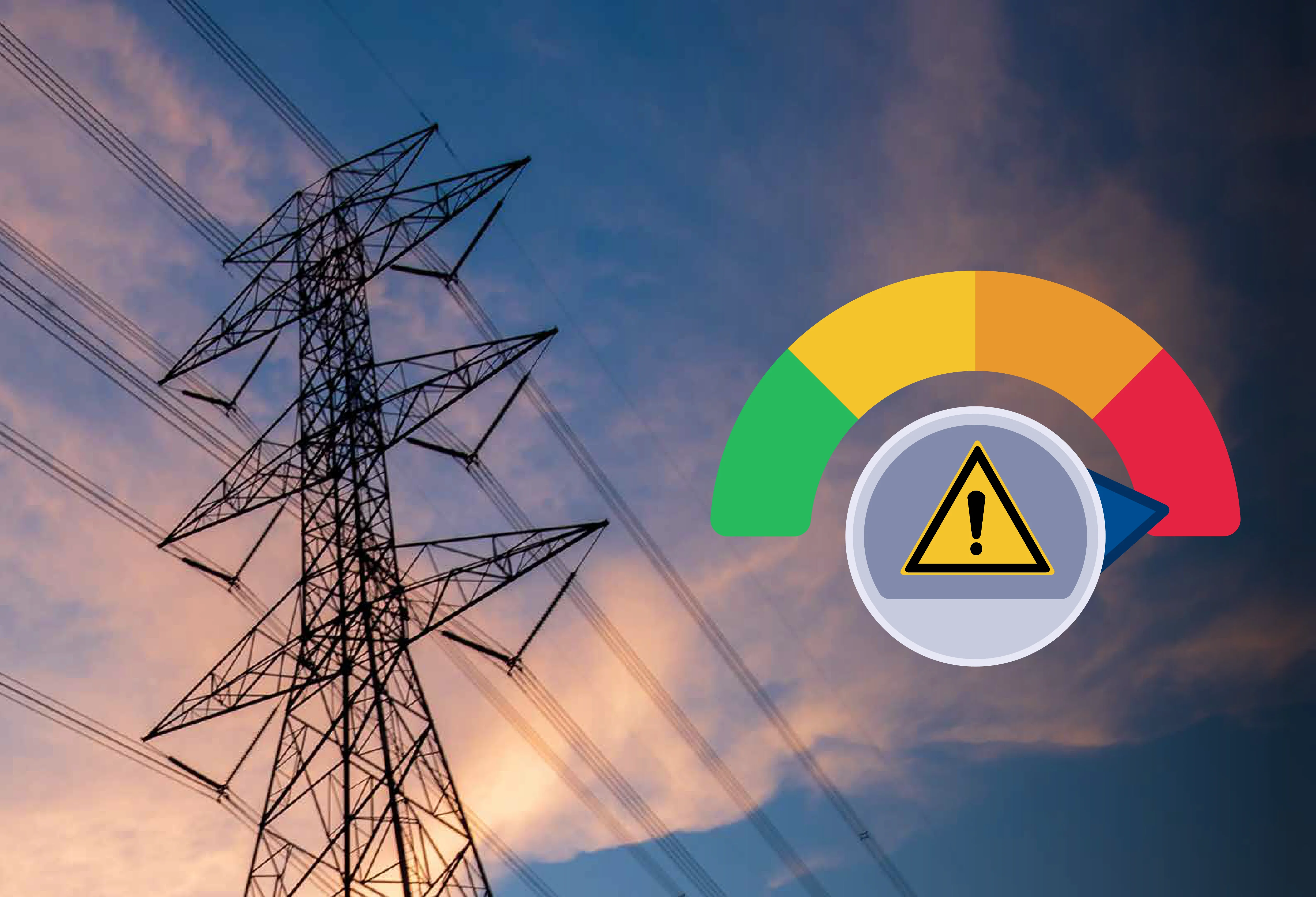
Electric vehicles are a symbol for the clean energy transition and a beacon of opportunity for a future that is better for the planet. However, as the call from consumers, industry, and Washington echoes “Deploy! Deploy! Deploy!,” EV charging infrastructure deployment continues to lag behind. What’s causing us to fall behind?
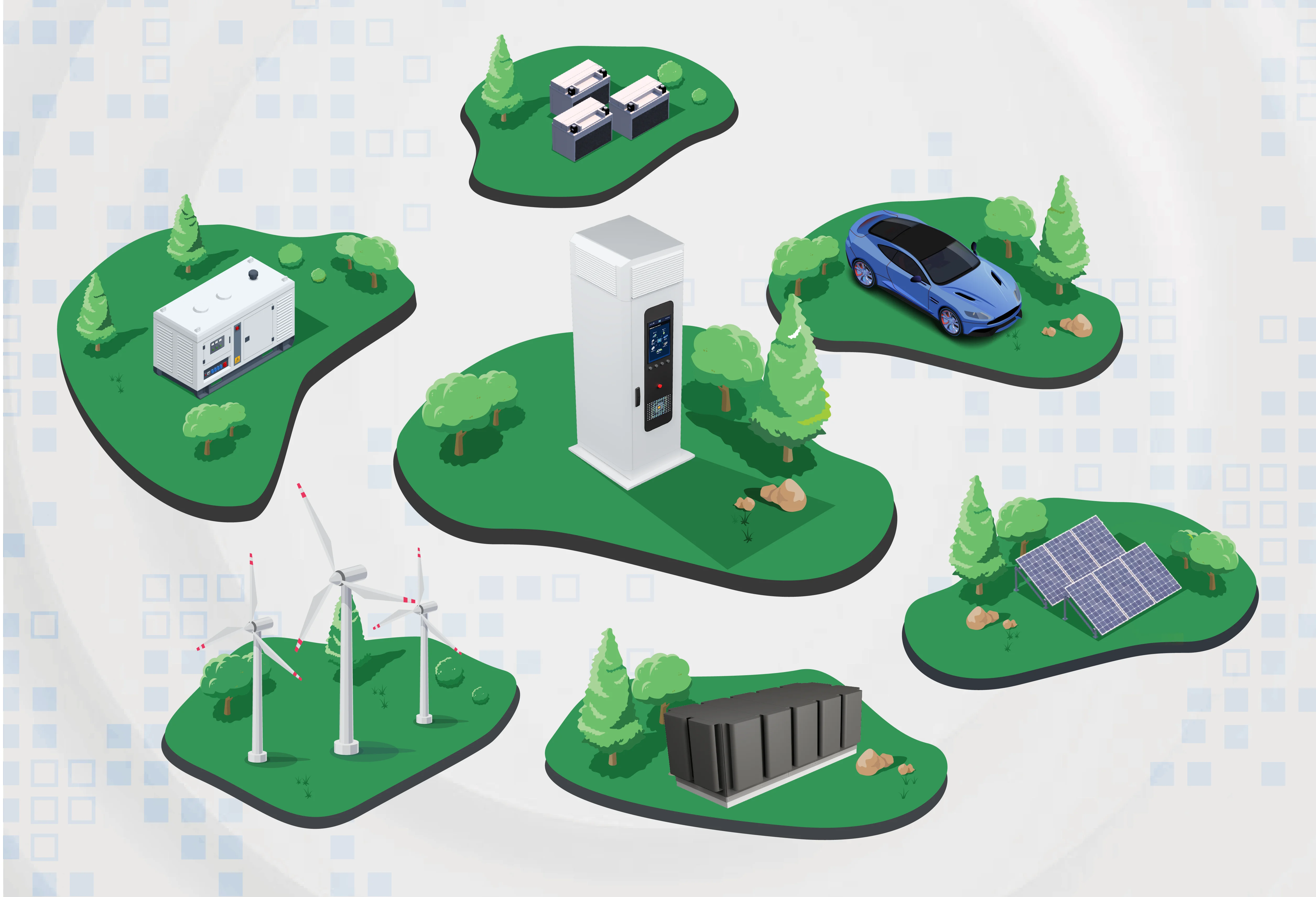
The rapid adoption of electric vehicles (EVs) has underscored the importance of robust charging infrastructure to support widespread EV usage. However, the reliance on utility grid interconnection poses a significant challenge, limiting the scalability and availability of EV charging solutions. Islanded EV charging offers a compelling solution to overcome these constraints, providing a decentralized and independent charging solution that operates autonomously from the utility grid.
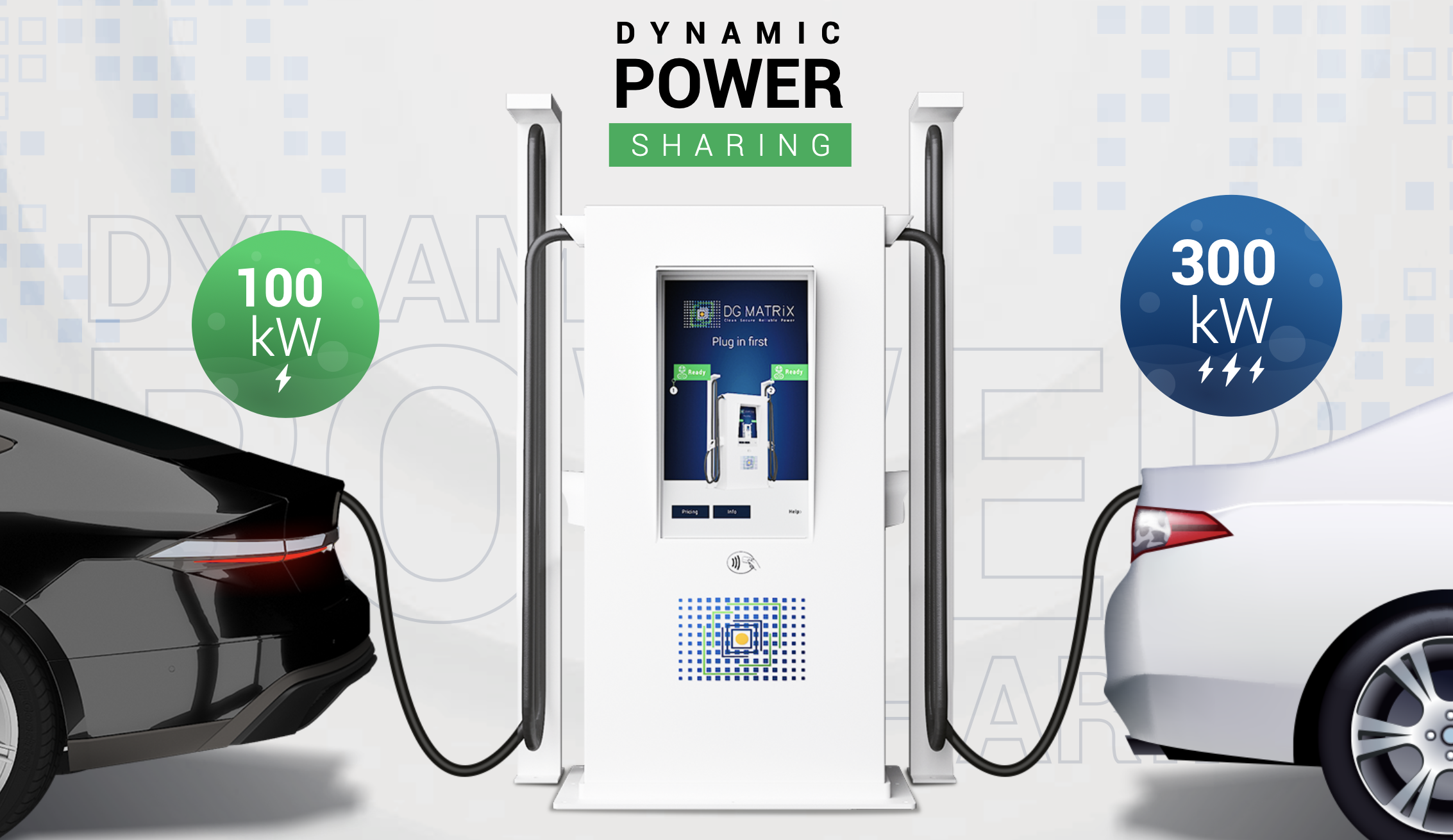
The demand for efficient and reliable charging infrastructure continues to escalate, and we are increasingly seeing larger stations with more chargers and more ports. As quantity of chargers and power needs continue to scale, dynamic power sharing technology allows sites to maximize the use of their total power capacity without over-allocating on infrastructure. In this article, we discuss the advantages of dynamic power sharing in EV chargers, highlighting how this innovative technology maximizes efficiency, optimizes charging resources, and enhances the user experience.
In the rapidly evolving landscape of electric vehicle (EV) adoption, data has emerged as a powerful tool for optimizing charging infrastructure, enhancing user experience, and driving strategic decision-making. In this article, we explore the critical role of data analytics in shaping the future of EV charging networks and unlocking new opportunities for sustainable transportation.
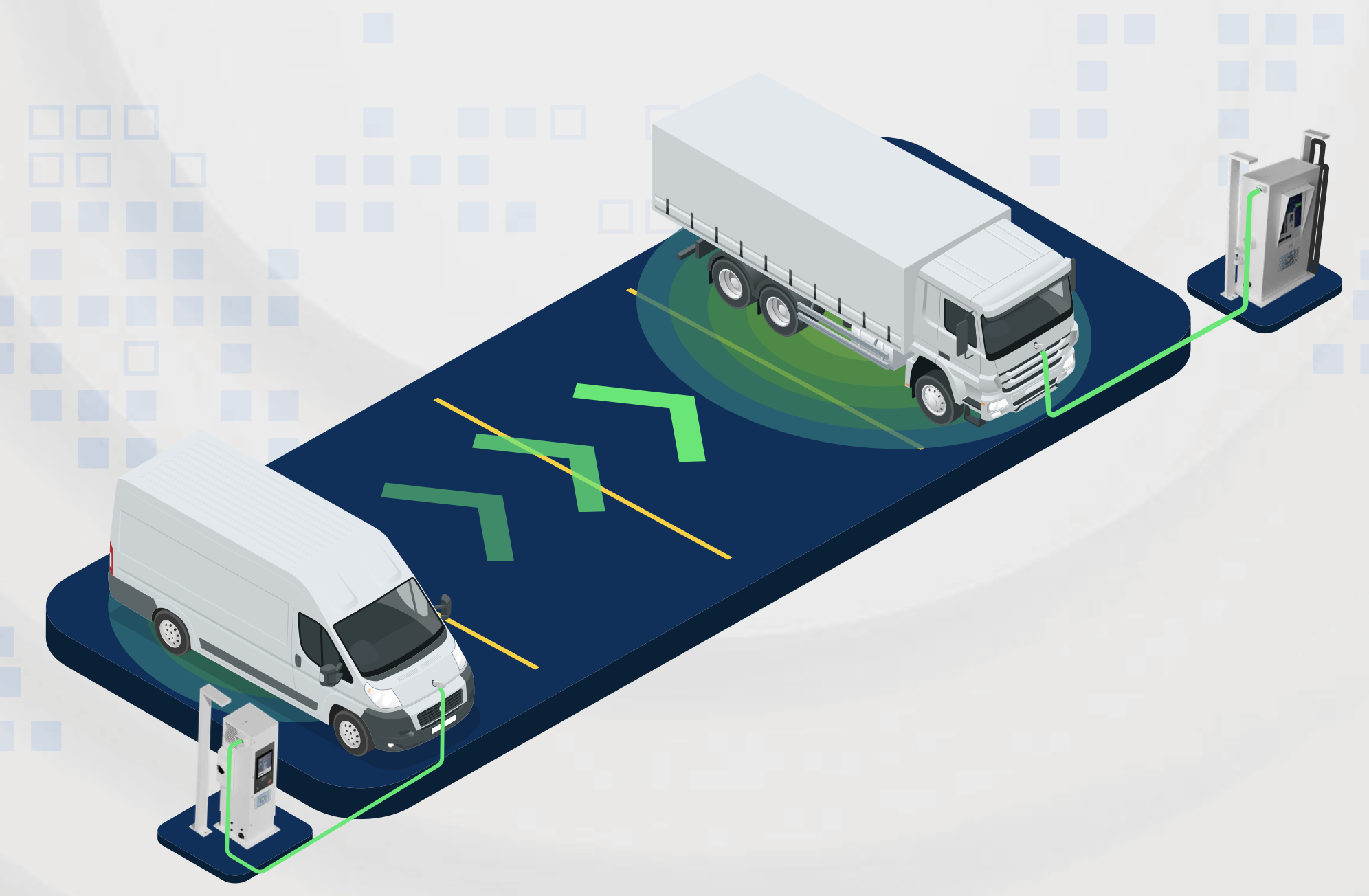
While the majority of electrification focus has been on passenger cars, the medium- and heavy-duty electrification market has been quickly growing as companies realize the environmental and economic benefits of going electric. If you’re thinking about transitioning your heavier-duty fleet to electric and don’t know where to start, see the steps below for some important considerations for taking the first step on your electrification journey.
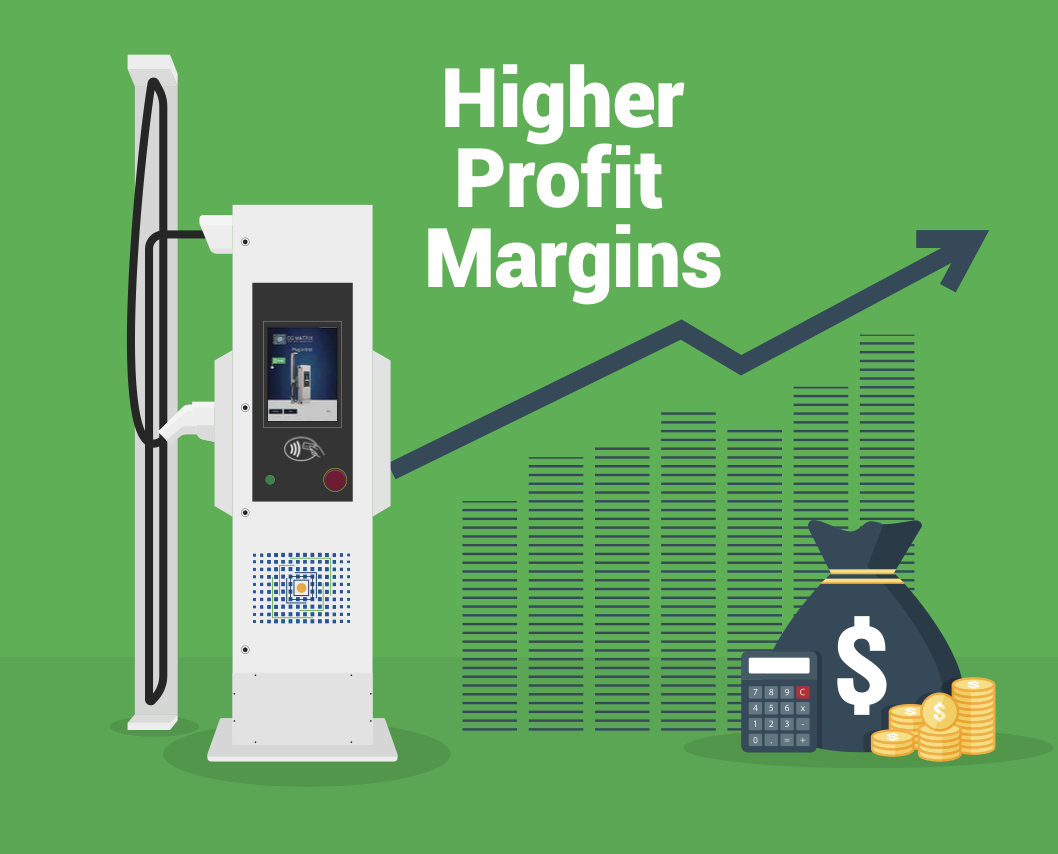
A few percentage points of efficiency may not seem like much, but for EV charging, it can make all the difference. As leaders in the industry, DG Matrix recognizes the paramount importance of charging efficiency for both our customers and for the planet alike. Below, we unravel the multifaceted benefits of higher efficiency, emphasizing why it’s a must-consider when choosing your EV charging hardware.
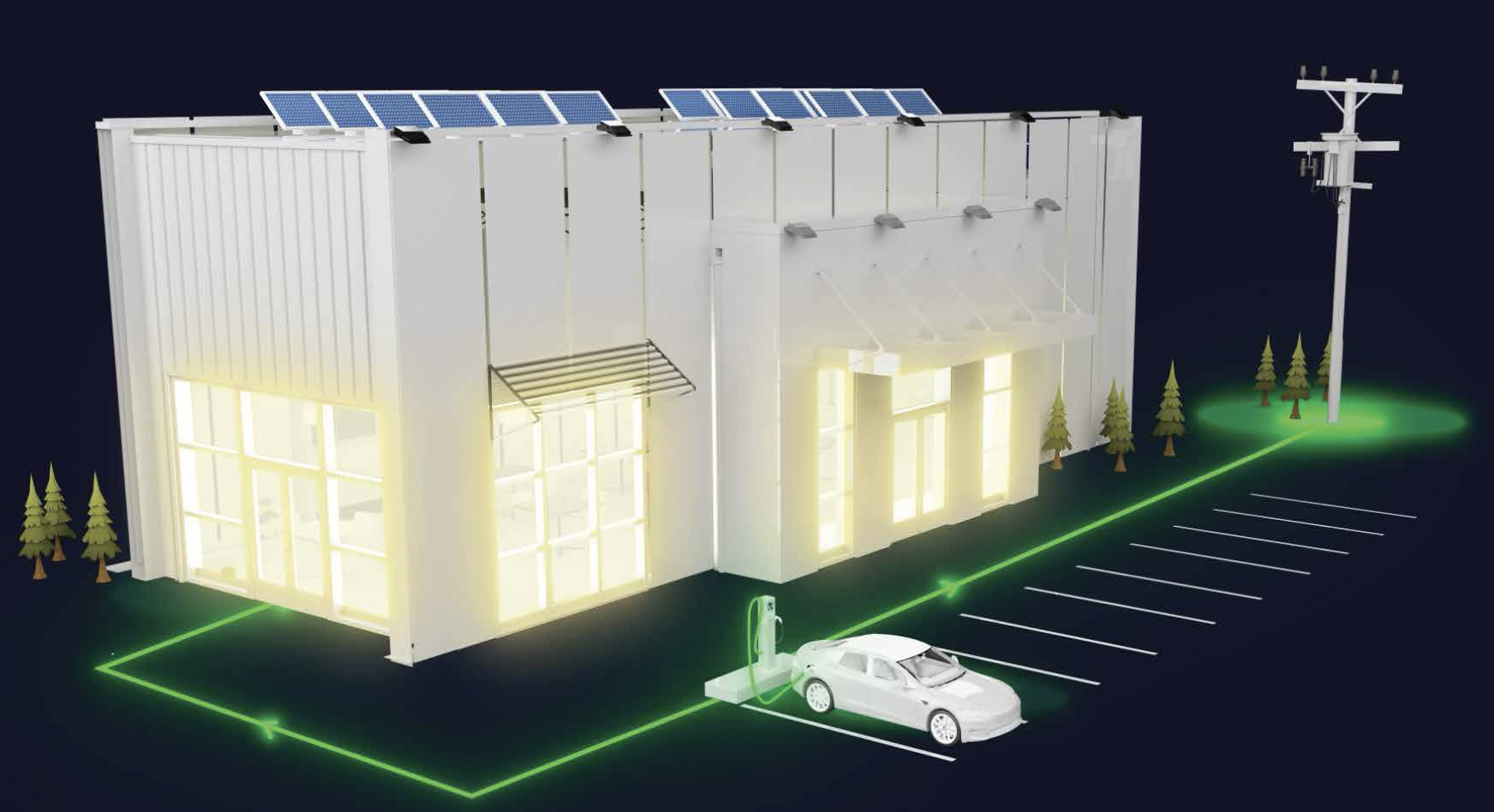
As EV sales surge globally and major companies and consumers alike go electric, 2024 promises to be a groundbreaking year marked by transformative trends in EV charging. As the world accelerates towards sustainable mobility, charging infrastructure is at the forefront of innovation. Here's a closer look at the top 7 key EV charging trends that will shape the industry in 2024.

As EV sales surge globally and major companies and consumers alike go electric, 2024 promises to be a groundbreaking year marked by transformative trends in EV charging. As the world accelerates towards sustainable mobility, charging infrastructure is at the forefront of innovation. Here's a closer look at the top 7 key EV charging trends that will shape the industry in 2024.
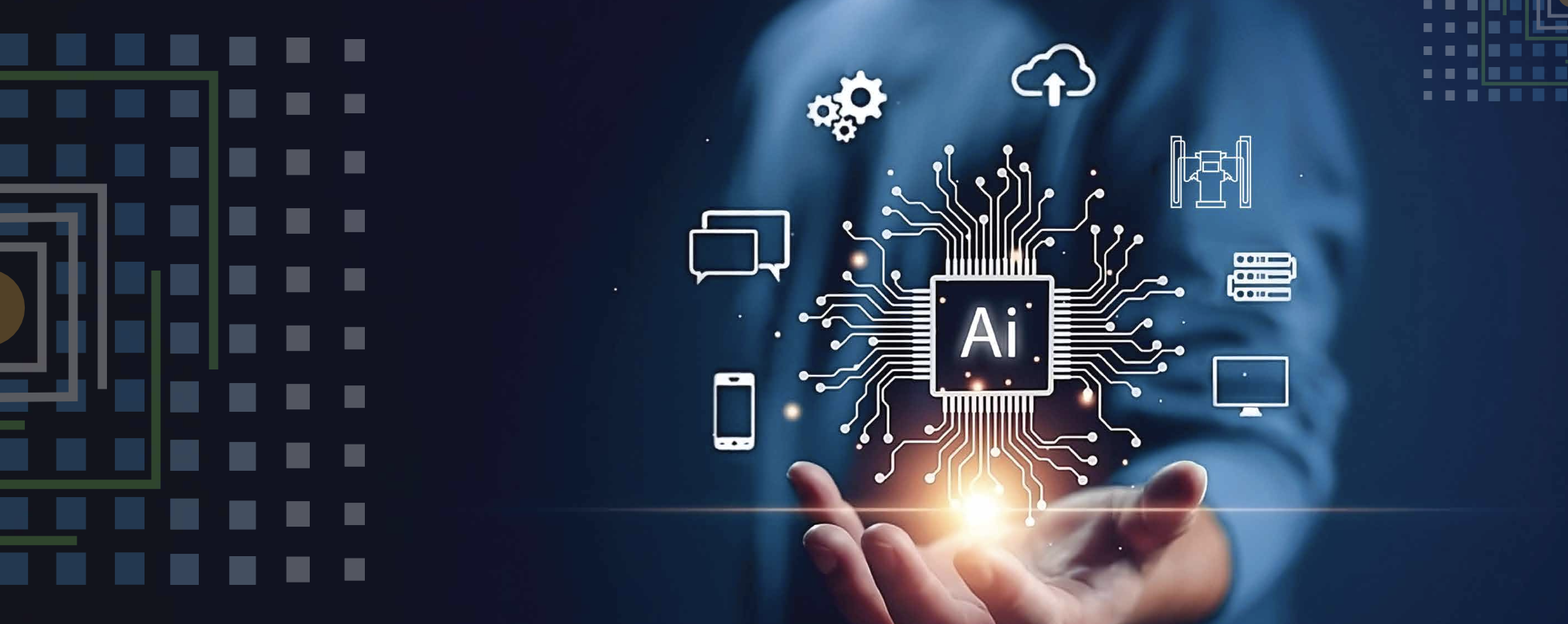
In the ever-evolving landscape of electric vehicle (EV) charging, Artificial Intelligence (AI) is quickly shaping the future. As the demand for sustainable mobility grows, harnessing the capabilities of AI in charging infrastructure enables opportunities to mitigate the challenges with EV charging today while driving progress for tomorrow.
In the ever-evolving landscape of electric vehicle (EV) charging, Artificial Intelligence (AI) is quickly shaping the future. As the demand for sustainable mobility grows, harnessing the capabilities of AI in charging infrastructure enables opportunities to mitigate the challenges with EV charging today while driving progress for tomorrow. Here we delve into the multifaceted role of AI, unraveling how it enhances reliability, analyzes charging demand, and optimizes the utilization of multiple energy sources to lower energy costs and emissions.
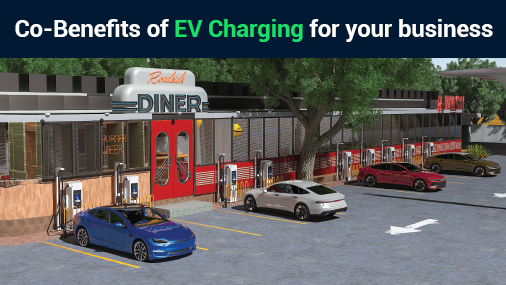
As the electric vehicle (EV) revolution accelerates, integrating on-site EV charging infrastructure isn't just an upgrade—it's a strategic investment in customer experience and business visibility. Every business can benefit from an on-site EV charger.
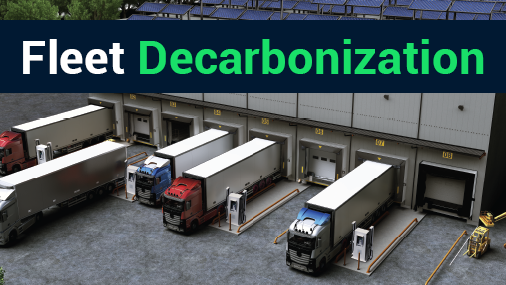
As environmental sustainability comes to the forefront of corporate responsibility, the transition to electric vehicles (EVs) has emerged as a powerful lever for positive change, offering companies a tangible and impactful way to reduce their carbon footprint. Now, more than ever, businesses are recognizing the potential of electric fleets not just as a cornerstone in their commitment to sustainability, but also as a major strategic and financial advantage.
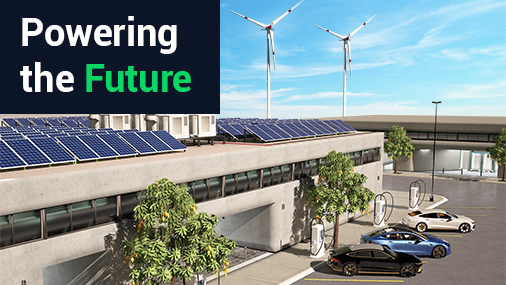
Electric vehicles (EVs) have the potential to reduce gigatons of emissions and create a cleaner, more sustainable future. However, as EV adoption continues to surge, utility permitting constraints and added strain on the grid present major challenges. For a seamless transition to electric mobility, innovative solutions are required that can bridge the gap between renewable energy generation and the growing demand for EV charging.
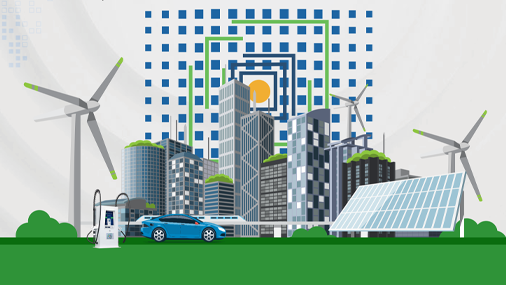
In today’s fast-paced world, the urgency of addressing climate change and adopting sustainable practices has reached unprecedented heights. Every ton counts as we reduce emissions not just at the point source, but across the entire value chain.
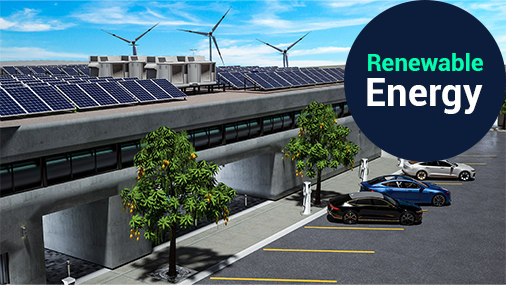
The transition towards a sustainable and greener future is gaining momentum across various sectors, with the automotive industry playing a crucial role. Electric vehicles (EVs) have emerged as a viable alternative to traditional internal combustion engine (ICE) vehicles, offering reduced emissions and lower environmental impact. However, to truly maximize the potential of EVs, they must be charged using clean and renewable energy sources. In this article, we explore the future trends and innovation surrounding the integration of renewable energy sources with EV chargers, highlighting the inevitable synergy between the two.
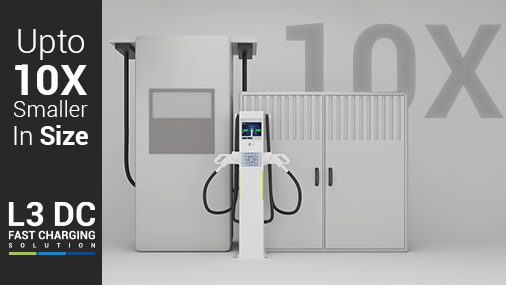
As EVs gain popularity as a sustainable mode of transport, the demand for reliable charging infrastructure grows. Traditionally EV chargers are criticized for their huge volume and larger footprint. Additionally, the integration of multiple components including electronic card reader, terminal blocks, circuit breakers, cooling systems, and user interfaces, further increases their space requirements.