
Discover the latest innovations, partnerships, and industry insights shaping the future of power infrastructure technology.
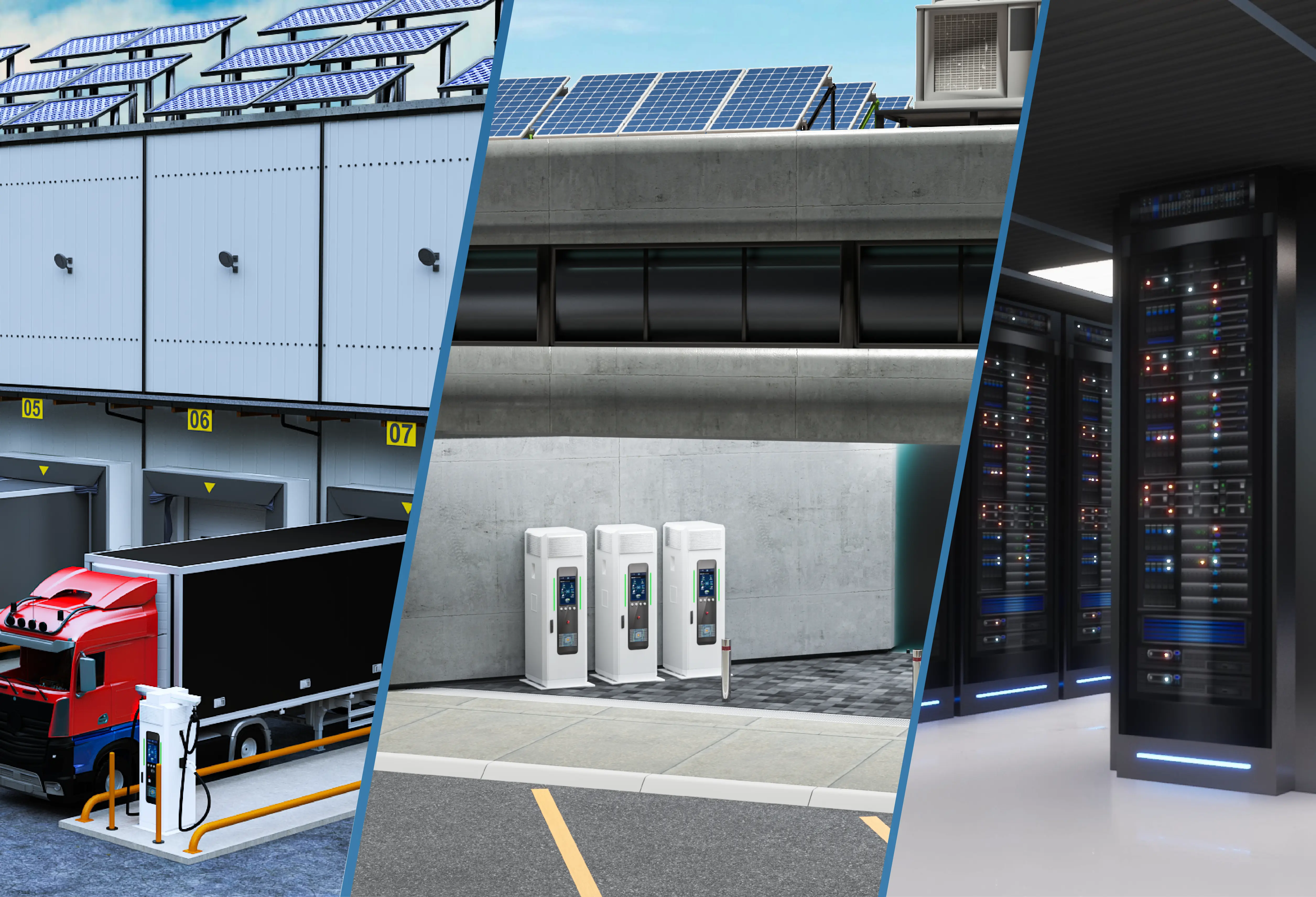
AI is growing faster than power can keep up. With hyperscalers and infrastructure developers racing to build the next generation of datacenters designed for AI workloads, the single biggest bottleneck isn’t chips—it’s electricity. New facilities are requesting hundreds of megawatts, even gigawatts. But utilities can’t deliver that kind of power on short timelines. Neither can traditional infrastructure providers. And relying on natural gas turbines or diesel gen-sets isn’t sustainable—or scalable. DG Matrix is solving this problem. By deploying modular, solid-state transformer (SST) platforms that deliver rapid power access, high-density performance, and global standardization, we’re enabling AI datacenters to go live faster, scale more intelligently, and prepare for a volatile energy future. ⚡ Speed to Power: Solving the Grid Bottleneck Permitting delays. Grid upgrades. Utility coordination nightmares. These are the biggest blockers for developers trying to bring AI capacity online. Most grid-tied power solutions require years of infrastructure development—far too slow for the pace of AI growth. DG Matrix solves this by enabling modular, behind-the-meter power delivery. Our systems reduce or eliminate the need for grid upgrades by integrating energy sources, storage, and loads at the site level—behind the utility meter. That means fewer permitting delays, faster installs, and more deployment flexibility. With a programmable, all-in-one power platform, customers can turn multi-year timelines into months. High Power Density and Space Efficiency AI datacenters are pushing the limits of every resource—especially physical space. Traditional power gear like transformers, rectifiers, inverters, and switchgear take up massive amounts of valuable real estate. DG Matrix changes that with a single, compact unit that replaces up to 15 discrete components. This means more racks, more servers, and more revenue—without the need to expand your real estate or infrastructure envelope. Flexible Power Management for Pulse Loads AI workloads aren’t steady—they surge. Large model training and inference cycles cause extreme swings in power demand, often in sub-second bursts. Legacy power systems struggle with these dynamic profiles, leading to inefficiencies, overheating, or worse—failures. DG Matrix provides dynamic, programmable energy routing that handles the pulse power requirements of AI workloads without causing strain on the utility or on other power infrastructure. Our solid-state architecture offers real-time switching, load balancing, and multi-directional flow control for both AC and DC power—keeping infrastructure stable even under volatile compute cycles. The result? Greater uptime, better thermal performance, and more efficient utilization of your grid and on-site assets. Global Standardization: Productizing Power Infrastructure Every datacenter project feels custom. Different utility conditions. Different regulations. Different designs. But hyperscalers want to build once and deploy everywhere. DG Matrix makes that possible. We’ve built a productized energy platform that abstracts away local complexity. It’s one standardized hardware platform, programmable at the software layer, configurable for any site in the world. Like the iPhone transformed digital infrastructure, DG Matrix is transforming physical power infrastructure —turning it from a project into a product. The Future of AI Depends on Power Power is no longer a utility problem—it’s a datacenter strategy. DG Matrix enables hyperscalers and infrastructure providers to move fast, scale efficiently, and operate with resilience. As the global demand for AI continues to surge, those who control power infrastructure will define the next generation of compute. We’re here to make that possible. Let’s power the future—faster.
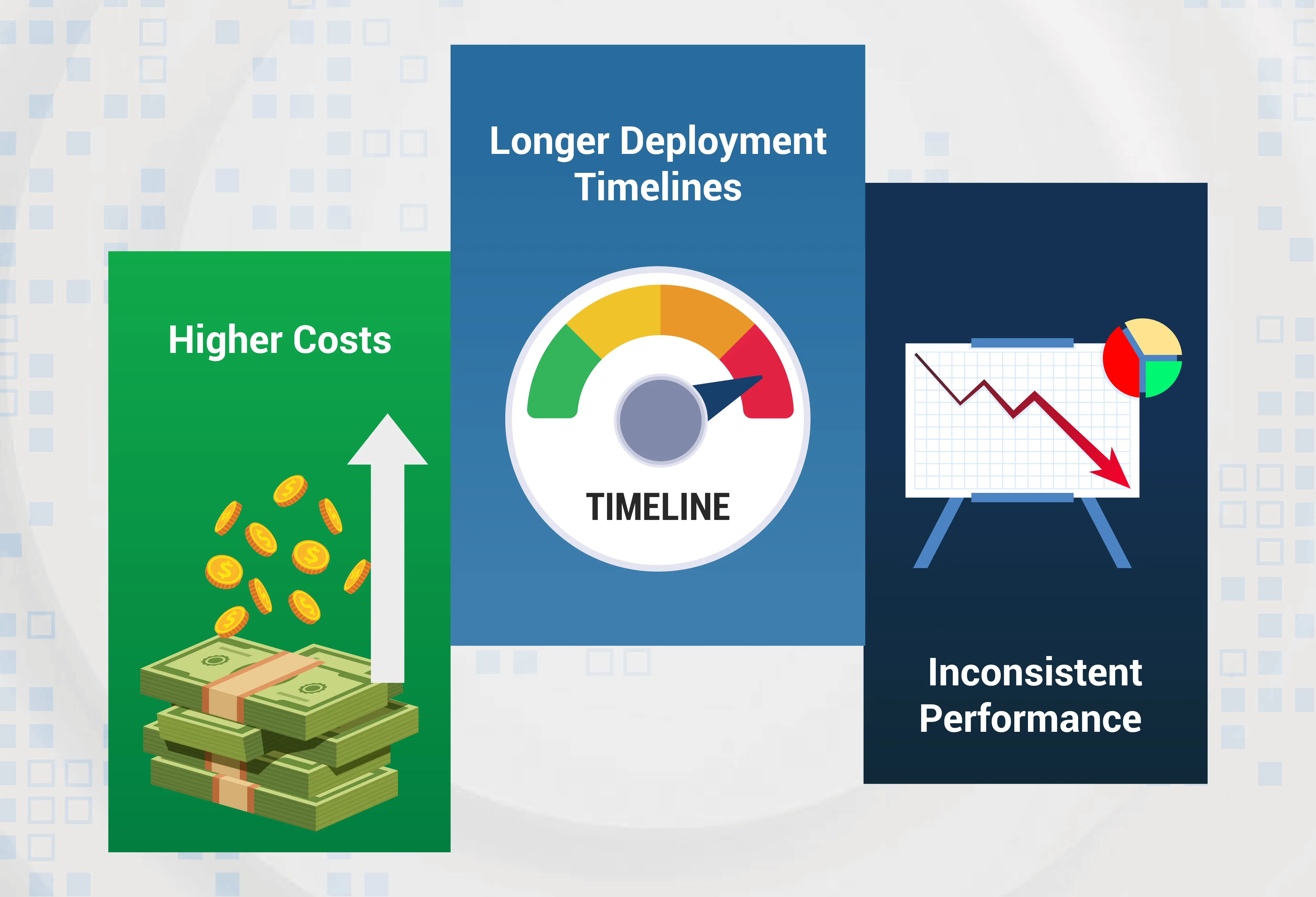
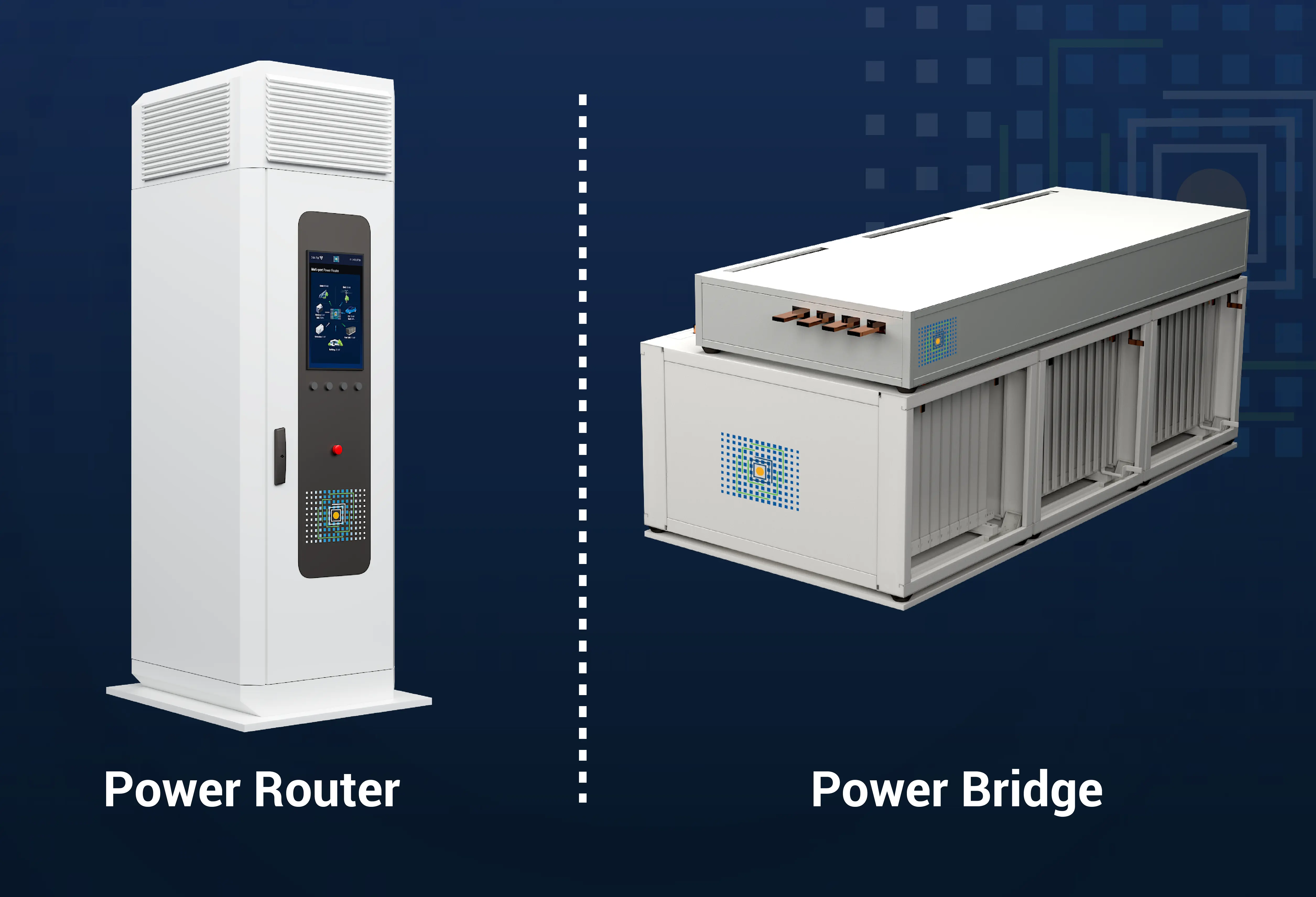
Electrification offers tremendous benefits for enterprise customers—lower energy costs, increased resilience, and major progress toward sustainability goals. Whether you’re operating a retail footprint, a fleet network, or a global portfolio of industrial sites, integrating distributed energy resources (DERs) like solar, battery storage, and EV charging can unlock long-term value and operational efficiency while improving brand visibility. But for companies with hundreds or even thousands of sites, the path to electrification is anything but simple. Every location has its own constraints: different utility interconnection timelines, real estate limitations, permitting requirements, and load profiles. This variability makes it extremely difficult to identify a single, repeatable approach to electrification—and that complexity results in higher costs, longer deployment timelines, and inconsistent performance across the portfolio. Electrification at scale shouldn’t require bespoke engineering for every single site. It needs a new model—one built for repeatability, speed, and global standardization. The Case for Standardization in Enterprise Power Infrastructure For enterprise operators, repeatability is the cornerstone of scale. In retail, logistics, and manufacturing, companies have spent decades optimizing deployment with standardized building systems, control software, and operational procedures. But when it comes to power infrastructure—especially for new electrification use cases—many are still forced to reinvent the wheel at every location. This leads to massive inefficiencies: · Cost overruns from site-specific engineering · Delays caused by non-uniform permitting, procurement, and construction · Performance variability that complicates operations and maintenance To electrify at scale, enterprises need power infrastructure that behaves like a product—not a project. How DG Matrix Enables Global, Scalable Electrification At DG Matrix, we’ve built a solution that does just that. Our Power Router platform is a standardized hardware and software solution designed to integrate multiple energy sources and loads—all in one compact, modular system. This enables a cookie-cutter deployment model across hundreds or thousands of sites. Whether the location is in Texas, Tokyo, or Toronto, the core power infrastructure remains the same—pre-configured, plug-and-play, and ready to scale. Here’s how it works: · One platform for many sources and loads : Grid, solar, battery, generators, building power, and EV charging—all managed by one device. · Modular design : Easily sized and replicated for small sites or large ones. · High efficiency and power density : Supports deployments even in space-constrained environments. · Faster deployment and commissioning : No site-specific redesigns or lengthy integration work required. In short: we turn every site from a custom project into a repeatable rollout, taking a portfolio-wide approach to make seamless scalability a reality. Why It Matters Now As more companies commit to decarbonization and electrification, the ability to deploy energy infrastructure quickly and consistently will be a competitive advantage. Enterprises that rely on traditional, bespoke project models will fall behind—slowed by cost, time, and complexity. Standardization is the key to unlocking scale, and DG Matrix is making that possible.
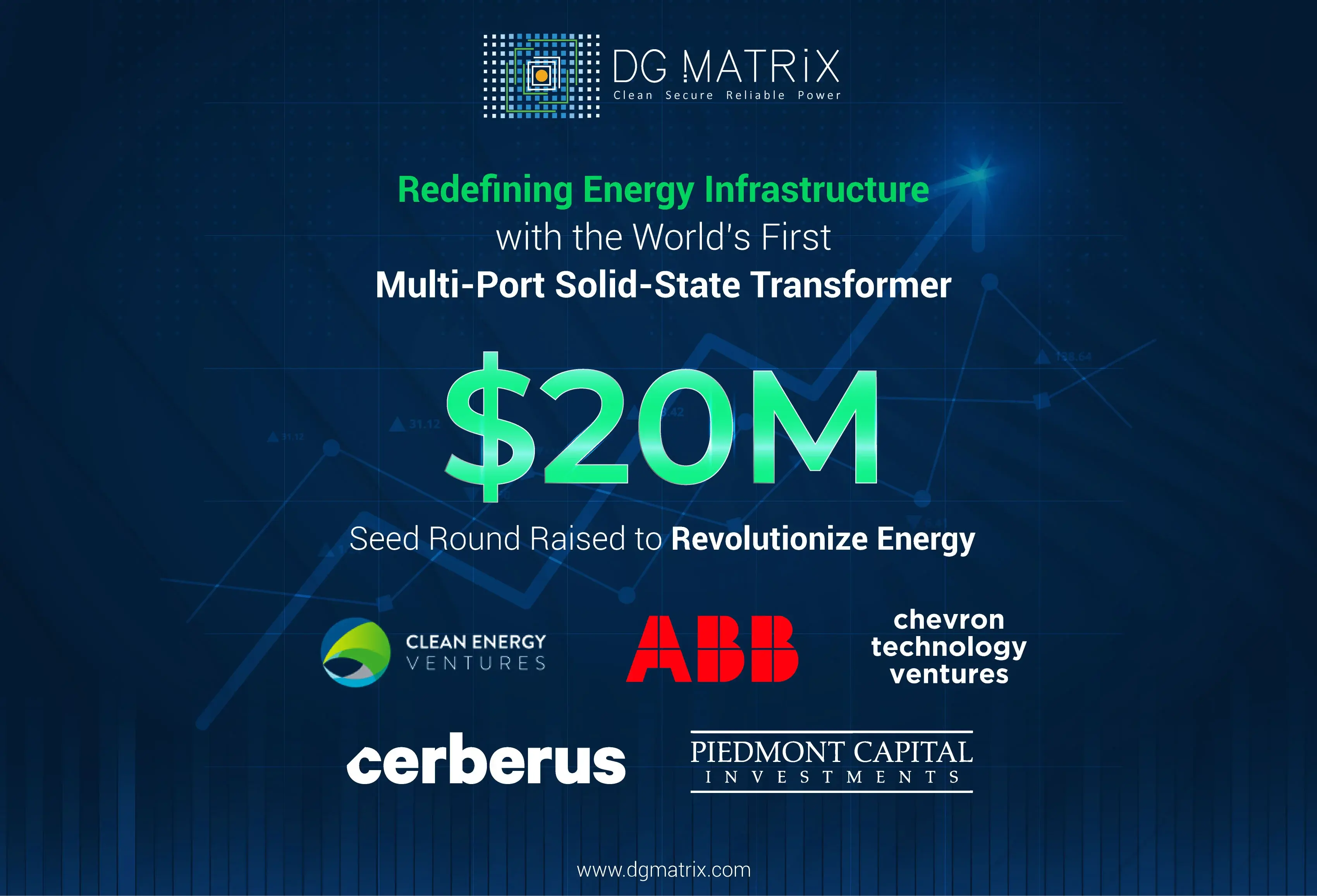
Oversubscribed seed round includes participation from climatetech VCs and strategics to accelerate AI data center optimization and enhance decarbonization Raleigh, NC, March 11, 2025 - DG Matrix , the developer of the revolutionary Power Router platform, secured $20 million in an oversubscribed seed funding round to accelerate the commercialization of its solid-state transformer solutions for the electrification of industry and AI-driven data center markets. The funding round was led by Clean Energy Ventures with participation from industry leaders ABB ; Cerberus Ventures, the venture investing platform of Cerberus Capital Management ; Chevron Technology Ventures ; and Piedmont Capital . The round, combined with earlier non-dilutive funding, brings DG Matrix’s total funding to nearly $30 million. As global electricity demand surges, legacy infrastructure solutions are struggling to support the needs of AI data centers, building electrification, and electric vehicle charging. The DG Matrix Power Router platform delivers flexible, reliable solutions to enhance energy performance while alleviating grid constraints and reducing energy costs. Integrating multiple AC and DC energy sources and loads simultaneously enables the DG Matrix solution to replace 10-20 electrical systems with a more versatile, efficient, cost-effective, and reliable system. “The unprecedented amount of electricity demand by AI and broader electrification is expected to further strain the grid and jeopardize grid reliability. Commercial markets are requiring a standardized, efficient solution to manage their complex electricity configurations in a cost-effective manner,” said Daniel Goldman, Co-founder and Managing Partner at Clean Energy Ventures. “We believe DG Matrix’s industry-agnostic solid-state transformer solutions will be paramount in alleviating grid pressure globally, enabling the U.S. to establish pre-eminence in AI delivery, and accelerating the transition to a cost-competitive and decarbonized energy system.” “With our world-class team of business and technology leaders, highly differentiated technology, and a strong IP foundation, DG Matrix is positioned to bring unprecedented disruption to multiple multi-billion-dollar markets,” said DG Matrix CEO Haroon Inam. “By partnering with leading investors with a proven track record of driving commercial growth, we can accelerate deployment of our solutions to reshape energy infrastructure for a more resilient and sustainable future.” The company is engaged with top customers across multiple market segments and has a robust pipeline with tens of millions in purchase orders for 2025 and 2026. DG Matrix will begin paid pilot deployments in Q1 2025, with a full commercial launch anticipated in late Q2 2025. The new funding will support commercialization and team growth. Following the financing, Vlatko Vlatkovic, Clean Energy Ventures’ Venture Partner and former CTO of GE Power Conversion, will join the DG Matrix Board of Directors. About DG Matrix DG Matrix is redefining the electrification industry with revolutionary solid-state transformer solutions for AI data centers and for electrification, including microgrids and integrated fleet EV charging. The company’s core Power RouterTM solutions unlock seamless integration of multiple energy sources and loads simultaneously with a single power-electronics system that offers unparalleled versatility, cost, efficiency, performance, and size advantages. DG Matrix is backed by a team of experienced executives, leaders, engineers, and advisors who have successfully commercialized disruptive energy technologies for decades. Learn more at www.dgmatrix.com . About Clean Energy Ventures Clean Energy Ventures (CEV) advances global climate solutions by backing exceptional leadership teams and game-changing technologies as they transform into market leaders that can mitigate 2.5 gigatons of CO2e by 2050. The CEV team harnesses decades of energy and climate tech operational experience to actively accelerate the commercialization of our portfolio companies. Founded in 2017, CEV manages over $415 million in assets and has funded over 30 early-stage companies across North America, Europe, and Israel. For more information, visit cleanenergyventures.com .
For years, solid-state transformers (SSTs) have been seen as a game-changing technology—always “five years away” but never quite ready for deployment. The promise has been clear: compact, reduced weight, intelligent power systems that deliver higher efficiency, programmable control, and seamless integration of distributed energy. SSTs offer a smart, standardized hardware platform that enables software-like configurability for global deployments in any market. Until now, technical limitations, high component costs, and uncertain market signals kept SSTs in the realm of research and pilot projects. That’s changed. And DG Matrix is the team bringing SSTs to commercialization. Here’s why the timing, technology, and customer value have finally aligned—and why solid-state transformers are ready to reshape the energy landscape. 1.Market Timing: Infrastructure Under Pressure The world’s energy demands are surging, and traditional infrastructure can’t keep up. From AI datacenters demanding gigawatts of power to the electrification of fleets, buildings, and industrial sites, the grid doesn't have the flexibility to deliver in the required timeframe. These trends aren’t speculative; these trends are happening now and accelerating. Legacy infrastructure solutions are too slow, too bulky, and too inflexible to meet the demands of today’s energy transition. Utilities and enterprises alike are looking for solutions that can deploy faster, operate more efficiently, and scale globally. SSTs, once seen as a next-decade technology, are now a this-decade necessity enabling a plug-and-play micro-utility that can be co-located with load centers. And the market is finally ready. 2.Technology Advancements: Silicon Carbide and Beyond Until recently, the components needed for SSTs—like wide-bandgap semiconductors—were too expensive or underdeveloped for commercial use. That’s no longer the case. Silicon carbide (SiC) has transformed what’s possible in power electronics, enabling higher efficiency, higher switching frequencies, and greater power density in compact designs. Combined with advancements in thermal management, digital control systems, and modular packaging, SSTs can now meet the performance and reliability standards required by mission-critical customers. These aren’t just lab wins—they’re production-ready technologies that enable smarter, smaller, and more scalable power platforms. 3.Multi-Port SSTs: More Complexity, More Value Conventional SSTs have historically been single-input, single-output devices—fine for niche applications, but not transformative and limited in the value delivered to the customer. What unlocks true value is a system that can simultaneously manage multiple AC and DC sources and loads, including the grid and renewables, enable dynamic power sharing, and consolidate what used to be 10-20+ discrete components into one programmable platform. DG Matrix is pioneering the ultimate version of the solid-state transformer: the multi-port solid-state transformer, fundamentally changing the game by delivering unprecedented value to the customer. By building the world’s first multi-port solid-state transformer, DG Matrix delivers not just efficiency and power density—but flexibility, simplicity, and significant cost savings with a plug-and-play solution for global applications in AI datacenters and electrification. Better economics. Better outcomes for customers. Better tech. The Time Is Now The convergence of market urgency, component readiness, and a productized platform makes this the decade for SSTs. The vision for SSTs is much broader than hardware; it’s for an app-store-like ecosystem where the hardware provides a foundation for the deployment of near-limitless software capabilities. Think: the iPhone for electrification. With the world’s largest SST engineering team, deep partnerships with global players, and early deployments already underway, we’re setting the standard for what power infrastructure will look like in the age of electrification and AI. The energy future is modular, intelligent, and built on solid-state foundations. DG Matrix is making it real.

As the world rapidly electrifies, businesses are contending with systems that present new opportunities as well as challenges. However, a less-obvious challenge is undermining their efficiency and effectiveness: energy losses. Often overlooked, these losses carry significant hidden costs that impact operations, economics, and sustainability. Understanding and addressing energy losses is crucial for delivering on the promise of clean, reliable, and efficient energy.
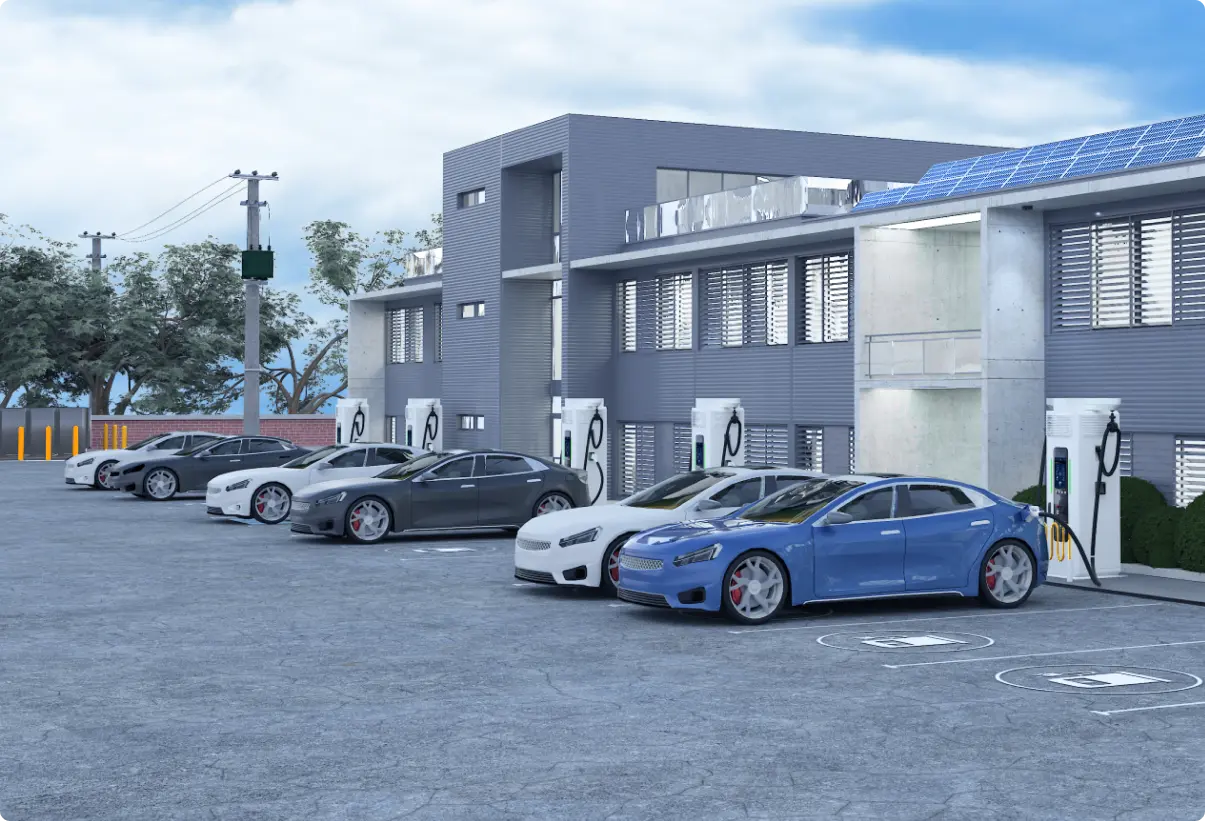
As the world transitions to electric vehicles (EVs), the rise of autonomous vehicles (AVs) presents new challenges and opportunities for EV charging infrastructure. At the intersection of electrification and autonomy lies a crucial theme: maximum uptime. Unlike traditional vehicles with human drivers who require breaks, AVs can operate continuously, limited only by battery capacity and charging infrastructure. To fully realize the potential of autonomous fleets, charging solutions must evolve to meet their unique requirements. Higher-power Charging: Autonomous fleets require higher-power charging solutions to ensure maximum uptime. Because these vehicles operate continuously without driver constraints, minimizing downtime is critical to maintaining fleet efficiency. High-power DC charging capable of delivering 150-200 kW or more enables AVs to recharge rapidly, allowing them to return to operation quickly. This is especially important for applications like logistics and ride-hailing, where time spent idle directly impacts profitability and service quality Ultra-high Utilization Rates: Chargers must also be designed for high reliability and operate without cooldown requirements. Unlike conventional chargers, which may require downtime for cooling after extended use, chargers for AV fleets must function continuously under heavy utilization. Fleet operators depend on infrastructure that can handle consistent, high-power demands without interruption. Any downtime due to charger failures or inefficiencies can lead to cascading delays and disrupt operations across the entire fleet. Flexibility and Efficiency with Dynamic Power Sharing: Flexibility in charging is another critical requirement for autonomous vehicles, which often operate with varying schedules, routes, and energy demands. Charging systems must offer dynamic power sharing, which allows a single unit to distribute power efficiently across multiple vehicles based on need. This ensures that charging infrastructure is utilized to its maximum potential, reducing costs and improving operational flexibility. For example, during peak periods, chargers can prioritize vehicles with urgent energy needs, while slower periods can accommodate less time-sensitive charging. Small Footprint for Urban Areas: Finally, a small deployment footprint is essential for charging infrastructure, particularly in urban environments where space is at a premium. Autonomous fleets, such as ride-hailing vehicles and delivery vans, often operate in dense urban areas where real estate for charging stations is limited. Compact infrastructure solutions enable charging to be deployed in tight spaces without sacrificing performance, making it easier to scale charging networks in cities. Conclusion Autonomous vehicles represent the next frontier in mobility, and their charging needs will redefine the EV infrastructure landscape. To support their unique operational requirements, charging systems must prioritize high power, high uptime, flexibility, and compact design. DG Matrix is actively partnering with autonomous vehicle fleets to address these challenges, offering tailored solutions that solve the most pressing problems in electrification. Together, we’re enabling the continuous, efficient, and sustainable operation of autonomous fleets.

Electrification is transforming the way we power the world, driven by advancements in technology, shifts in policy, and growing demand across industries. As we move into 2025, several key trends are set to shape the trajectory of electrification, from innovations in battery technology to the expansion of distributed energy generation, and even policy changes that will help us deploy faster. These trends are interconnected, amplifying their collective impact and creating opportunities for businesses to lead the charge in enabling sustainable, reliable energy systems.
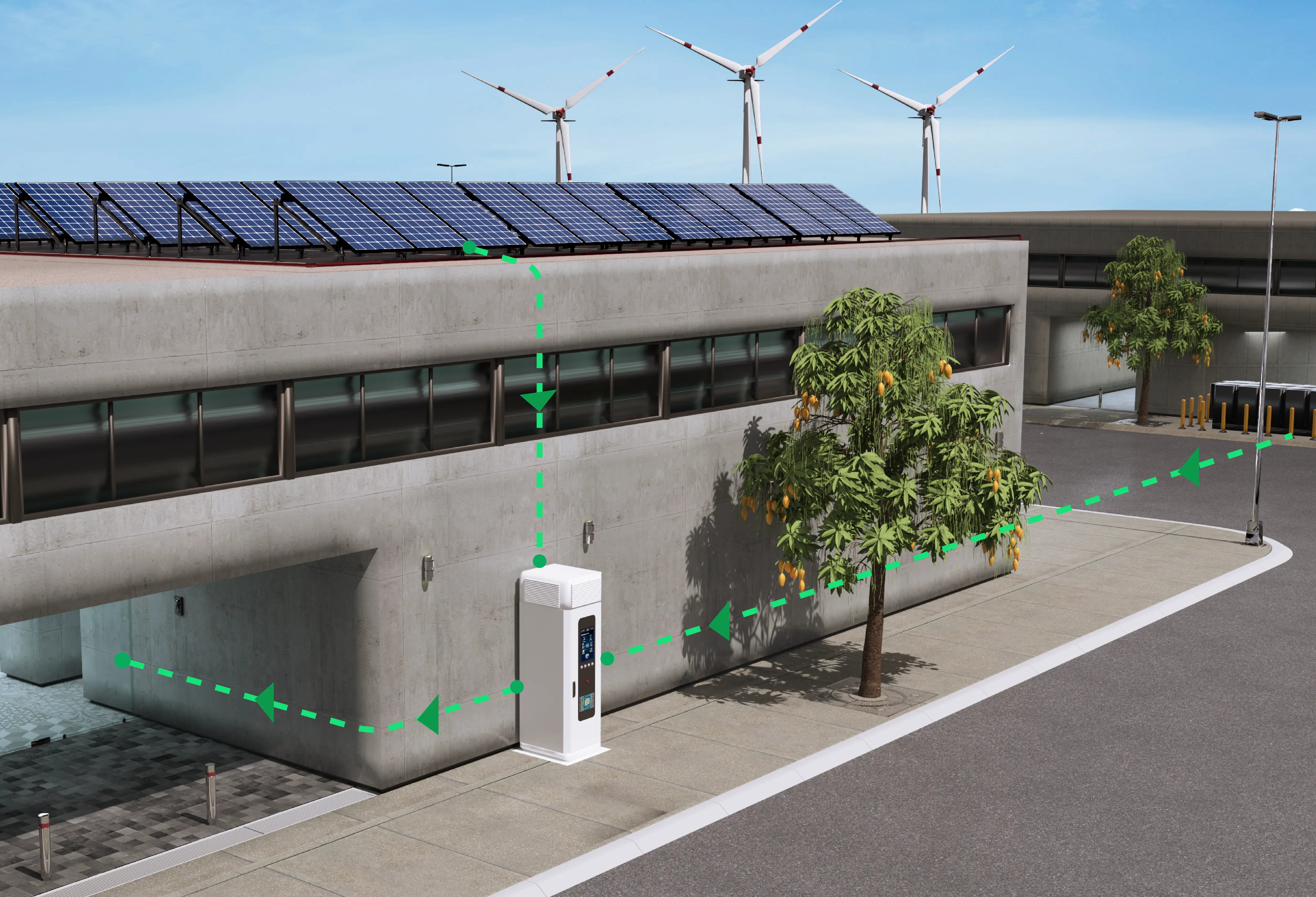
In an increasingly interconnected world, the need for flexible and reliable power has never been more crucial. Traditionally, microgrids have been seen as specialized backup systems—localized energy grids that could operate independently when the main grid experienced outages. However, as grid constraints and utility bills rise, microgrids are now stepping into a new role as not just a backup solution but a core backbone of energy systems. This transformation is driven by several key factors: lower utility bills, increased power without the need for a costly grid upgrade, decarbonization with renewable energy, and greater energy resiliency. This article explores these reasons in-depth and highlights why microgrids are becoming the new standard for power reliability.
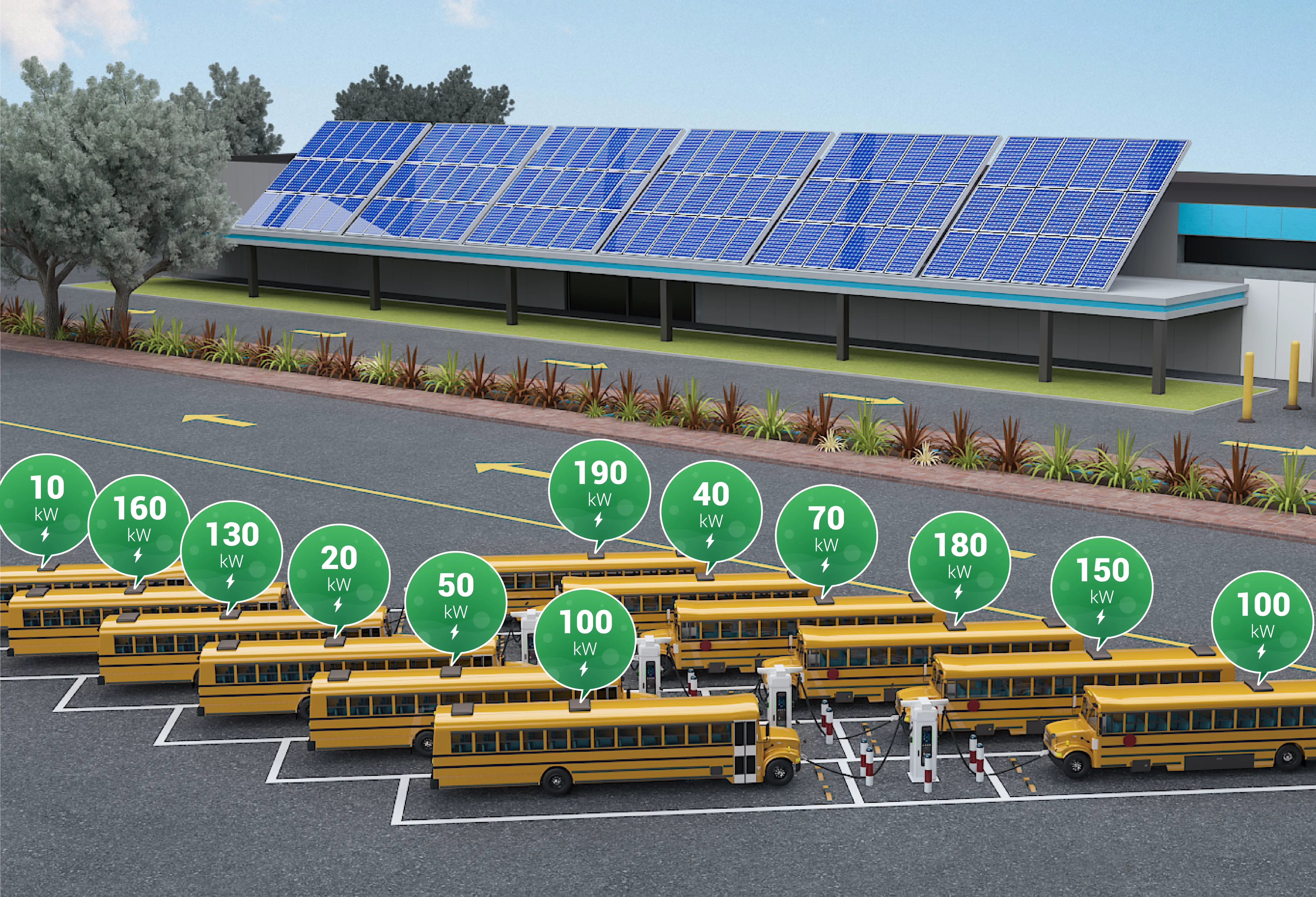
The electrification of school buses presents a powerful opportunity to reduce emissions, improve children’s health, and lower long-term costs for school districts. School buses are particularly well-suited for electrification due to their predictable routes and the ability to charge during off-peak hours. However, achieving scalability requires overcoming several significant challenges, including grid constraints, high initial costs, complex charging and power management, and the lack of standardized solutions. Addressing these barriers necessitates innovative, adaptable approaches that enable school districts to transition seamlessly to electric fleets.
Get the latest news, event invitations, and exclusive insights delivered directly to your inbox.
For press releases, interviews, media kits, or collaboration opportunities, our communications team is here to help.